

Reasons why peanut butter might be a healthy choice:
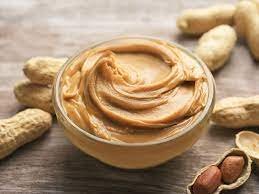
Peanut butter is a smooth spread made from roasted peanuts. It is delicious and can be used to spread it on a toast, use as a dip for smoothies or even add to smoothies.
Here are some of the reasons why peanut butter could be a healthy option:
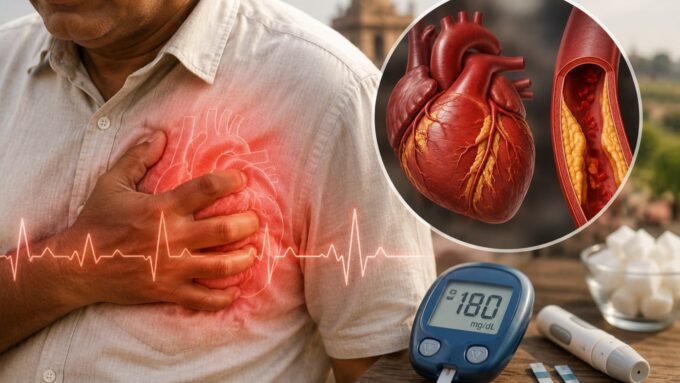
- Blood sugar control – Peanut butter is a good choice for people with diabetes or those trying to control their blood sugar levels because of its high fibre and protein content, which can help stabilize blood sugar levels.
- Rich in nutrients – One good plant-based protein source is peanut butter. Approximately 7-8 grams of protein are present in a serving of two tablespoons of peanut butter. Protein is essential for the construction and repair of all tissues, including muscles, skin, and organs. For those who are physically active or aiming to gain muscle mass, should include foods high in protein, such as peanut butter, in their diet which can help in maintaining their muscle health.
- Minerals and vitamins- Peanut butter is a good source of minerals and vitamins that are essential for good health. It has a good amount of vitamin E, an antioxidant that helps protect cells from harm brought on by free radicals. Furthermore, peanut butter contains magnesium, potassium, and B vitamins like niacin (vitamin B3) and folate (vitamin B9), which are important for metabolism, nerve function, and energy production.
- Gut Health- Peanut butter’s high fibre content feeds with good gut bacteria and encourages regular bowel movements, all of this supports digestive health.
- Bone Health– Necessary minerals like potassium and magnesium are found in peanut butter which are required for strong bones and may help lower the risk of osteoporosis.
- Antioxidants- Resveratrol, p-coumaric acid, and other polyphenols are among the several antioxidants found in peanuts, the primary ingredient in peanut butter. Due to their anti-inflammatory qualities, these antioxidants may help lower the chance of developing chronic illnesses like heart disease and some types of cancer. Antioxidant levels, however, might depend on various factors, including peanut type and processing techniques.
When eaten in moderate amount, peanut butter can be a nutritious choice for your diet. It is a good source of minerals, vitamins, healthy fats, and protein. Portion control is necessary because it has a lot of calories. For the healthiest option, try to consume natural peanut butter without added sugars or hydrogenated oils.













Leave a comment