Home Exclusive Section Is India Prepared for the Next Nipah Outbreak? Experts Weigh In | EXCLUSIVE
Exclusive SectionExperts OpinionHealth News

Is India Prepared for the Next Nipah Outbreak? Experts Weigh In | EXCLUSIVE

Share
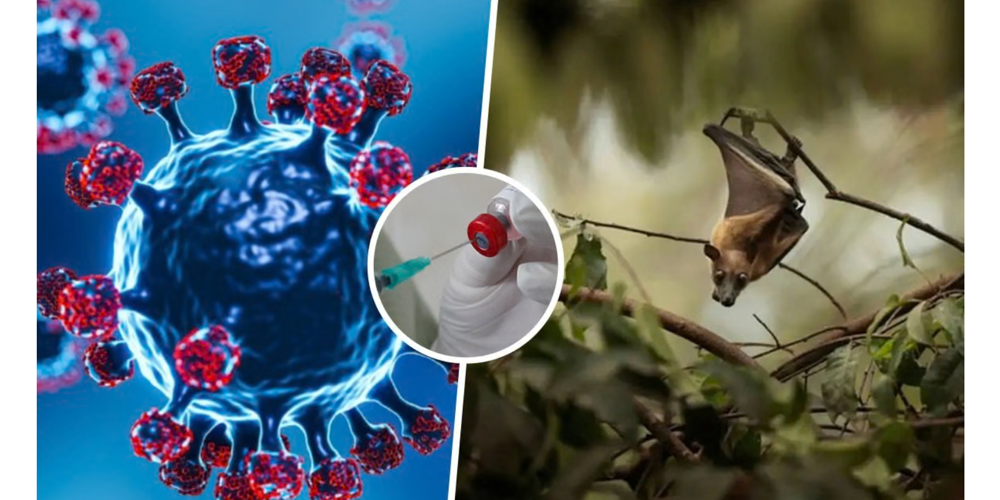
The Nipah virus is considered one of the deadliest zoonotic infections globally, not because it spreads rapidly like influenza or COVID-19, but because of its extremely high fatality rate, rapid progression, and severe brain involvement. Medical experts warn that once symptoms escalate, the disease can turn fatal within days. According to available data, the case fatality rate of Nipah virus ranges between 50 and 75 per cent, placing it among the most lethal viral infections known to humans. In this explainer, Dr Dip Narayan Mukherjee, Consultant – Microbiology and Infectious Diseases, CK Birla Hospitals, CMRI, sheds light on why the virus is so dangerous and difficult to control. Why Is the Nipah Virus So Deadly? According to Dr Mukherjee, Nipah’s lethality lies in a combination of delayed symptom recognition, aggressive disease progression, and early involvement of the brain. “Nipah virus often begins with very non-specific symptoms, which makes early detection difficult. By the time it is clinically suspected, the virus may have already affected the brain,” he explains. Early Symptoms Often Go Unnoticed One of the biggest challenges in controlling Nipah virus is that its initial symptoms closely resemble common viral illnesses, leading to delays in diagnosis and isolation. Early symptoms include: Fever Headache Cough Muscle pain General weakness “These symptoms are easily mistaken for flu, viral fever, or respiratory infections,” says Dr Mukherjee. “This delay gives the virus time to progress silently.” Severe Brain Infection Drives High Mortality The most dangerous aspect of Nipah virus infection is its neurological involvement. The virus frequently causes encephalitis, or inflammation of the brain, which significantly increases the risk of death. Neurological symptoms may include: Seizures Confusion and altered consciousness Extreme drowsiness Coma “Once the central nervous system is involved, the disease becomes very difficult to manage,” Dr Mukherjee notes. “At this stage, treatment is largely supportive because there is no specific antiviral therapy available.” This lack of targeted treatment options makes early detection critical. Human-to-Human Transmission Raises Risk While Nipah virus is primarily transmitted from fruit bats, it can also spread from person to person, particularly in healthcare settings. Dr Mukherjee points out that: Caregivers and healthcare workers are at higher risk Exposure to high viral loads can worsen outcomes Inadequate infection control increases transmission risk “Strict adherence to infection control practices is essential. Even a small lapse can result in secondary infections,” he says. Zoonotic Nature Makes Exposure Hard to Predict Nipah virus is transmitted from fruit bats, either directly or through intermediate hosts such as pigs. This zoonotic pattern makes outbreaks unpredictable, especially in regions where humans, animals, and wildlife interact closely. Adding to the challenge: There is no approved vaccine Treatment options remain limited Isolation protocols must be strictly enforced What Can Reduce Nipah Fatalities? According to experts, early action remains the most effective defence against Nipah virus. Key measures include: Early isolation of suspected cases Strict use of personal protective equipment (PPE) Rapid escalation and referral to specialised centres Strong hospital infection control protocols “The earlier the virus is identified and contained, the better the chances of preventing severe disease and fatalities,” Dr Mukherjee emphasises. The Bottom Line Nipah virus continues to be a serious public health threat because of its high fatality rate, neurological complications, and lack of targeted treatment. Its ability to masquerade as a mild illness in the early stages makes vigilance crucial. Health experts stress that awareness, early suspicion, and strict infection control are currently the most powerful tools to reduce deaths linked to this deadly virus. As Dr Mukherjee concludes, “With Nipah, time is the most critical factor. Early recognition can save lives.”
Share

India has faced sporadic outbreaks of the Nipah virus over the past two decades, most notably in Kerala in 2001, 2018, and 2019. While each outbreak was successfully contained, the virus’s high fatality rate—ranging between 40% and 75%—continues to raise serious public health concerns. According to Dr. Dip Narayan Mukherjee, Consultant in Microbiology and Infectious Diseases at CK Birla Hospital, CMRI, India’s ability to manage future Nipah threats depends far more on preparedness and discipline than on reactive, panic-driven measures.

“Nipah is a highly lethal RNA virus, but it does not spread easily if early detection and infection control protocols are followed meticulously,” Dr. Mukherjee explains. “The key is not to underestimate early symptoms or delay isolation.”

Early Detection Remains the Cornerstone

One of the most important pillars of India’s preparedness, as highlighted by Dr. Mukherjee, is early detection. Nipah infection often begins with non-specific flu-like symptoms such as fever, headache, and body aches, which can easily be mistaken for common viral illnesses.

“What worries clinicians is not the virus itself, but the possibility of delayed diagnosis,” says Dr. Mukherjee. “Once neurological symptoms like confusion, altered sensorium, or seizures appear, the disease may already be advanced. That is why every unexplained respiratory illness must be treated as a suspected case until ruled out.”

Government-issued guidelines have clearly outlined protocols for identifying and managing suspected Nipah cases. Hospitals have been advised to isolate patients immediately upon suspicion, even before laboratory confirmation, a step that has proven critical in preventing secondary transmission.

Infection Control in Hospitals: A Non-Negotiable Measure

Human-to-human transmission of Nipah virus has been documented primarily in healthcare settings. According to Dr. Dip Narayan Mukherjee, this makes infection prevention and control (IPC) measures in hospitals absolutely non-negotiable.

“Strict use of personal protective equipment—including N95 masks, gloves, gowns, and face shields—must be followed whenever a suspected case is handled,” he notes. “Barrier nursing, asepsis, and controlled patient movement are essential to protect both healthcare workers and other patients.”

India’s hospitals have significantly strengthened IPC practices since earlier outbreaks, particularly in high-risk regions. Regular training, mock drills, and refresher sessions for healthcare staff ensure that protocols are followed even under pressure.

Role of Clinical Vigilance and Training

Clinical vigilance is another critical factor in preparedness. Dr. Mukherjee stresses that awareness must extend beyond tertiary care centres to primary and secondary healthcare facilities, where patients often present first.

“A doctor in a small clinic may be the first to see a Nipah patient,” he says. “If that clinician fails to recognise the warning signs or delays referral, the risk of transmission increases.”

Training healthcare workers to recognise early red flags—especially neurological symptoms associated with respiratory illness—is crucial. Timely sample collection and referral to designated laboratories allow for faster diagnosis and containment.

Laboratory and Surveillance Readiness

India’s laboratory network plays a central role in outbreak control. According to Dr. Mukherjee, the ability to safely test samples in high-containment laboratories ensures accurate diagnosis without exposing laboratory personnel.

“Laboratory confirmation helps guide public health action,” he explains. “Once a case is confirmed, contact tracing, quarantine, and surveillance can be implemented in a focused and effective manner.”

Surveillance systems that monitor clusters of unusual respiratory or neurological illness further strengthen preparedness. Integration of clinical, laboratory, and epidemiological data allows health authorities to respond swiftly.

Community Awareness and Public Health Response

Preparedness does not stop at hospital doors. Community awareness is equally important, particularly in regions where Nipah cases have been reported in the past. Dr. Mukherjee emphasises that educating the public helps prevent fear-driven behaviour and misinformation.

“People need to know how Nipah spreads and what precautions to take, without creating unnecessary panic,” he says. “Simple measures like avoiding consumption of fruits contaminated by bats and reporting symptoms early can make a significant difference.”

Rapid response teams trained in contact tracing and risk communication have proven effective in previous outbreaks, ensuring swift containment while maintaining public trust.

Learning From Past Outbreaks

India’s experience with earlier Nipah outbreaks has significantly shaped its preparedness framework. Dr. Mukherjee points out that Kerala’s success in containing outbreaks offers valuable lessons for the rest of the country.

“The reason outbreaks did not escalate into widespread transmission was disciplined isolation, strict infection control, and transparent communication,” he explains. “Preparedness is about consistency, not crisis management.”

Remaining Challenges and the Way Forward

Despite progress, challenges remain. According to Dr. Mukherjee, awareness can decline during long gaps between outbreaks, and infrastructure varies across regions.

“Nipah is rare, which makes it easy for vigilance to drop,” he warns. “Continuous training, adequate PPE stockpiles, and strong referral systems are essential to stay ready.”

The absence of a licensed vaccine or specific antiviral treatment further underscores the importance of prevention. Until medical countermeasures become available, early detection and isolation remain the most effective tools.

Protecting Healthcare Workers

Healthcare workers are at the frontline of any Nipah response. Dr. Mukherjee stresses that their protection must remain a priority.

“If healthcare workers are not safe, the system collapses,” he says. “Ensuring proper PPE, training, and psychological support is as important as treating patients.”

In conclusion, Dr. Dip Narayan Mukherjee believes that India is reasonably well-prepared to manage future Nipah outbreaks—provided protocols continue to be followed rigorously.

“Nipah is dangerous, but it is not uncontrollable,” he concludes. “With early detection, rapid isolation, and strict infection control, we can prevent widespread transmission. Preparedness, not panic, is our strongest defence.”


Share
Written by
Swapna Karmakar

Swapna Karmakar is an experienced Health Journalist and the Editorial Lead at Healthwire Media. She has a background in investigative reporting and a deep interest in community health and regulatory updates within the medical sector. Swapna focuses on bridging the gap between healthcare providers and patients by crafting narratives that simplify medical terminology without losing clinical depth. Her research process involves analyzing peer-reviewed journals and official regulatory notifications from bodies like the National Medical Commission (NMC) to provide timely news to both healthcare professionals and the general public. Swapna’s work is characterized by a commitment to transparency and evidence-based reporting. Outside of health reporting, she is an avid traveler and explorer of cultural landscapes. 

Don't Miss

Latest News

World Preeclampsia Day 2026: Why pregnant women with hypertension need consistent antenatal care

Maintaining a healthy blood pressure during pregnancy is extremely important because this is a crucial phase in a woman’s life. Preeclampsia is a...

Latest News

Excess Weight Gain During Pregnancy May Increase Allergy Risk In Children, Studies Warn

Numerous studies have indicated that prenatal weight gain could be affected on the chances of allergic diseases in later childhood. Researchers are now...

Latest News

Ebola Scare In India? Delhi IGI Airport Issues Health Alert For International Travellers

As concerns over the rapidly spreading Ebola outbreak continue to grow globally, authorities in India have stepped up surveillance measures at airports, particularly...

Heart Failure
Latest News

Heart failure warning signs: 5 early symptoms you should never ignore

Heart-related diseases are no longer limited to older adults. Along with the unhealthy lifestyle, stress levels, diabetes, hypertension, smoking and disturbances in the...

Latest News

Ebola Outbreak 2026: WHO Warns of Dangerous New Strain as Cases Rise Across Congo and Uganda

Just when the world believed the worst years of global viral outbreaks were finally over, one of the deadliest viruses in the world...

Section title

Related Articles
CardiologyHealth News

Heatwave and Heart Attack Risk: Why Extreme Summer Temperatures Can Be Dangerous for Your Heart

As temperatures continue to soar across many parts of India, doctors are...

Health NewsOncology

World Blood Cancer Day: The Silent Symptoms of Leukemia and Lymphoma People Often Miss

Blood cancers such as leukemia, lymphoma, and myeloma are often called “silent...

Dengue symptoms
Health News

World Dengue Day 2026: Why dengue is now a year-round threat in India

World Dengue Day 2026 comes at a critical time when dengue is...

Health News

Eating Eggs Regularly May Help Lower Alzheimer’s Risk, New Study Suggests

A new study suggests that eating eggs regularly may be linked to...