

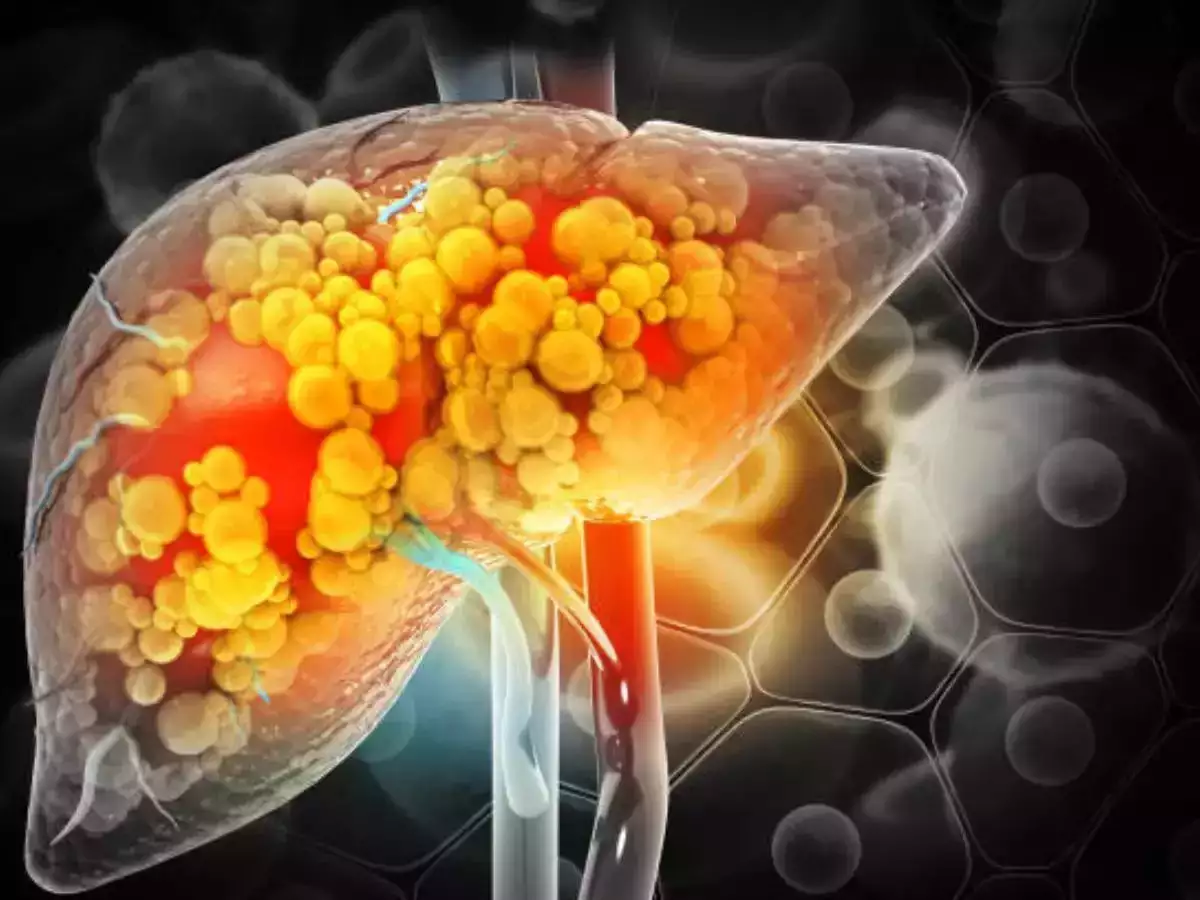
Fatty liver disease, medically known as hepatic steatosis, is becoming increasingly common worldwide. Often associated with obesity and type 2 diabetes, this condition occurs when excess fat builds up in the liver. While it might sound harmless, fatty liver disease can have serious implications for overall health if left untreated. The liver is a vital organ responsible for various functions, including detoxification, protein synthesis, and metabolism. When the liver is overwhelmed by fat, its ability to perform these tasks is compromised, leading to a cascade of health issues.
Understanding Fatty Liver Disease
There are two primary types of fatty liver disease: non-alcoholic fatty liver disease (NAFLD) and alcoholic fatty liver disease (AFLD). NAFLD is the most common and is not related to alcohol consumption. It is often linked to obesity, insulin resistance, and high cholesterol levels. AFLD, on the other hand, is directly related to heavy alcohol use.
Fatty liver disease can range from simple steatosis (fat accumulation) to non-alcoholic steatohepatitis (NASH), where inflammation and liver damage occur. NASH can progress to fibrosis, cirrhosis, and even liver cancer.
Impact on Liver Function
The liver is crucial for maintaining the body’s metabolic balance. When fatty liver disease progresses, it can lead to liver inflammation and scarring (fibrosis), which impairs the liver’s ability to function effectively. This dysfunction can result in:
- Detoxification Issues: The liver’s role in detoxifying the blood becomes compromised, allowing toxins to build up in the body. This can lead to symptoms like fatigue, confusion, and even hepatic encephalopathy in severe cases.
- Impaired Protein Synthesis: The liver produces essential proteins like albumin and clotting factors. A damaged liver may produce fewer of these proteins, leading to complications such as bleeding disorders and swelling in the abdomen and legs (ascites).
- Metabolic Disruption: The liver plays a key role in glucose metabolism and fat storage. Fatty liver disease can lead to insulin resistance, worsening conditions like type 2 diabetes and metabolic syndrome.
Cardiovascular Risks
Fatty liver disease is not confined to the liver alone; it has far-reaching effects on cardiovascular health. Individuals with fatty liver disease are at a higher risk of developing cardiovascular diseases, including:
- Atherosclerosis: The buildup of fat in the liver is often accompanied by fat deposits in the blood vessels, leading to atherosclerosis (hardening of the arteries). This increases the risk of heart attacks and strokes.
- Hypertension: Fatty liver disease is associated with increased blood pressure, further heightening the risk of heart disease.
- Dyslipidemia: Abnormal levels of cholesterol and triglycerides are common in those with fatty liver disease, contributing to cardiovascular complications.
Other Health Implications
Beyond liver and heart health, fatty liver disease can also impact other areas of the body:
- Kidney Function: Studies suggest that fatty liver disease may increase the risk of chronic kidney disease, as the conditions often share common risk factors like hypertension and diabetes.
- Sleep Apnea: There is a strong correlation between fatty liver disease and obstructive sleep apnea, a condition that disrupts breathing during sleep and can lead to other health issues.
- Hormonal Imbalances: The liver is involved in hormone metabolism. Damage to the liver can lead to imbalances, affecting everything from energy levels to reproductive health.
Prevention and Management
The good news is that fatty liver disease is often reversible in its early stages. Lifestyle changes are the cornerstone of prevention and management. These include:
- Healthy Diet: Reducing the intake of saturated fats, refined sugars, and processed foods can help lower fat accumulation in the liver. A diet rich in fruits, vegetables, whole grains, and lean proteins is beneficial.
- Regular Exercise: Physical activity helps reduce liver fat, improve insulin sensitivity, and promote weight loss. Aim for at least 150 minutes of moderate exercise per week.
- Weight Management: Maintaining a healthy weight is crucial for preventing and managing fatty liver disease. Even a modest weight loss of 5-10% can significantly reduce liver fat.
- Medical Monitoring: Regular check-ups with a healthcare provider can help monitor liver health and catch any complications early.
Fatty liver disease may be a silent condition, but its impact on overall health is profound. Early detection and lifestyle changes are key to preventing the progression to more severe liver diseases and associated health complications. If you suspect you might be at risk, consult with a healthcare provider to take proactive steps toward protecting your liver and overall health.















Leave a comment