Hypertension, commonly known as high blood pressure, is a major health concern in India, affecting nearly one in four adults. Often called the “silent killer,” it can develop without noticeable symptoms, yet significantly increases the risk of heart attacks, strokes, kidney disease, and other serious health complications. Awareness of subtle warning signs and timely monitoring is critical for early detection and management.
Understanding Hypertension
Hypertension occurs when the force of blood against the artery walls remains consistently high. Over time, this increased pressure can damage blood vessels, the heart, and vital organs. Risk factors include age, genetics, obesity, sedentary lifestyle, high salt intake, excessive alcohol consumption, stress, and underlying medical conditions such as diabetes.
Early Warning Signs to Watch For
Although many people with hypertension remain asymptomatic for years, some may experience subtle signs that should not be ignored:
- Persistent headaches: Especially at the back of the head or in the morning.
- Dizziness or lightheadedness: Feeling faint can indicate elevated blood pressure.
- Shortness of breath: Difficulty breathing during routine activities may signal strain on the heart.
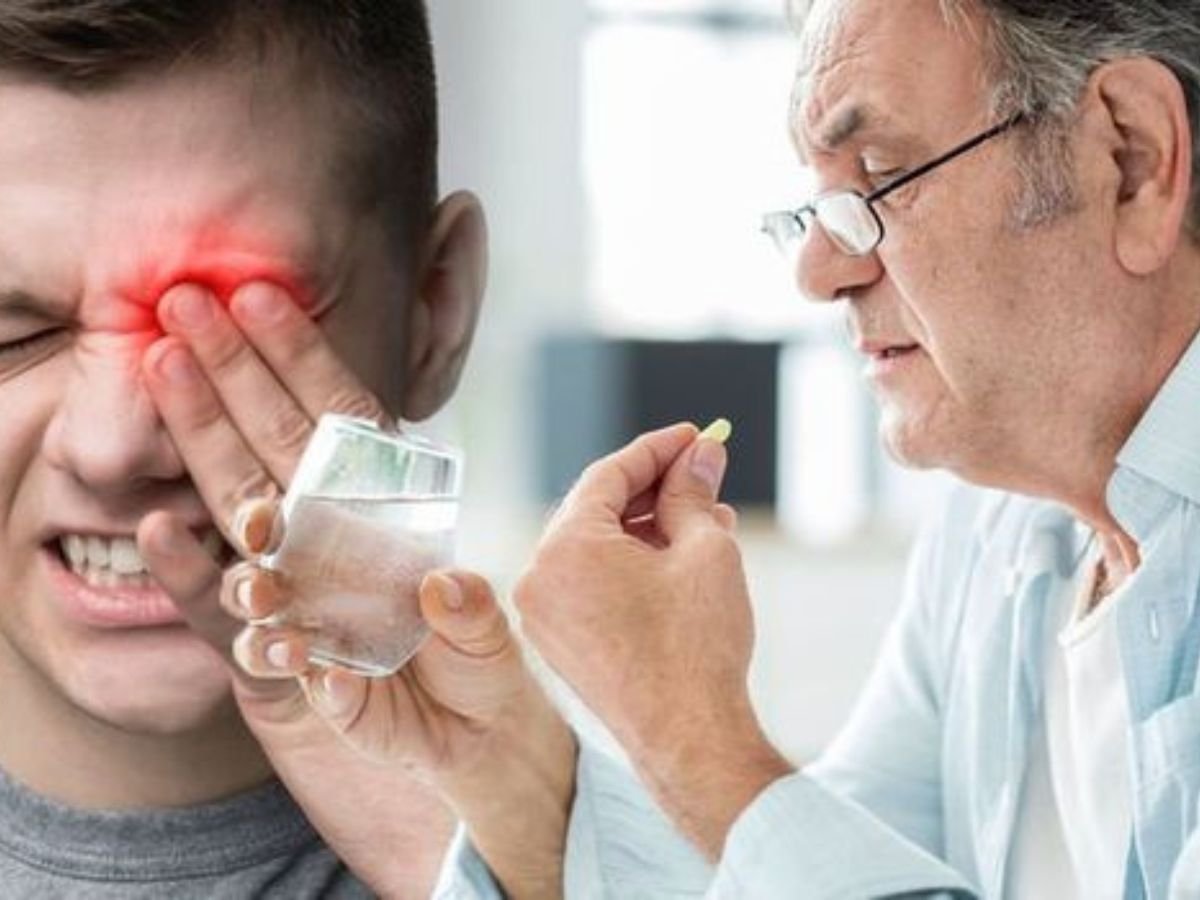
- Blurred vision or eye problems: High blood pressure can damage blood vessels in the eyes.
- Nosebleeds: Frequent or unexplained nosebleeds can sometimes be a warning.
- Chest discomfort or palpitations: Irregular heartbeat or pressure in the chest may occur in advanced cases.
- Fatigue or confusion: Feeling unusually tired or mentally foggy may indicate elevated pressure affecting the brain.
Recognizing these signs early and consulting a healthcare professional can prevent complications.
Lifestyle Factors That Contribute
Several lifestyle habits prevalent in India increase hypertension risk:
- High salt consumption: Traditional diets, processed foods, and restaurant meals often contain excess sodium.
- Sedentary lifestyle: Urban living and long work hours reduce physical activity.
- Unhealthy diet: Diets high in refined carbs, fried foods, and sugar contribute to weight gain and high blood pressure.
- Stress: Chronic stress elevates cortisol, which can raise blood pressure over time.
- Excess alcohol and tobacco: Both increase cardiovascular strain.
Addressing these factors can help prevent or control hypertension.
Preventive Measures
Preventing hypertension involves lifestyle modifications and regular monitoring:
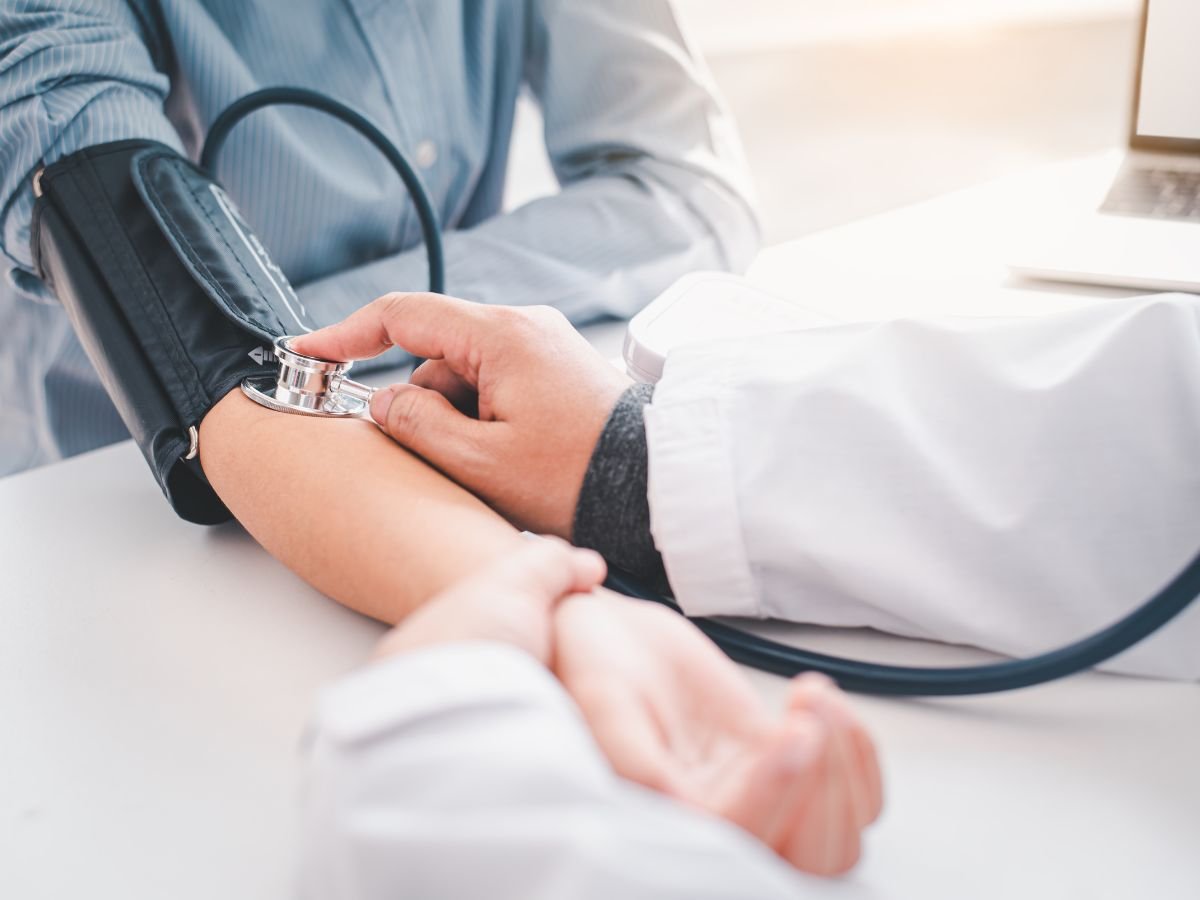
- Regular blood pressure checks: Even if asymptomatic, adults should check BP at least once every six months.
- Healthy diet: Focus on fruits, vegetables, whole grains, lean proteins, and limit salt intake to under 5 grams per day.
- Exercise: Aim for at least 150 minutes of moderate-intensity physical activity weekly.
- Weight management: Maintaining a healthy body weight reduces strain on the heart and arteries.
- Stress management: Techniques such as meditation, yoga, deep breathing, and mindfulness can help.
- Limit alcohol and avoid smoking: Both are major contributors to high blood pressure.
Early preventive measures are more effective and less costly than treating complications later.
Medical Management
When lifestyle modifications are insufficient, doctors may prescribe antihypertensive medications to control blood pressure. These may include diuretics, ACE inhibitors, beta-blockers, or calcium channel blockers, depending on individual needs. Regular follow-ups and adherence to treatment plans are crucial to prevent organ damage and cardiovascular events.
The Importance of Awareness
Hypertension often goes undetected because it can remain symptom-free for years. Public awareness campaigns, routine check-ups, and education about silent signs are vital to reduce the growing burden of cardiovascular disease in India. Early detection, combined with lifestyle changes and medical management, can prevent severe complications and save lives.
Hypertension is a silent yet deadly health threat in India. Recognizing subtle warning signs, monitoring blood pressure regularly, and adopting a healthy lifestyle are essential for prevention and management. By staying vigilant and proactive, individuals can protect their heart, kidneys, and overall health, reducing the risk of life-threatening complications.