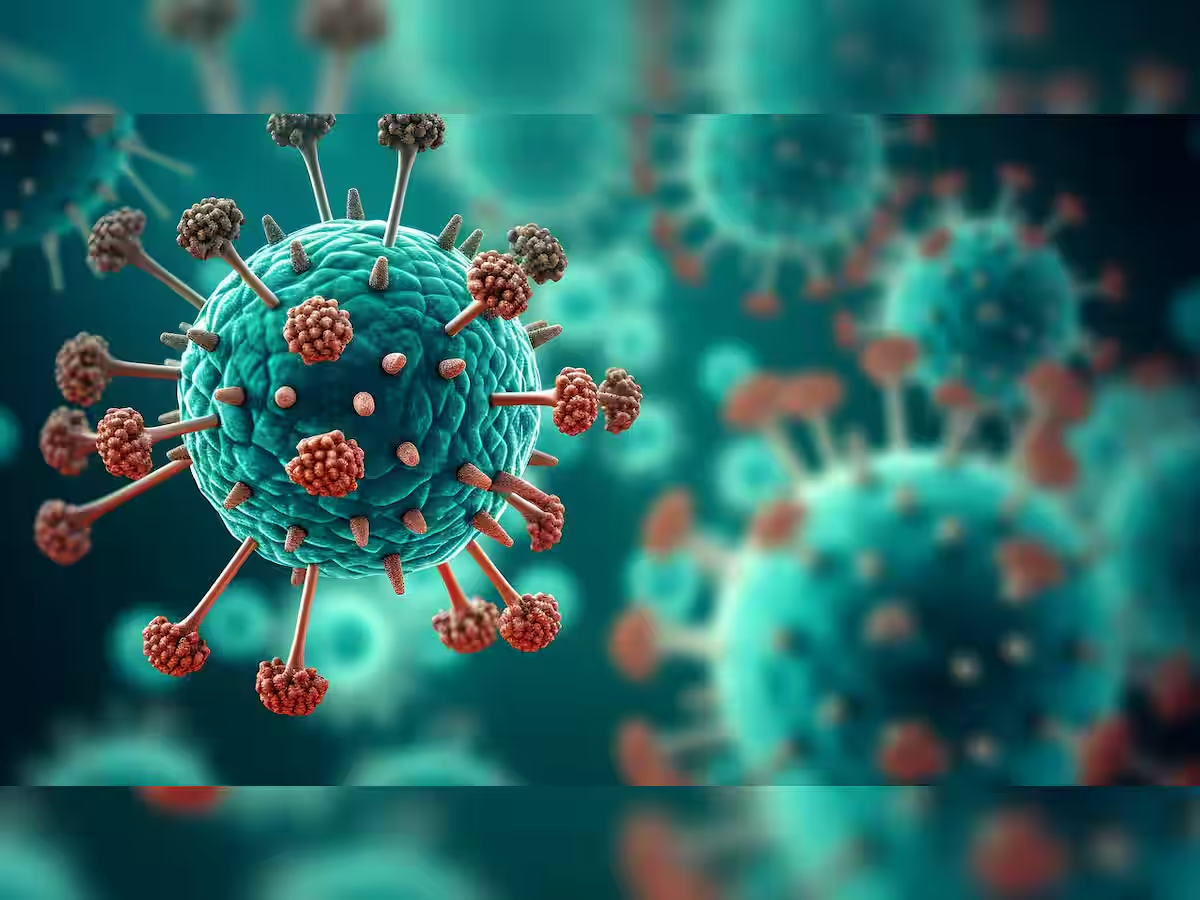
Health experts are closely monitoring the early detection of the H3N2 Subclade K influenza variant, which has surfaced sooner than typically expected in the flu calendar. While influenza activity usually intensifies during peak winter months, the premature appearance of this strain has raised important questions about transmission trends, symptom severity, and preparedness for the upcoming flu season.
What Is H3N2 Subclade K?
Influenza A (H3N2) is a well-known flu subtype associated with more severe illness, especially among older adults, young children, pregnant women, and people with underlying health conditions. Subclade K is a genetic offshoot of the H3N2 virus, identified through genomic surveillance that tracks how flu viruses evolve over time.
Viruses like influenza constantly mutate. These small genetic changes, known as antigenic drift, can make certain subclades more transmissible or allow them to partially evade existing immunity from past infections or vaccinations.
Why Is Early Detection Significant?
The detection of H3N2 Subclade K earlier than the usual flu season window is noteworthy for several reasons:
- Early community transmission: It may indicate that the virus has begun circulating at low levels well before the expected seasonal surge.
- Higher caseload risk: Early circulation can potentially extend the flu season, increasing the overall number of infections.
- Healthcare preparedness: Hospitals and clinics may need to brace for an earlier influx of flu patients, especially if cases rise alongside other respiratory infections.
- Vaccination strategy: Early signals help public health authorities assess whether current flu vaccines are well-matched to circulating strains.
Are Symptoms Different With This Variant?
So far, experts suggest that symptoms linked to H3N2 Subclade K are broadly similar to those seen with other H3N2 infections. These may include:
- High fever and chills
- Persistent cough and sore throat
- Body aches and extreme fatigue
- Headache and nasal congestion
However, H3N2 strains are historically associated with a higher risk of complications such as pneumonia, bronchitis, and worsening of chronic conditions like asthma, heart disease, and diabetes.
Who Is Most at Risk?
As with other H3N2 variants, certain groups remain more vulnerable:
- Adults over 60
- Children under five
- Pregnant women
- People with compromised immunity
- Individuals with chronic heart, lung, kidney, or metabolic diseases
Early detection underscores the need for these groups to be especially vigilant about preventive measures.
Does the Current Flu Vaccine Offer Protection?
Flu vaccines are formulated months in advance based on predictions of which strains are likely to circulate. While genetic shifts like Subclade K can sometimes reduce vaccine effectiveness, experts stress that vaccination still provides significant protection against severe illness, hospitalisation, and death.
Even in years when the vaccine match is not perfect, immunisation remains the strongest defence against complications, particularly for high-risk populations.
What Should the Public Do Now?
Health experts advise a proactive approach rather than panic:
- Get vaccinated: Do not delay your annual flu shot, especially if you belong to a high-risk group.
- Watch symptoms early: Seek medical advice if flu-like symptoms appear, particularly if fever persists.
- Practice respiratory hygiene: Regular handwashing, mask use in crowded spaces, and avoiding close contact when unwell can limit spread.
- Strengthen immunity: Adequate sleep, balanced nutrition, and managing existing health conditions can reduce complications.
The Bigger Picture
The early detection of H3N2 Subclade K highlights the importance of robust influenza surveillance and timely public health communication. While it does not necessarily signal a more dangerous outbreak, it serves as a reminder that flu viruses are unpredictable and can shift their timelines.
Experts emphasise that early awareness allows health systems and individuals to respond smarter and faster—making prevention, not panic, the most effective strategy as the flu season unfolds.
As surveillance continues, health authorities will keep assessing how widely this subclade spreads and whether it alters the trajectory of the upcoming flu season.