

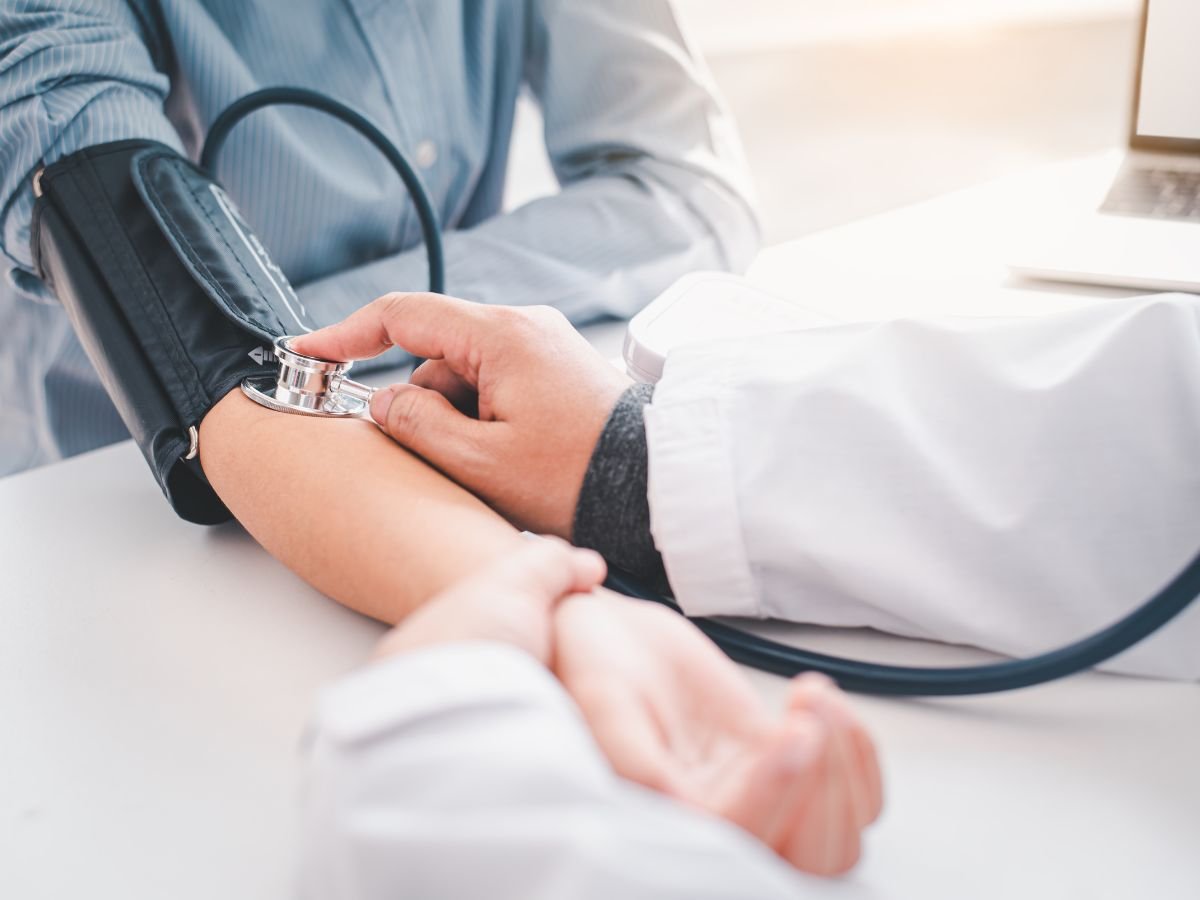
High blood pressure, also known as hypertension, is often called the “silent killer” — and for good reason. It typically develops without obvious symptoms, quietly damaging blood vessels, the heart, brain, kidneys, and eyes over time. Many people live with elevated blood pressure for years without realizing it, only discovering the condition after a serious complication like a heart attack or stroke.
Cardiologists warn that while hypertension may not always cause dramatic warning signs, the body often sends subtle signals that shouldn’t be ignored. Recognizing these early clues and getting timely medical attention can prevent life-threatening consequences.
Why High Blood Pressure Is Dangerous
Blood pressure measures the force of blood pushing against artery walls. When it remains consistently high, it forces the heart to work harder and gradually damages arteries. Over time, this increases the risk of heart disease, stroke, kidney failure, and vision problems.
A normal blood pressure reading is generally around 120/80 mmHg. Readings consistently above 130/80 mmHg may indicate hypertension. Because symptoms are often mild or absent, routine screening is the only reliable way to detect it early. However, cardiologists say there are certain subtle symptoms that may hint at uncontrolled blood pressure. In this article, Dr Prithvi Singh Rajvir, Cardiologist, Apollo Hospitals, shares the top 8 signs that indicate danger.
1. Frequent Headaches
While occasional headaches are common, persistent or early-morning headaches may be linked to elevated blood pressure. Cardiologists explain that high pressure in the blood vessels can increase pressure in the brain, leading to discomfort or throbbing pain. These headaches are often described as dull and pressure-like rather than sharp. If you notice recurring headaches, especially combined with other symptoms, it’s wise to check your blood pressure.
2. Shortness of Breath
Unexplained breathlessness during routine activities — like climbing stairs or walking short distances — can signal cardiovascular strain. High blood pressure forces the heart to pump harder, which may eventually lead to heart enlargement or heart failure. If shortness of breath occurs frequently or worsens over time, it should never be dismissed as simple fatigue or aging.
3. Dizziness or Lightheadedness
Feeling dizzy occasionally can result from dehydration or low blood sugar. However, recurrent dizziness may indicate fluctuations in blood pressure levels. In some cases, extremely high blood pressure can affect blood flow to the brain, causing balance issues or fainting sensations. Cardiologists recommend immediate medical attention if dizziness is accompanied by chest pain, confusion, or vision problems.
4. Blurred or Disturbed Vision
The eyes are particularly sensitive to blood pressure changes. Chronic hypertension can damage the tiny blood vessels in the retina — a condition known as hypertensive retinopathy. Warning signs may include blurred vision, double vision, or temporary loss of vision. In severe cases, untreated high blood pressure can even lead to permanent vision damage. Routine eye exams can sometimes detect early vascular changes before other symptoms appear.
5. Chest Discomfort
Though not always dramatic, mild chest tightness or discomfort may be a warning sign of cardiovascular stress. High blood pressure contributes to coronary artery disease, which reduces blood flow to the heart muscle. Any persistent or unexplained chest pain should be treated as a medical emergency, particularly if it spreads to the arm, neck, or jaw.
6. Fatigue and Confusion
Constant tiredness or difficulty concentrating may seem unrelated to blood pressure, but poor circulation caused by hypertension can affect oxygen delivery to the brain and body.
Over time, uncontrolled blood pressure increases the risk of cognitive decline and memory issues. If fatigue feels unusual or persistent, it may be worth checking your blood pressure levels.
7. Nosebleeds
While nosebleeds are not a common symptom of mild hypertension, cardiologists note that frequent or unexplained nosebleeds may occur in cases of severely elevated blood pressure.
If nosebleeds happen regularly without injury or dry air exposure, medical evaluation is recommended.
8. Irregular Heartbeat or Palpitations
Some individuals with high blood pressure experience a pounding sensation in the chest, neck, or ears. Palpitations may occur when the heart struggles to pump effectively against increased resistance.
Although palpitations can also be linked to anxiety or caffeine intake, persistent irregular heartbeats should always be assessed by a healthcare professional.
Hypertension Crisis: Who Is at Higher Risk?
Cardiologists identify several risk factors that increase the likelihood of developing high blood pressure:
- Family history of hypertension
- Obesity or excess weight
- Sedentary lifestyle
- High salt intake
- Chronic stress
- Smoking and alcohol use
- Diabetes or kidney disease
- Age over 40
However, hypertension is increasingly being diagnosed in younger adults due to poor lifestyle habits and high stress levels.
Severe Sympoms That Shouldn’t Be Ignored
Because symptoms are often silent or vague, regular blood pressure checks are essential — especially if you fall into a high-risk category.
Seek immediate medical care if you experience:
- Severe headache
- Chest pain
- Difficulty breathing
- Sudden vision changes
- Weakness or numbness on one side of the body
These may indicate a hypertensive crisis or stroke.
How To Prevent High Blood Pressure?
The good news is that high blood pressure can be managed effectively with lifestyle changes and, if necessary, medication.
Cardiologists recommend:
- Reducing salt intake
- Eating a balanced diet rich in fruits and vegetables
- Exercising at least 30 minutes daily
- Maintaining a healthy weight
- Managing stress through yoga or meditation
- Avoiding tobacco and limiting alcohol
- Monitoring blood pressure regularly
Early detection remains the most powerful tool in preventing complications.
High blood pressure rarely announces itself loudly. Instead, it whispers through subtle signs like headaches, fatigue, breathlessness, or blurred vision. Ignoring these signals can allow silent damage to continue unchecked.
Cardiologists emphasize that routine screening is crucial — even if you feel completely healthy. Monitoring your blood pressure regularly and adopting heart-healthy habits can dramatically reduce the risk of heart disease, stroke, and other serious complications.
In matters of heart health, awareness and early action can truly save lives.















Leave a comment