


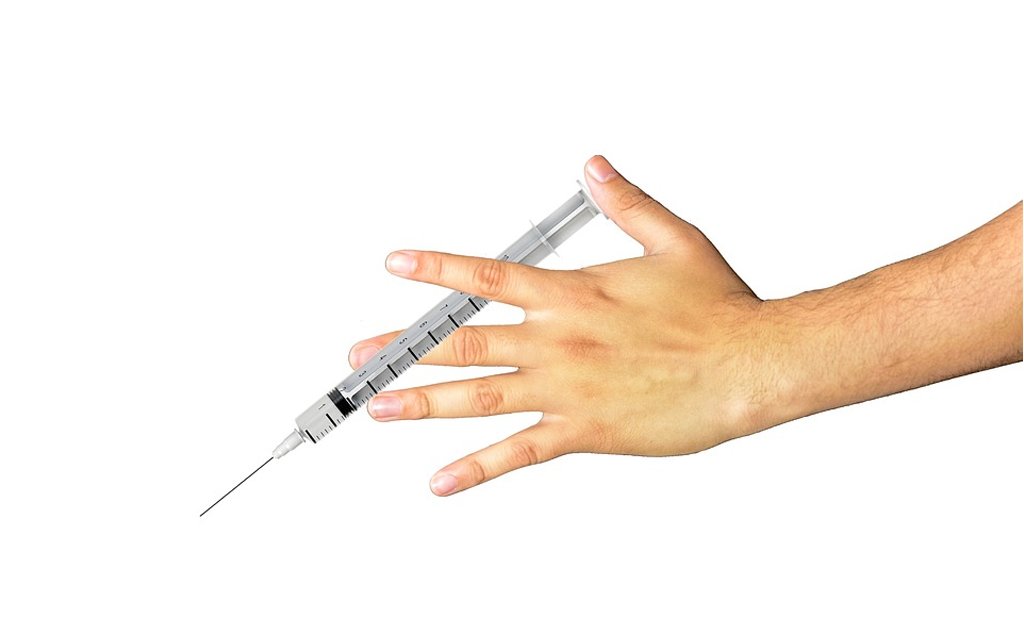
New Delhi, August 24: The human papillomavirus (HPV) vaccine. A crucial tool in preventing cervical, anal, and other cancer, has seen a decline in uptake among U.S. teenagers in recent years. This concerning trend raises alarms about the potential for a resurgence of HPV-related cancers in the future.
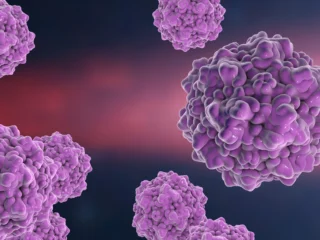
HPV is a common sexually transmits infection that can cause various cancers. Including cervical, anal, oropharyngeal, penile, and vulvar cancers. The HPV vaccine is highly effective in preventing these cancers. Particularly when administered before sexual activity.
Contributing Factors One Should Know
Despite the vaccine’s proven benefits, vaccination rates among U.S. teenagers have plateaued or declined in recent years.
Several factors contribute to this trend, including:
- Misinformation and Vaccine Hesitancy: Concerns about vaccine safety and efficacy, often fueled by misinformation, have led to vaccine hesitancy among some parents.
- Access and Cost: The availability and affordability of the HPV vaccine can be a barrier for certain populations.
- Limited Awareness: Many individuals may not be fully aware of the benefits of HPV vaccination or the risks associated with HPV infection.
The decline in HPV vaccination rates has significant implications for public health. A decrease in vaccine coverage could lead to a resurgence of HPV-related cancers, particularly among vulnerable populations.
To address this issue, public health officials and healthcare providers are working to increase awareness about the benefits of HPV vaccination and to address concerns about vaccine safety and efficacy. Educational campaigns and outreach programs are being implement to provide accurate information about the vaccine and its benefits.
Additionally, efforts are being made to improve access to the HPV vaccine. Including through school-based vaccination programs and cost-sharing initiatives. By increasing vaccination rates, we can help prevent HPV-related cancers and protect the health of future generations.
What Is The Right Time To Get The Cancer Vaccine?
It is important to note that the HPV vaccine is most effective when administer before sexual activity. Therefore, it is recommended that adolescents receive the vaccine at the recommend age of 11-12 years, with a booster dose at age 15-16.
Read Also – ICMR Study Predicts Heart Disease Risk in Over Next 10 Years for Indian Adults
While the decline in HPV vaccination rates is a concerning trend, there is still hope for improvement. By addressing the underlying factors that contribute to vaccine hesitancy and improving access to the vaccine, we can work towards achieving higher vaccination rates and protecting the health of our communities. The decline in HPV vaccination rates among U.S. teenagers is a cause for concern. By increasing awareness, improving access, and addressing vaccine hesitancy, we can work towards ensuring that more individuals receive the HPV vaccine and protect themselves from HPV-related cancers.











Leave a comment