

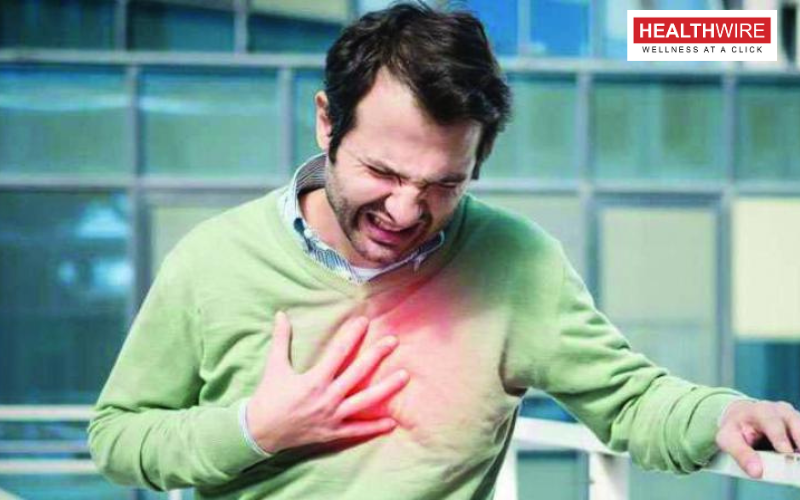
New Delhi, 30 September, 2025: Heart disease is one of the leading causes of death worldwide, and heart attacks are often sudden, severe, and life-threatening. Yet, what many people don’t realize is that the body often sends early warning signals before a heart attack occurs. Recognising these signs in time can literally save lives.
In this article, with insights from cardiologists, we’ll explore the common symptoms of a heart attack, how they differ in men and women, risk factors, and when to seek immediate help.
What Exactly Is a Heart Attack?
A heart attack (myocardial infarction) happens when blood flow to a part of the heart is blocked, usually by a blood clot in the coronary arteries. Without enough oxygen-rich blood, heart muscle begins to die. The longer the blockage goes untreated, the greater the damage.
Immediate medical attention is crucial. Quick recognition and treatment can mean the difference between recovery and a fatal outcome.
Common Signs of a Heart Attack
Cardiologists emphasize that not all heart attacks look the same. Some people experience sudden, intense chest pain, while others may only feel mild discomfort.
Here are the most common warning signs:
1. Chest Discomfort
- Pressure, tightness, squeezing, or heaviness in the center or left side of the chest.
- Lasts more than a few minutes, or comes and goes.
- Described as “an elephant sitting on my chest.”
2. Pain in Other Areas of the Body
- Discomfort spreads to shoulders, arms (especially the left arm), back, neck, jaw, or stomach.
3. Shortness of Breath
- Can occur with or without chest pain.
- Feels like you can’t catch your breath, even at rest.
4. Cold Sweats
- Sudden, unexplained sweating that is not linked to exercise or heat.
5. Nausea or Vomiting
- Particularly common in women, who may mistake it for indigestion or stomach trouble.
6. Lightheadedness or Dizziness
- Feeling faint, weak, or about to collapse.
Silent Heart Attacks: Why They’re Dangerous
Some heart attacks, known as silent heart attacks, occur with minimal or no noticeable symptoms. These are especially common in people with diabetes, where nerve damage may dull pain perception.
“One of the biggest challenges is that heart attacks don’t always come with dramatic chest pain. Subtle symptoms like fatigue, mild breathlessness, or indigestion may be early red flags,” says Dr. Rakesh Sharma, Senior Cardiologist, AIIMS.
How Symptoms Differ in Men and Women
Research shows that women are more likely than men to experience unusual or less obvious symptoms, leading to delayed diagnosis.
- Men: More likely to report classic chest pain and left arm discomfort.
- Women: More likely to have nausea, fatigue, jaw pain, or back pain.
This makes awareness especially important for women, who may dismiss their symptoms as minor.
Risk Factors You Shouldn’t Ignore
Certain people are at higher risk of heart attacks due to lifestyle or medical conditions. Common risk factors include:
- High blood pressure
- High cholesterol levels
- Diabetes
- Smoking
- Obesity and physical inactivity
- Family history of heart disease
- Stress and poor sleep
If you have these risk factors, being vigilant about symptoms is even more critical.
What to Do If You Suspect a Heart Attack
If you or someone near you experiences possible heart attack symptoms:
- Call emergency services immediately – Every minute counts.
- Chew an aspirin (if not allergic) – It helps thin the blood and reduce clot formation.
- Stay calm and rest – Sit or lie down while waiting for help.
- Do not drive yourself – Always seek professional emergency assistance.
“We advise patients never to ignore chest pain or breathlessness. The sooner a patient reaches a hospital, the more heart muscle we can save with treatment,” notes Dr. Priya Malhotra, Interventional Cardiologist, Fortis Escorts Hospital.
Diagnosis and Treatment
Once in the hospital, doctors may perform:
- ECG (Electrocardiogram): Detects electrical changes in the heart.
- Blood tests: To check for enzymes released during heart muscle damage.
- Angiography: To identify blocked arteries.
Treatment options include:
- Medications: Blood thinners, clot-busting drugs, beta-blockers.
- Angioplasty: Using a balloon and stent to open blocked arteries.
- Bypass surgery: Creating alternate routes for blood flow.
How to Reduce Your Risk of Heart Attacks
While some factors like age and genetics can’t be changed, lifestyle choices play a huge role in prevention.
- Adopt a heart-healthy diet – Include whole grains, vegetables, fruits, nuts, and omega-3 rich foods. Limit processed foods, sugar, and excess salt.
- Exercise regularly – At least 150 minutes of moderate activity per week.
- Maintain a healthy weight – Obesity significantly raises heart attack risk.
- Quit smoking and limit alcohol – Both damage the heart and blood vessels.
- Manage stress – Yoga, meditation, and deep breathing can help.
- Get regular health check-ups – Monitor blood pressure, cholesterol, and sugar levels.
Key Takeaways
- A heart attack doesn’t always look like sudden chest pain.
- Symptoms may include breathlessness, sweating, nausea, and even back or jaw pain.
- Women often experience subtler warning signs than men.
- Silent heart attacks are dangerous because they go unnoticed.
- Immediate medical attention saves lives—never wait it out.
“The best way to survive a heart attack is to prevent it. That means knowing your numbers—blood pressure, sugar, cholesterol—and acting on them. But just as important is recognising symptoms early and not dismissing them,” emphasizes Dr. Sameer Khanna, Cardiologist, Apollo Hospitals.
Being informed and vigilant could be the difference between life and death. If you or someone around you shows signs of a heart attack, don’t delay—seek medical help immediately.
















Leave a comment