

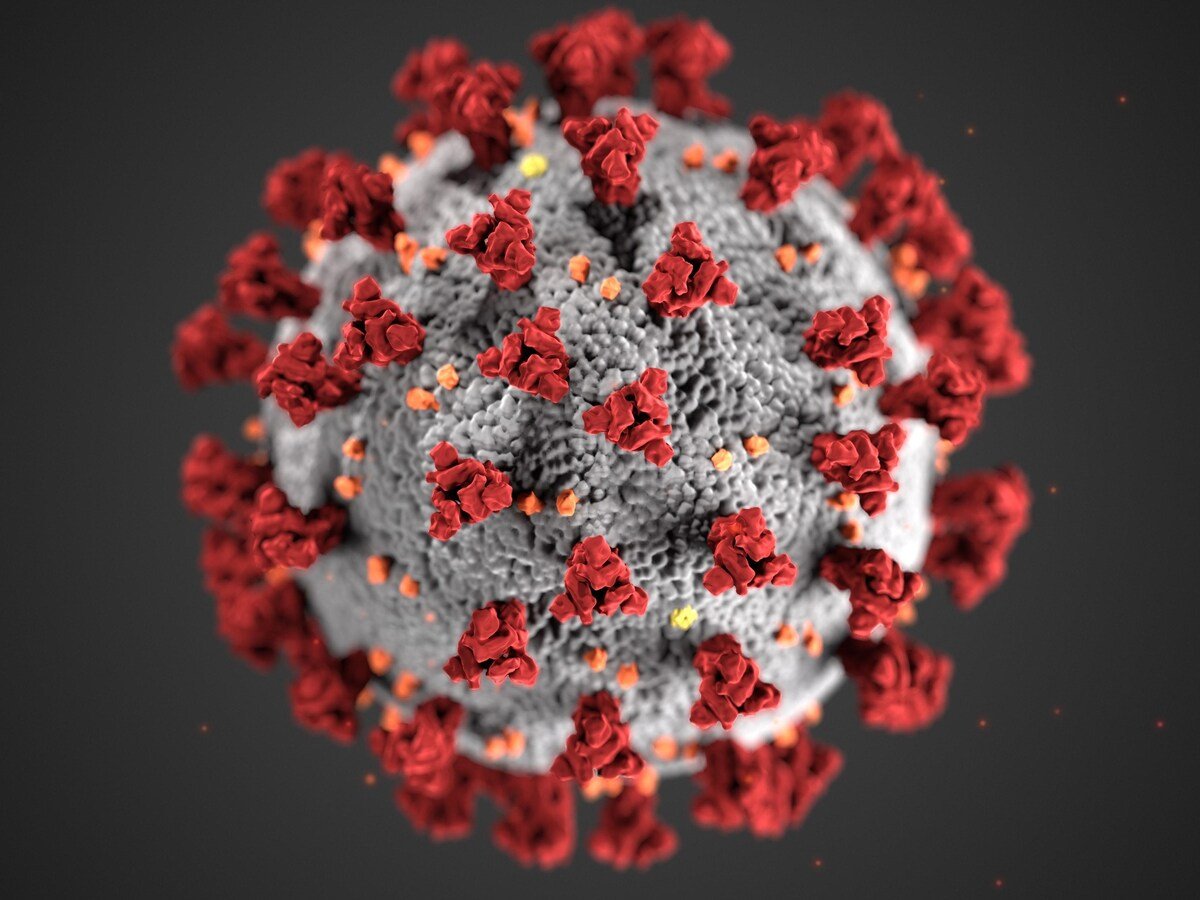
New Delhi, 20 November 2024: SARS-CoV-2, the virus behind COVID-19. Uses a clever method to invade host cells and evade our immune responses. This piece delves into five important reasons why it’s essential to understand how this virus operates. Its impact on public health, and ongoing research aimed at fighting it. The virus takes control of cholesterol movement within our cells. Not only boosting its replication but also helping it avoid immune detection. By studying these factors, we can gain a clearer perspective on the complexities of viral infections and the critical need for targeted treatments.
The Role of Cholesterol in Cellular Processes
Cholesterol serves as a fundamental part of cell membranes and is key to many cellular functions, such as membrane fluidity and signaling. In the case of SARS-CoV-2, cholesterol is crucial for the virus’s survival. The virus alters how cholesterol moves within the host’s cells to create a favorable environment for its replication. This manipulation underlines the significance of cholesterol. Not merely as a cell component but as a tool that viruses can use to their advantage.
How SARS-CoV-2 Hijacks Cholesterol Trafficking
SARS-CoV-2 cleverly exploits specific cellular processes to commandeer cholesterol movement. The virus interacts with the proteins in host cells that manage cholesterol metabolism. Rerouting it to locations within the cell that support viral replication. This involves changing lipid rafts—microdomains in cell membranes rich in cholesterol and sphingolipids. By taking advantage of these lipid rafts, SARS-CoV-2 can efficiently assemble and release new viral particles, thus boosting its infectious capacity.
How SARS-CoV-2 Evade Immunity
One of the most concerning aspects of SARS-CoV-2 is its knack for evading the body’s immune defenses. By manipulating cholesterol movements, the virus can mess with immune signaling pathways, weakening the immune response. Environments rich in cholesterol can hinder the activation of immune cells. Allowing the virus to linger and multiply inside the host. This evasion strategy poses a significant hurdle for developing vaccines and treatments, as traditional methods may not effectively target the virus’s ability to conceal itself from immune detection.
Implications for SARS-CoV-2 Vaccine Development
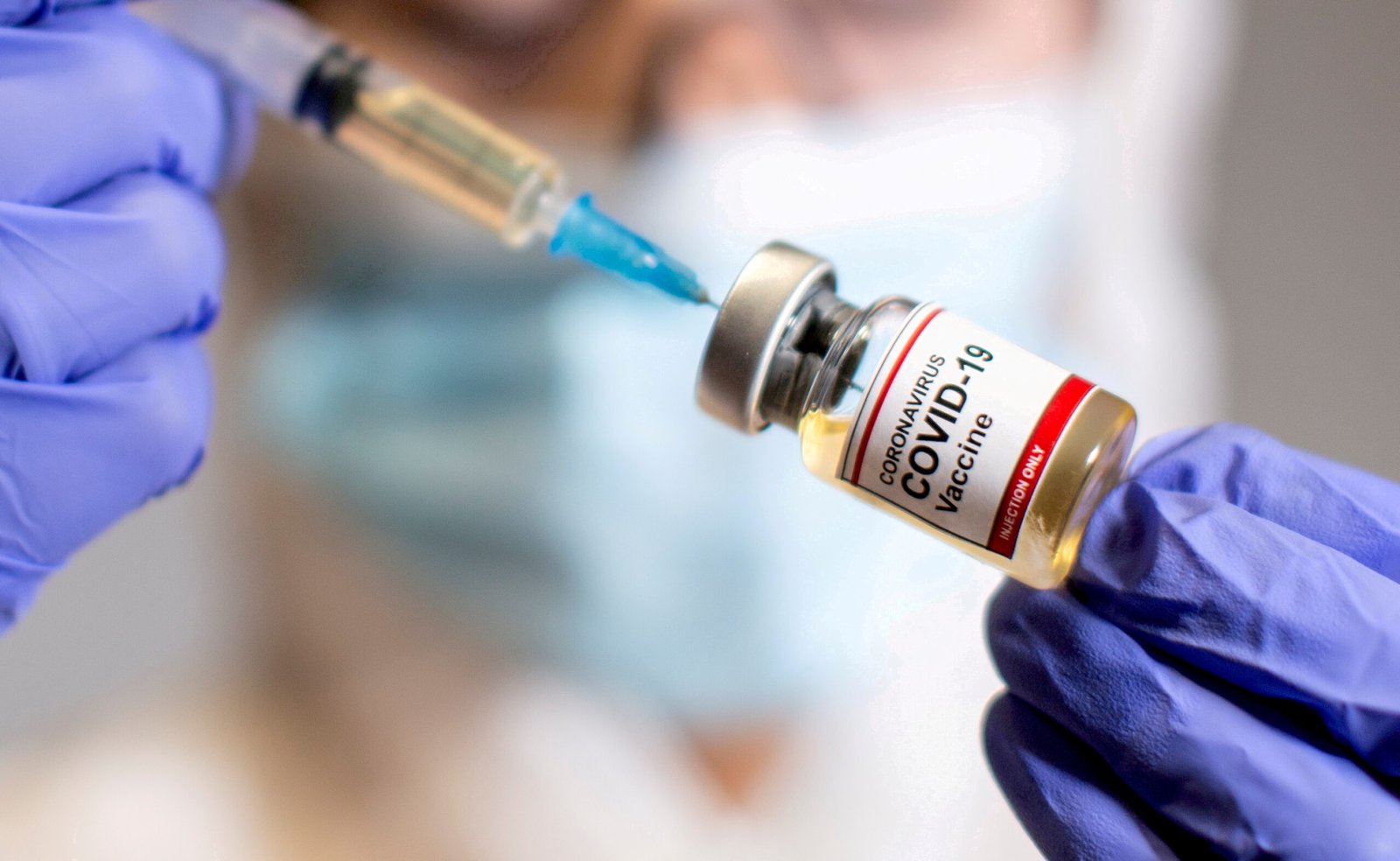
Recognizing how SARS-CoV-2 capitalizes on cholesterol trafficking has major implications for creating effective vaccines. Vaccines are designed to provoke a strong immune response against the virus, but if the virus can dodge detection through manipulating cholesterol, vaccine designs may need to adapt accordingly. Researchers are currently investigating ways to boost the immune response by focusing on the cholesterol pathways the virus exploits. This could lead to vaccines that not only stimulate immunity but also block the virus from benefiting from these pathways.
Ongoing Research and Future Directions
The research on SARS-CoV-2’s connection with cholesterol trafficking is rapidly advancing. Scientists are exploring various methods to thwart the virus’s ability to manipulate these pathways. Potential tactics include creating drugs that target specific proteins involved in cholesterol movement or enhancing immune responses using adjuvants that counteract the virus’s evasion techniques. As our understanding of this mechanism improves, it may pave the way for innovative treatments and preventive strategies against COVID-19 and other viral infections.
Read Also – Delhi Government Orders 50% of Employees to Work from Home Amid Rising Air Pollution
The complex interaction between SARS-CoV-2 and cholesterol trafficking highlights the intricacies of viral infections. By understanding how the virus takes over cellular processes, researchers can formulate better strategies to combat COVID-19. Ongoing research in this domain is vital, as it not only enriches our understanding of SARS-CoV-2 but also adds to the larger field of virology and infectious diseases. Moving forward, a collaborative approach that merges virology, immunology, and cell biology will be crucial in tackling this global health crisis.













Leave a comment