

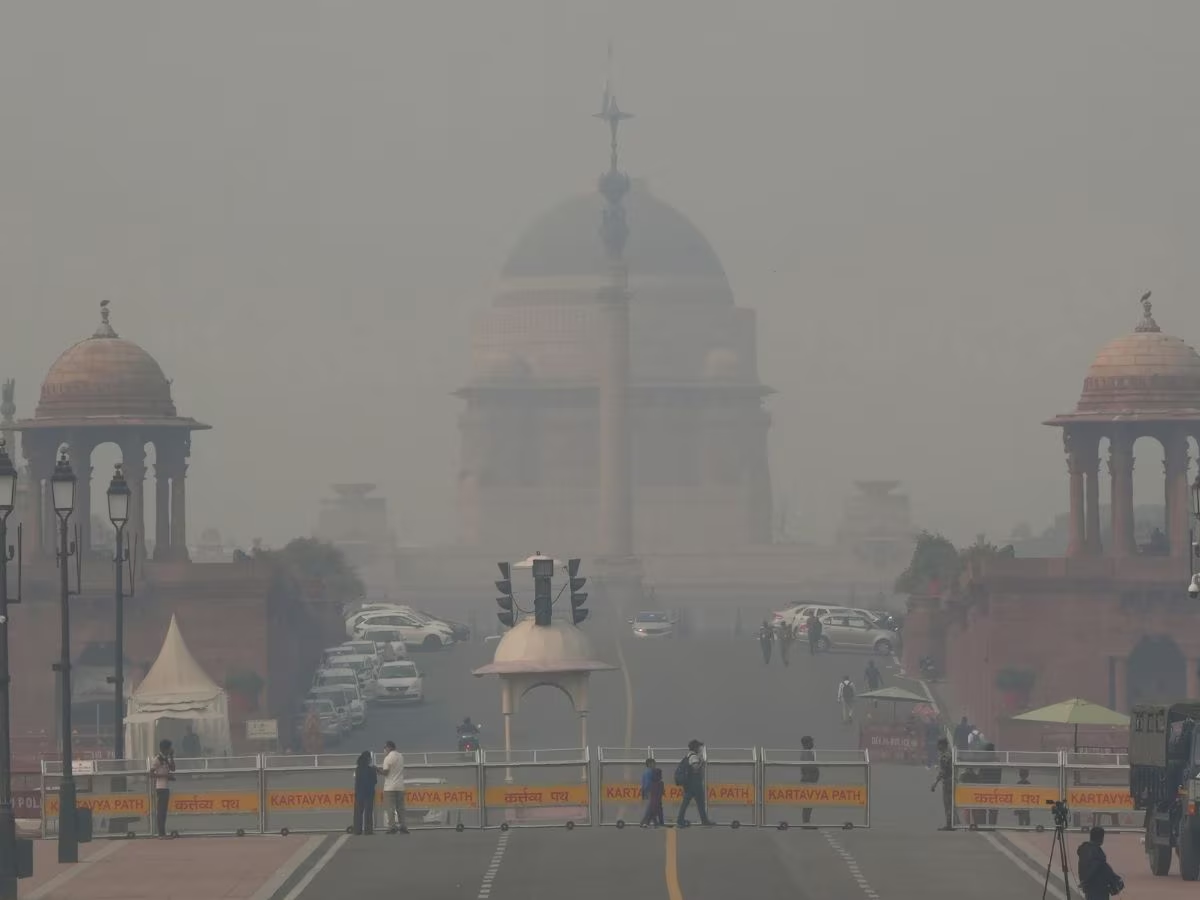
New Delhi, 20 November 2024: In a decisive move to tackle the growing air pollution crisis in Delhi, Environment Minister Gopal Rai has announced that half of the government employees will be required to work from home. This decision arises from the dangerously high levels of air quality in the national capital, which have raised significant health and safety concerns for its residents. The initiative seeks to lessen the pollution impact and safeguard the health of workers and the broader public. So, how did we arrive at such a critical situation, and what are the expected outcomes of this strategy?
The Severity of Air Pollution
Delhi’s air pollution has surged to unsafe levels, often deemed hazardous. The city’s air quality index (AQI) frequently spikes beyond 300, signaling severe health risks. This issue worsens during the winter months when weather conditions trap pollutants near the ground. Growing pressure on the government to take action has led to this recent policy shift.
Given the declining air quality, the Delhi government has opted to enforce a work-from-home policy for 50% of its employees. Gopal Rai shared this initiative on the social media platform X, highlighting that this action forms part of a broader effort to lower pollution in the city. By permitting remote work, the government aims to cut down on vehicular emissions and reduce the overall environmental impact of its operations.
Before implementing the work-from-home policy, the Delhi government had introduced staggered office hours across its departments and the Municipal Corporation of Delhi (MCD). MCD offices operate from 8:30 am to 5 pm, while Delhi government offices run from 10 am to 6:30 pm. These staggered timings were aimed at minimizing traffic congestion during busy periods and reducing emissions. However, with air quality continuing to worsen, more aggressive actions became necessary.
You may Like this-
The dangers of poor air quality are well-known. Exposure to contaminated air can result in respiratory illnesses, heart problems, and other serious health risks. Vulnerable groups such as children, the elderly, and those with existing health issues are especially at risk. By allowing employees to work from home, the government is taking a proactive approach to protect public health in this urgent situation.
The announcement has sparked varied reactions from the public. While many praise the government for taking decisive action, others express doubts about the effectiveness of these measures. Some believe that the work-from-home policy should have been implemented earlier, given the ongoing air quality challenges in the city. Concerns also arise regarding potential impacts on productivity and the efficiency of government services.
Although the work-from-home plan is a temporary solution, experts stress the necessity for long-term strategies to combat air pollution in Delhi. Measures could include stricter regulations on industrial pollutants, improved public transport options, and the creation of more green spaces. The government needs to focus on sustainable policies and practices to foster a healthier environment for all residents.
Read Also – World COPD Day 2024: What Causes COPD and How to Protect Your Lungs
The step to allow 50% of Delhi’s government employees to work from home is a praiseworthy move toward addressing the urgent issue of air pollution. However, it’s essential that the government adopts comprehensive and enduring solutions that extend beyond temporary fixes. As the situation evolves, it is vital for residents, policymakers, and environmental advocates to unite in the effort to create a cleaner, healthier Delhi for future generations. The battle against air pollution isn’t solely a government duty; it requires a collective commitment from every citizen.

















Leave a comment