

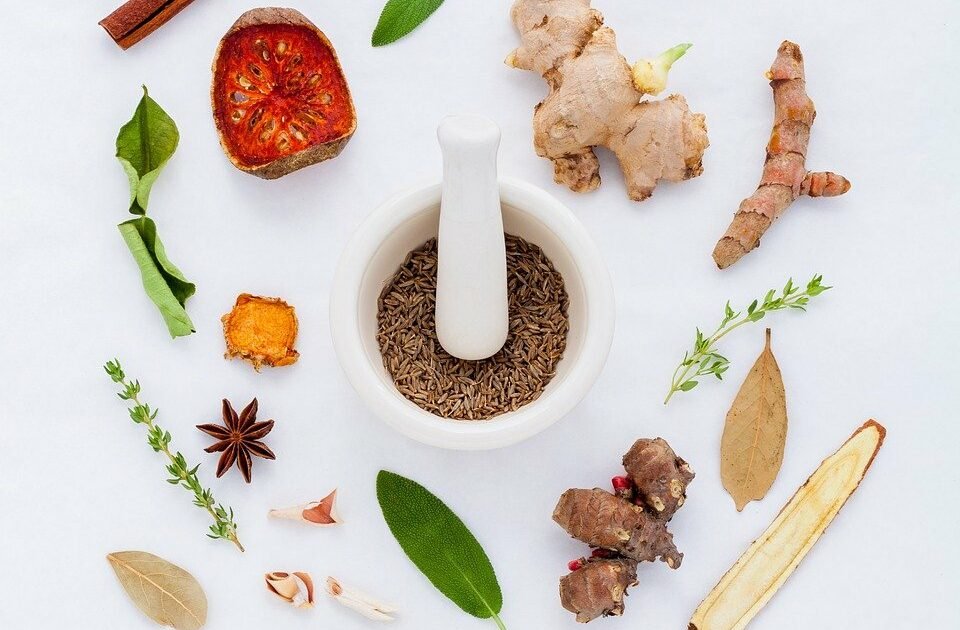
Here are some herbal remedies used to lessen menopause symptoms and hormonal changes:
- Ginseng: Ginseng is an adaptogenic herb that supports homeostasis and aids in the body’s ability to adjust to stress. It is frequently used to reduce menopausal symptoms such as fatigue, stress, and mood swings. By influencing the hypothalamic-pituitary-adrenal (HPA) axis and other hormone-regulating pathways in the body, ginseng may help promote hormonal balance.
- Red Clover: Plant chemicals called isoflavones, which resemble oestrogen, are found in red clover. By binding to oestrogen receptors in the body, these isoflavones may lessen the intensity and frequency of hot flashes while also supporting bone health. Mixed results have been found in studies on red clover’s ability to relieve menopause symptoms; yet, many women report feeling better after taking red clover teas or supplements.
- Black cohosh: Native American tribes have long utilized black cohosh, a plant native to North America, to treat a variety of illnesses, including menopause symptoms. It is thought to function by influencing the brain’s serotonin receptors and controlling the body’s thermoregulation mechanism, which lessens hot flashes and nocturnal sweats. According to certain research, black cohosh may also have estrogenic properties that help with mood swings and dry vagina.
- Chasteberry: Vitex agnus-castus, often known as chasteberry, acts by influencing the pituitary gland, which regulates the production of hormones. It is frequently used to treat mood swings, breast discomfort, and irregular periods—symptoms linked to hormonal imbalances. Chasteberry may also help improve fertility in women with irregular menstrual cycles.
- Licorice root: Glycyrrhizin, a substance found in licorice root, has the ability to replicate the physiological effects of oestrogen. Menopause symptoms like hot flashes, mood swings, and dry vagina are frequently relieved with it. But be careful while using licorice root—especially if you have high blood pressure—as it might lead to electrolyte imbalances and fluid retention.
- Sage: Sage has long been used as a culinary herb and traditional medicine to treat a wide range of illnesses, including menopausal symptoms. It is thought to possess cooling qualities that can lessen the frequency and intensity of night sweats and hot flashes. The most common way to consume this herb is in the form of tea, however supplements are also available.
- Dong Quai: Sometimes referred to as “female ginseng,” dong quai has been used to promote women’s health in traditional Chinese medicine, especially during menopause and menstruation. It may help control hormone levels and has estrogenic effects, which may lessen mood swings, vaginal dryness, and hot flashes. Dong quai is often used in combination with other herbs for maximum effectiveness.
- Soy: Phytoestrogens, especially genistein and daidzein, are abundant in soy beans and soy products. Because these substances have a little estrogenic effect on the body, they may be able to balance hormone levels and lessen menopausal symptoms. Consuming soy has been associated with fewer hot flashes and better cardiovascular health in women going through menopause. Including soy products in your diet, like tempeh, tofu, edamame, and soy milk, may offer relief from symptoms.
Although these herbal therapies have been used for centuries to treat menopause symptoms, caution must be exercised when using them. Before beginning any new herbal therapy, always get medical advice, especially if you have underlying medical concerns or are on medication.














Leave a comment