Home Latest News H5N1 Bird Flu Virus: Understanding Avian Flu and Its Global Health Threat
Latest News

H5N1 Bird Flu Virus: Understanding Avian Flu and Its Global Health Threat

Share
Bird Flu
Bird Flu
Share

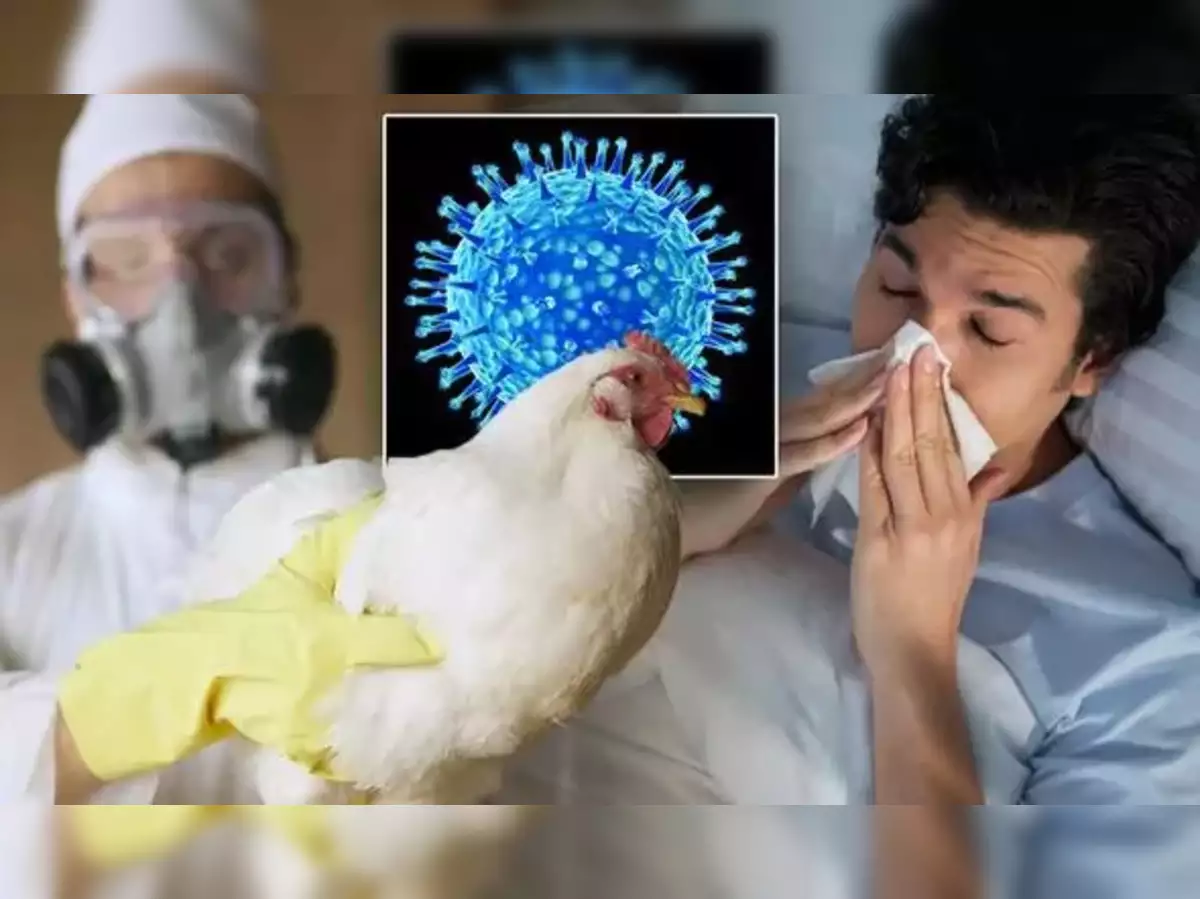
New Delhi, 20 December 2024: The H5N1 virus, commonly known as avian influenza or bird flu, is a highly pathogenic viral infection primarily affecting birds. This strain of the influenza virus can spread rapidly among avian species, causing severe respiratory and systemic illness. Although primarily a bird disease, certain strains of H5N1 have demonstrated the ability to infect humans, posing significant concerns for global health.

How Does the Virus Spread?

Avian flu spreads through direct contact with infected birds, their droppings, or contaminated environments. In poultry farms, the virus can spread quickly, leading to massive outbreaks that devastate bird populations. Human infections, though rare, typically occur through close contact with infected birds or their secretions. There is currently no evidence of sustained human-to-human transmission, but the potential for the virus to mutate and achieve this capability remains a major concern.

Symptoms of H5N1 in Humans

In humans, symptoms of H5N1 infection can range from mild respiratory issues to severe complications. Common symptoms include:

Fever and cough

Muscle aches and fatigue

Sore throat

Difficulty breathing

    In severe cases, the infection can lead to pneumonia, multi-organ failure, and even death. Early detection and prompt medical intervention are crucial for improving outcomes.

    Why is Avian Flu a Global Health Threat?

    High Mortality Rate: H5N1 has a mortality rate exceeding 50% in documented human cases, making it one of the deadliest flu viruses.

    Pandemic Potential: If the virus mutates to enable sustained human-to-human transmission, it could trigger a global pandemic, with devastating consequences.

    Economic Impact: Large-scale outbreaks in poultry farms lead to significant economic losses, affecting food security and livelihoods.

    Public Health Burden: Monitoring and controlling the spread of H5N1 requires substantial resources, straining global health systems.

      Current Outbreaks and Surveillance Efforts

      Recent outbreaks of H5N1 in birds have been reported across multiple countries, raising alarm among health authorities. While human cases remain rare, surveillance systems are being strengthened worldwide to monitor the virus’s behavior. Vaccination campaigns for poultry, strict biosecurity measures, and public awareness are key strategies being employed to limit the spread of the virus.

      The Centers for Disease Control and Prevention (CDC) and the World Health Organization (WHO) are actively collaborating with governments to assess risks and prepare for potential pandemics. Research into effective vaccines and antiviral treatments for humans is ongoing, with the goal of mitigating future outbreaks.

      Preventive Measures for Individuals

      Avoid direct contact with birds, especially in areas experiencing outbreaks.

      Wash hands thoroughly after handling poultry or eggs.

      Cook poultry and eggs to a safe internal temperature.

      Report sick or dead birds to local authorities promptly.

        Staying Vigilant Against H5N1

        The H5N1 virus serves as a stark reminder of the interconnectedness of human and animal health. While current risks to humans are limited, the virus’s potential for mutation underscores the need for global vigilance and preparedness. By strengthening surveillance, improving public awareness, and investing in research, the world can mitigate the threat posed by avian flu and safeguard public health against future challenges.


        Share
        Written by
        kirti Shah

        Kirti is a Health Editor at Healthwire Media, specializing in health journalism and digital health communication. With over four years of experience in the healthcare media landscape, she is dedicated to transforming complex clinical data into accessible, patient-friendly information. Kirti oversees the editorial lifecycle of every article, ensuring they meet rigorous fact-checking standards and align with the latest guidelines from primary sources like the WHO and Ministry of Health. In her role, Kirti works closely with a panel of board-certified physicians and medical reviewers to ensure that every piece of content published is not only easy to understand but also medically accurate and safe for the public. She is passionate about health literacy and helping readers navigate their wellness journeys with confidence.

        Leave a comment

        Leave a Reply

        Your email address will not be published. Required fields are marked *

        Don't Miss

        Signs Of Heart Attack
        Cardiology

        Heart Attack Symptoms Explained: Does the Pain Always Occur on the Left Side? Expert Reveals Warning Signs You Shouldn’t Ignore

        In 2026, heart attacks are not limited to the elderly—young people are increasingly facing this serious condition. Before a heart attack occurs, the...

        There are many microorganisms that directly harm the stomach.
        Diet & NutritionLifestyle & Wellness

        Viral gastroenteritis cases amid rising summer heatwave: Tips to protect yourself

        As the temperature continues to rise, viral gastroenteritis also known as stomach flu spikes in Mysuru with reports indicating a sharp rise in...

        Nephrology

        Heatwave alert: How dehydration silently damages your kidneys and hidden risks you must not ignore

        With the moderate increase in temperatures in India, the majority of the population is concentrating on being hydrated. Although dehydration is a key...

        Lifestyle & Wellness

        Pre-pregnancy obesity may raise child’s fatty liver risk by 3 times, warns expert

        Planning a pregnancy often focuses on eating well, taking supplements, and going for regular check-ups. However, recent studies indicate that preconceptual health is...

        Sir ganga ram hospital (SGRH)
        Press Release

        Sir Ganga Ram Hospital Celebrates 71st Founder’s Day; Delhi LG Shri Taranjit Singh Sandhu Graces the Occasion

        New Delhi: Sir Ganga Ram Hospital celebrated its 71st Founder’s Day with great reverence and enthusiasm, commemorating the enduring legacy of its visionary...

        Section title

        Related Articles
        Latest News

        Indian techie dies in California after contracting rare fungal infection: What is valley fever and how dangerous is it?

        An Indian technology professional recently lost his life in California after contracting...

        Latest News

        Creatine for muscle and brain: What science really says about strength, performance and safety

        Creatine is the world’s most popular fitness supplement. You may come across...

        Latest News

        Hantavirus Outbreak: How This Dangerous Rodent-Borne Infection Spreads And The Warning Signs You Should Never Ignore

        The recent concerns around hantavirus outbreaks have once again highlighted the dangers...

        Latest News

        WHO Flags Rare Human-to-Human Spread in Deadly Cruise Ship Hantavirus Outbreak

        A rare hantavirus outbreak aboard a cruise ship in the South Atlantic...