


It’s widely acknowledged that regular exercise is the key to good health. Nevertheless, we shouldn’t ignore the fact that intense physical exercise might also lead to some serious hazards, such as a heart attack. Identifying premonitory symptoms can be life-saving post a strenuous gym workout. In this, we will review five major signals that should not be brushed aside post a gym session to avoid a heart attack.
Heart Attack Symptoms: Pinching Chest Pain
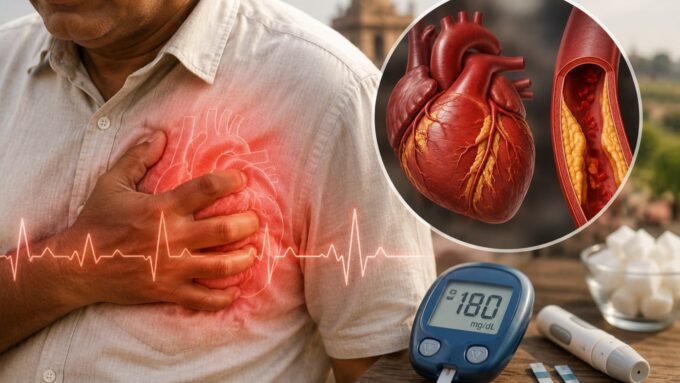
Chest pain is one of the key indicators of a heart attack. This pain can be a sensation of tightness, heaviness, or a squeezing feeling in the chest region. If post a workout you feel this, it’s not to be shrugged off as simple muscular soreness or fatigue. It merits immediate medical attention as it might be a possible heart ailment.
Breath Shortage Due To Heart Attack
This is another vital symptom to keep in mind. If you find yourself struggling to breathe or facing unaccountable breathlessness post a workout, it may be a sign of an upcoming heart attack. A combination of breath shortage with chest discomfort can signal hindered oxygen flow to the heart. It’s a major warning sign that must not be overlooked.
Dizziness or Lightheadedness
Feeling light-headed or dizzy after a workout could be due to reasons like dehydration or low blood sugar. However, if you notice these symptoms persist or are paired with shortness of breath and chest pain, it can imply a greater health concern like a heart attack. Any unfathomable dizziness or lightheadedness after a workout necessitates an immediate medical check-up.
Nausea or Vomiting
Feeling nauseous or the need to vomit after a tough gym session can be alarming, especially if other symptoms of a heart attack are present. This unease can be due to the stress exerted on the heart through intense physical activity. One should not box this persistent nausea or vomiting as post-workout unease and should seek medical assistance to eliminate the possibility of a heart problem.
Are You Having A Heart Attack? Never Ignore Extreme Fatigue Post Workout
Tiredness post a workout is ordinary, but if the fatigue continues for a while or is excessively disproportionate to the workout intensity, it could be indication of a potential heart issue. If fatigue is unmanageable, it’s crucial to visit a healthcare professional to discuss the risk of a potential heart attack.
















Leave a comment