

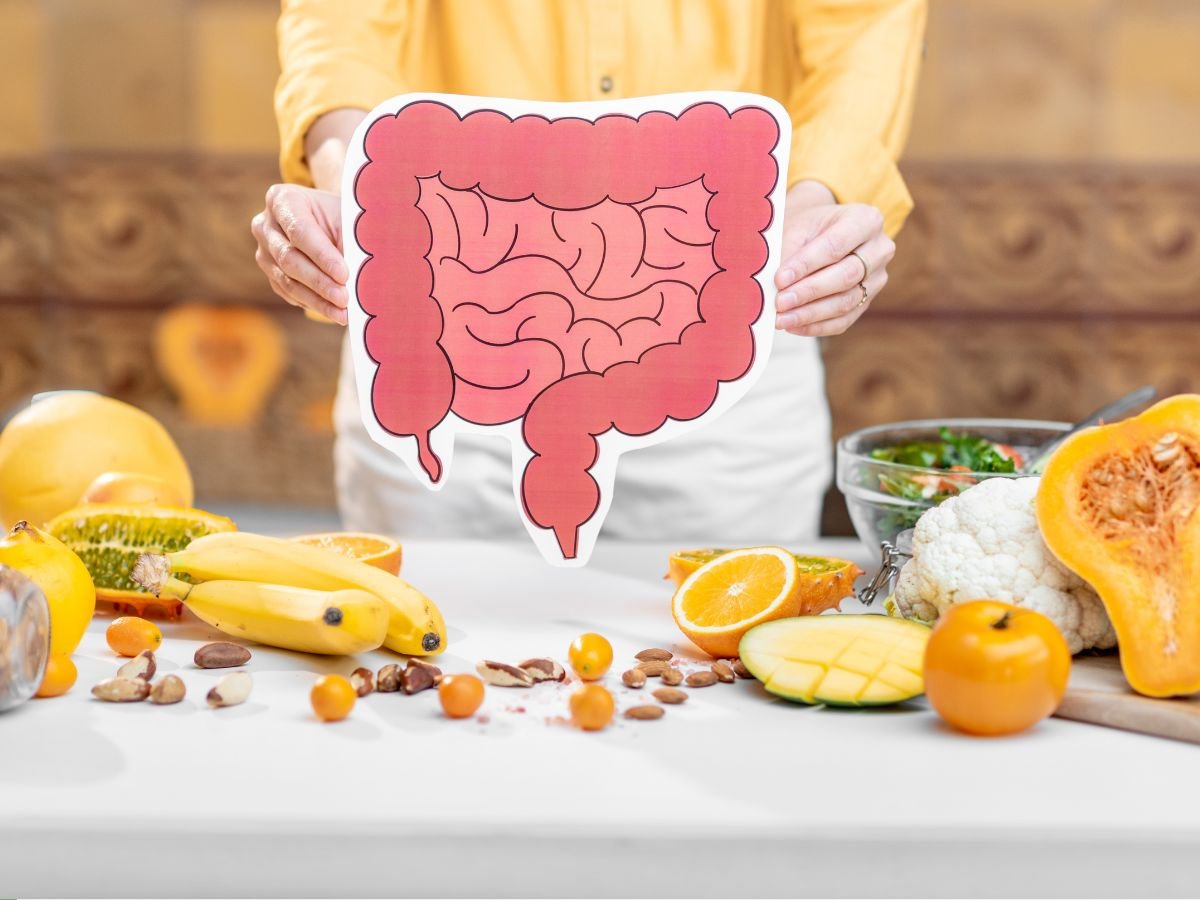
The human digestive system is home to trillions of microorganisms collectively known as the gut microbiome. These include bacteria, viruses, and fungi that live primarily in the intestines. While the word “bacteria” often carries a negative connotation, many of these microbes are beneficial and essential for maintaining overall health.
Scientists have discovered that the gut microbiome plays a critical role in digestion, nutrient absorption, and metabolic health. More importantly, it has a powerful influence on the immune system. A balanced and diverse microbiome helps the body defend itself against harmful pathogens and reduces the risk of infections.
How gut bacteria influence the immune system
A large portion of the body’s immune system is closely connected to the digestive tract. In fact, research suggests that nearly 70 percent of immune cells reside in the gut. This means that gut bacteria constantly interact with immune cells, helping them learn how to respond to harmful microbes.
Beneficial bacteria help the immune system distinguish between harmless substances and dangerous pathogens. They also produce substances that support immune function and regulate inflammation. When the microbiome is balanced, the immune system becomes more efficient in identifying and eliminating viruses, bacteria, and other threats.
Another key function of healthy gut bacteria is protecting the intestinal lining. The gut barrier acts as a shield, preventing harmful microbes and toxins from entering the bloodstream. When the microbiome is disrupted, this barrier may weaken, making the body more vulnerable to infections.
Signs that your gut health may be imbalanced
When the gut microbiome loses its balance, a condition known as dysbiosis can occur. Dysbiosis may affect both digestion and immune health. While symptoms can vary, some common signs may indicate an unhealthy gut.
- Frequent bloating or gas
- Constipation or diarrhea
- Frequent colds or infections
- Persistent fatigue
- Food sensitivities or intolerances
- Skin problems such as acne or eczema
- Mood changes or increased stress levels
These symptoms may signal that the gut bacteria are not functioning optimally.
Foods that help strengthen gut health naturally
Diet plays one of the most important roles in shaping the gut microbiome. Eating a diverse range of nutrient-rich foods helps beneficial bacteria thrive and maintain microbial balance.
Fiber-rich foods such as fruits, vegetables, whole grains, and legumes provide nourishment for healthy gut bacteria. Fermented foods like yogurt, kefir, kimchi, sauerkraut, and miso contain probiotics, which are beneficial bacteria that support digestive health.
Prebiotic foods such as garlic, onions, bananas, asparagus, and oats help feed good bacteria already present in the gut. These foods encourage microbial diversity, which is essential for a strong immune system.
Reducing the intake of highly processed foods, refined sugar, and excessive unhealthy fats is also important, as these can negatively affect the balance of gut microbes.
Lifestyle habits that support a healthy microbiome
In addition to diet, everyday lifestyle choices significantly influence gut health. Chronic stress, poor sleep, and sedentary habits can disrupt the microbial balance in the digestive system.
Regular physical activity has been shown to improve gut microbial diversity. Adequate sleep also plays a key role in maintaining both gut health and immune function. Managing stress through relaxation techniques such as meditation, yoga, or breathing exercises may also help protect the microbiome.
Limiting unnecessary antibiotic use is another important step, as antibiotics can sometimes destroy beneficial bacteria along with harmful ones.
The connection between gut health and infection prevention
A healthy gut microbiome acts as one of the body’s first lines of defense against disease. Beneficial bacteria compete with harmful microbes, preventing them from multiplying and causing infections. They also help regulate the body’s immune responses and reduce harmful inflammation.
Emerging research suggests that individuals with a diverse and balanced microbiome may have stronger immunity against respiratory infections and other illnesses. As scientists continue to explore the relationship between gut bacteria and immune health, it is becoming increasingly clear that caring for the microbiome is essential for long-term well-being.
Maintaining a healthy gut through balanced nutrition, regular exercise, and good lifestyle habits can help strengthen the immune system and improve the body’s ability to prevent infections. In many ways, protecting gut health is one of the simplest and most effective ways to support overall immunity.
Disclaimer: Dear readers, this article provides general information and advice only. It is not at all professional medical advice. Therefore, always consult your doctor or a healthcare specialist for more information.
















Leave a comment