

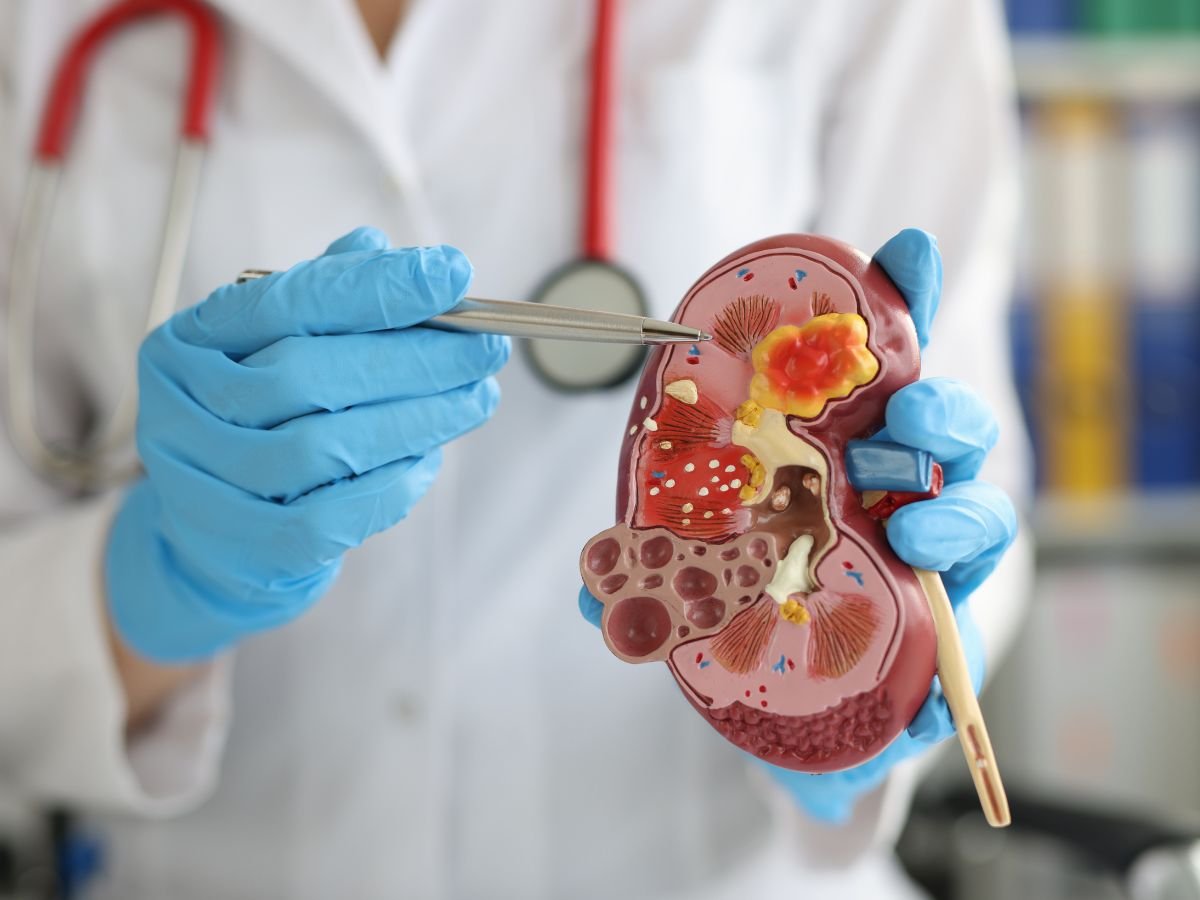
New Delhi, 28 November 2024: Kidney disease, particularly chronic kidney disease (CKD), poses a significant global health challenge, often linked to conditions like diabetes and obesity. A new study has revealed that GLP-1 receptor agonists, a class of drugs primarily used to treat type 2 diabetes and obesity, may also help slow the progression of kidney disease in high-risk patients. This finding highlights the growing potential of these medications to address multiple health concerns, offering hope to millions of patients worldwide.
What Are GLP-1 Drugs?
Glucagon-like peptide-1 (GLP-1) receptor agonists are medications originally developed to help manage blood sugar levels in people with type 2 diabetes. They work by mimicking the GLP-1 hormone, which stimulates insulin production, suppresses appetite, and slows gastric emptying. In recent years, GLP-1 drugs, such as semaglutide and liraglutide, have also gained recognition for their role in aiding weight loss in obese patients.
GLP-1 receptor agonists, including drugs like semaglutide and liraglutide, work by mimicking a natural hormone that regulates blood sugar, suppresses appetite, and slows gastric emptying. In recent years, their benefits have extended beyond diabetes and weight management, showing promise in reducing cardiovascular risks. The new study builds on this evidence, indicating that these drugs may also provide kidney-protective effects. The research involved data analysis from clinical trials and found that patients treated with GLP-1 drugs experienced a slower decline in kidney function compared to those receiving standard care. The drugs also reduced albuminuria, a condition where excess protein is found in urine, often an early sign of kidney damage.
The protective effects of GLP-1 drugs on kidney health are believed to stem from multiple mechanisms. These include improved blood sugar control, reduced inflammation in kidney tissues, lowered blood pressure, and weight loss—factors that collectively alleviate strain on the kidneys. For individuals with diabetes or obesity, these drugs offer a dual benefit, managing metabolic issues while slowing kidney disease progression. Notably, patients with both diabetes and obesity seemed to derive the most significant benefits, suggesting that GLP-1 drugs may be particularly effective in high-risk populations.
CKD is often silent in its early stages, and its progression can lead to severe complications such as cardiovascular disease, electrolyte imbalances, and kidney failure, requiring dialysis or transplantation. Diabetes and obesity are among the leading causes of CKD, making the study’s findings especially relevant. By targeting the root causes of kidney damage, GLP-1 drugs could delay or even prevent the progression of CKD, significantly improving patient outcomes. Additionally, preliminary evidence hints that these medications may also help patients with non-diabetic CKD, though more research is needed to confirm these findings.
Despite their potential, several challenges remain. GLP-1 drugs are costly, and their affordability could limit access for many patients, especially in low- and middle-income countries. Side effects such as nausea and gastrointestinal discomfort may also deter some individuals from using these medications. Furthermore, while short-term benefits are evident, additional studies are required to understand the long-term impact of GLP-1 drugs on kidney health.
The study’s findings underscore the need for further research into the broader applications of GLP-1 drugs. Future trials will focus on optimizing dosages for kidney protection, understanding the mechanisms behind their benefits, and exploring their use in non-diabetic CKD patients. If validated, these medications could become a cornerstone therapy for managing kidney disease in high-risk groups.
In conclusion, the potential of GLP-1 receptor agonists to slow the progression of kidney disease marks a significant advancement in medical science. By addressing the root causes of CKD—diabetes, obesity, and inflammation—these drugs offer a multi-faceted approach to disease management. For patients with chronic conditions, GLP-1 drugs could delay kidney failure, improve quality of life, and reduce the burden of kidney disease on healthcare systems. While challenges like cost and accessibility need to be addressed, this breakthrough paves the way for more effective and holistic treatment strategies for CKD.

















Leave a comment