
Home Council & Associations FSSAI Cracks Down on Misleading Protein Powders in India
Council & AssociationsLatest News

FSSAI Cracks Down on Misleading Protein Powders in India

Share
Share

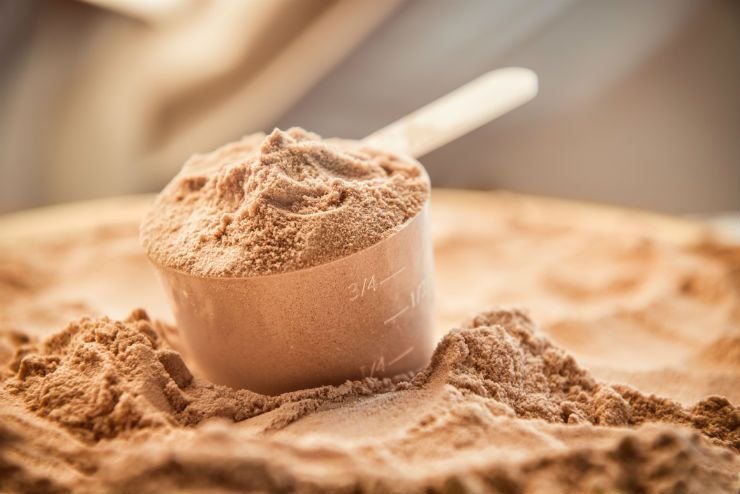
The Food Safety and Standards Authority of India (FSSAI) is taking action against protein supplement powders and shakes that are not medically certified or display misleading claims. A recent study found that nearly 70% of India’s 36 most popular protein powders had incorrect information on their labels, with some brands offering only half of what they claim.

This crackdown follows an FSSAI study showing that many protein powders and supplements sold in stores, online, and in gyms had false and misleading claims. According to the report, this could lead to a ban on many products that do not meet the standards.

As fitness awareness grows, the popularity of protein supplements has surged, leading to a wide range of expensive products on e-commerce platforms. These protein supplements often sell for around ₹2,000-6,800 for 2-3 kg jars.

A study published in the journal “Medicine” revealed the extent of the problem. It analysed 36 popular protein supplements that were sold in India and found that nearly 70% had incorrect protein information on them, with some brands providing only half of what they claim. Additionally, around 14% of the supplements contained harmful fungal aflatoxins, and 8% had traces of pesticide residue.

“Most Indian-made herbal protein-based supplements are poor quality and contain liver toxic botanicals,” noted the authors, who are clinical researchers at Rajagiri Hospital in Kerala and a US-based technology entrepreneur. “We demonstrate that the protein-based herbal and dietary supplement industry requires stringent scrutiny, regulation, and basic safety studies before being marketed,” they added.

The FSSAI’s restrictions aims to ensure that protein supplements sold in India are safe and accurately labelled, protecting people from misleading and potentially harmful products.

Share

Leave a comment

Leave a Reply

Your email address will not be published. Required fields are marked *

Don't Miss

Latest News

Ebola Outbreak 2026: WHO Warns of Dangerous New Strain as Cases Rise Across Congo and Uganda

Just when the world believed the worst years of global viral outbreaks were finally over, one of the deadliest viruses in the world...

Latest News

International Tea Day 2026: How Much Tea Is Safe For Consumption Daily? Expert Answers

Tea is certainly the most treasured drink of all times. Every day millions of people drink several cups of tea, either in the...

Latest News

Heatwave Intensifies In India: Doctor Shares Life-Saving Hacks To Prevent The Body From Suffering Severe Effects

During the peak summer months the temperature can rise to an unbearable level which can have serious effects on the human body causing...

Latest News

Poor sleep emerging as a major trigger for hypertension and metabolic disease

Sleep is increasingly being recognized as one of the most important pillars of health, yet millions of people continue to ignore its impact...

Latest News

Sudden heart attacks in “healthy-looking” people worrying cardiologists

Cardiologists are increasingly raising concerns over a disturbing trend — sudden heart attacks occurring in people who appear outwardly healthy, active, and fit....

Section title

Related Articles
Stroke
Latest News

Stroke risk in summer: Why extreme heat can increase your chances of a brain attack

When temperatures soar during the summer months, most people worry about dehydration,...

Latest News

UTI symptoms you should never ignore: Causes, risk factors and when to seek treatment

Urinary Tract Infections (UTIs) are a very common ailment among everyone of...

Latest News

World Bicycle Day 2026: 30 minutes of cycling every day — What happens to your body in just one month

Cycling is one of the easiest and most enjoyable forms of exercise....

Breast Cancer
Latest News

Breast cancer diagnosis: New genetic test may help many women avoid chemotherapy – READ

Women who are at high risk for developing a common type of...










