

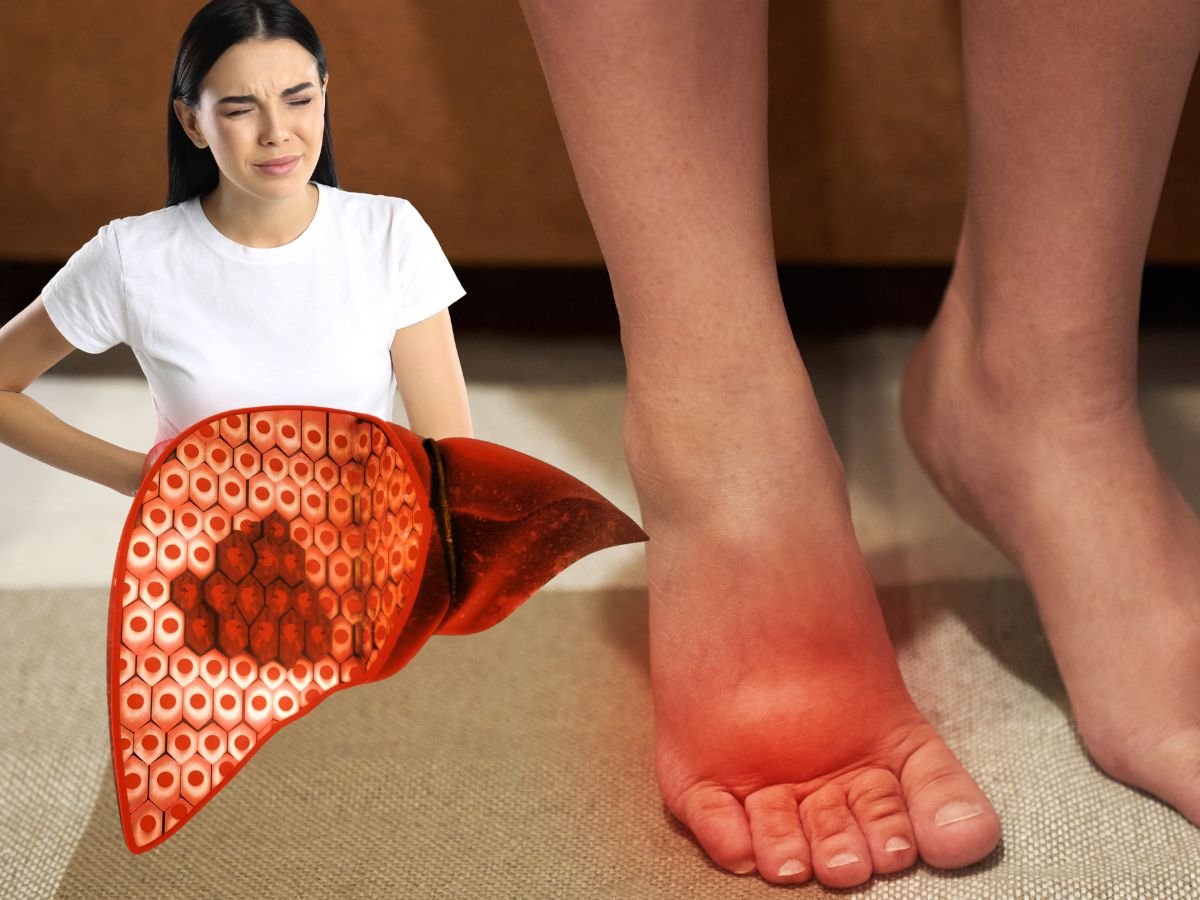
New Delhi, 04 May 2025: Fatty liver disease, also known as hepatic steatosis, is an increasingly common condition where fat builds up in the liver. While the early stages may not cause obvious symptoms, the disease can silently progress, leading to inflammation, liver scarring (fibrosis), and even liver failure or cancer in extreme cases. Early detection is crucial for reversing damage and preventing complications. Here are seven key symptoms of fatty liver disease that should never be ignored:
- Persistent Fatigue: One of the earliest and most common signs of fatty liver disease is constant fatigue. Individuals often report feeling unusually tired, sluggish, or mentally foggy even after adequate sleep. This may occur due to reduced liver efficiency, which disrupts the body’s metabolic and detoxification processes, leading to energy depletion.
- Unexplained Weight Gain or Obesity: While not exactly a symptom, sudden or unexplained weight gain—especially around the abdomen—can signal fatty liver disease. Obesity is one of the major risk factors, and excessive fat storage in the body often mirrors fat accumulation in the liver. A waist circumference of more than 40 inches in men or 35 inches in women is particularly concerning.
- Upper Right Abdominal Discomfort: Pain or a dull ache in the upper right side of the abdomen (where the liver is located) may indicate an inflamed or enlarged liver. Though this symptom is not always severe, it should not be ignored, especially if it’s recurrent or accompanied by bloating and a feeling of fullness.
- Elevated Liver Enzymes: While this symptom is usually detected through a blood test rather than physical sensation, elevated liver enzymes (like ALT and AST) are a red flag. They suggest inflammation or liver cell damage. A routine health checkup can often detect this before physical symptoms emerge, making blood tests crucial in early diagnosis.
- Dark Urine or Pale Stool: Changes in urine or stool color can signal liver distress. Dark-colored urine and pale or clay-colored stools may occur when bile production is disrupted, a common issue in liver disease. These signs should prompt immediate medical attention.
- Swelling in the Abdomen or Legs: As liver damage progresses, it can lead to fluid buildup in the abdomen (ascites) or swelling in the legs and ankles (edema). These symptoms are associated with advanced fatty liver disease or cirrhosis and are signs of poor liver function and protein imbalance.
- Jaundice (Yellowing of Skin and Eyes): Jaundice is a late-stage symptom of liver disease and signals a serious problem. It occurs when bilirubin, a yellow pigment formed from red blood cell breakdown, builds up in the body due to the liver’s inability to process it. Yellowing of the skin or eyes warrants urgent medical attention.
Why Early Detection Matters
Fatty liver disease can be reversed in its early stages with proper lifestyle changes, including weight loss, healthy eating, increased physical activity, and quitting alcohol. However, once the condition progresses to non-alcoholic steatohepatitis (NASH) or cirrhosis, treatment becomes more complex and outcomes are less favorable.
Many people with fatty liver disease are unaware they have it, making awareness and regular checkups essential. If you or someone you know is experiencing any of these symptoms—or if you’re at high risk due to obesity, diabetes, or heavy alcohol use—it’s wise to consult a healthcare provider for screening and guidance. Your liver’s health plays a crucial role in your overall well-being, and ignoring early warning signs can lead to irreversible damage.











Leave a comment