

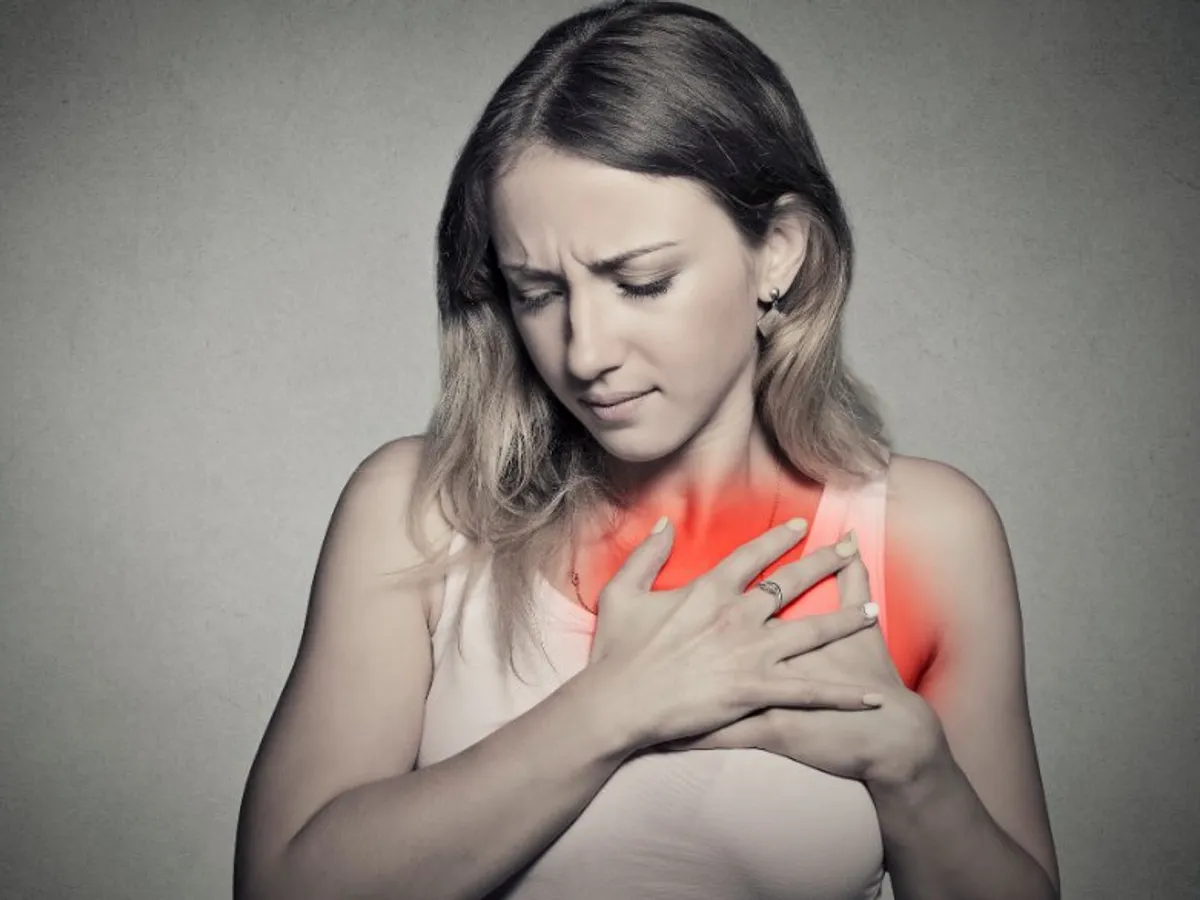
A new study has revealed a concerning finding for women’s heart health: even small amounts of plaque buildup in the arteries may significantly increase the risk of heart attack. The research challenges the long-held belief that only severe arterial blockages pose a serious threat and highlights the urgent need for earlier screening and prevention strategies tailored specifically for women.
Heart disease remains the leading cause of death among women worldwide. Yet, it is often underdiagnosed, misunderstood, or detected later compared to men. This latest study adds to growing evidence that cardiovascular risk in women may develop differently — and more subtly — than previously thought.
What Is Artery Plaque?
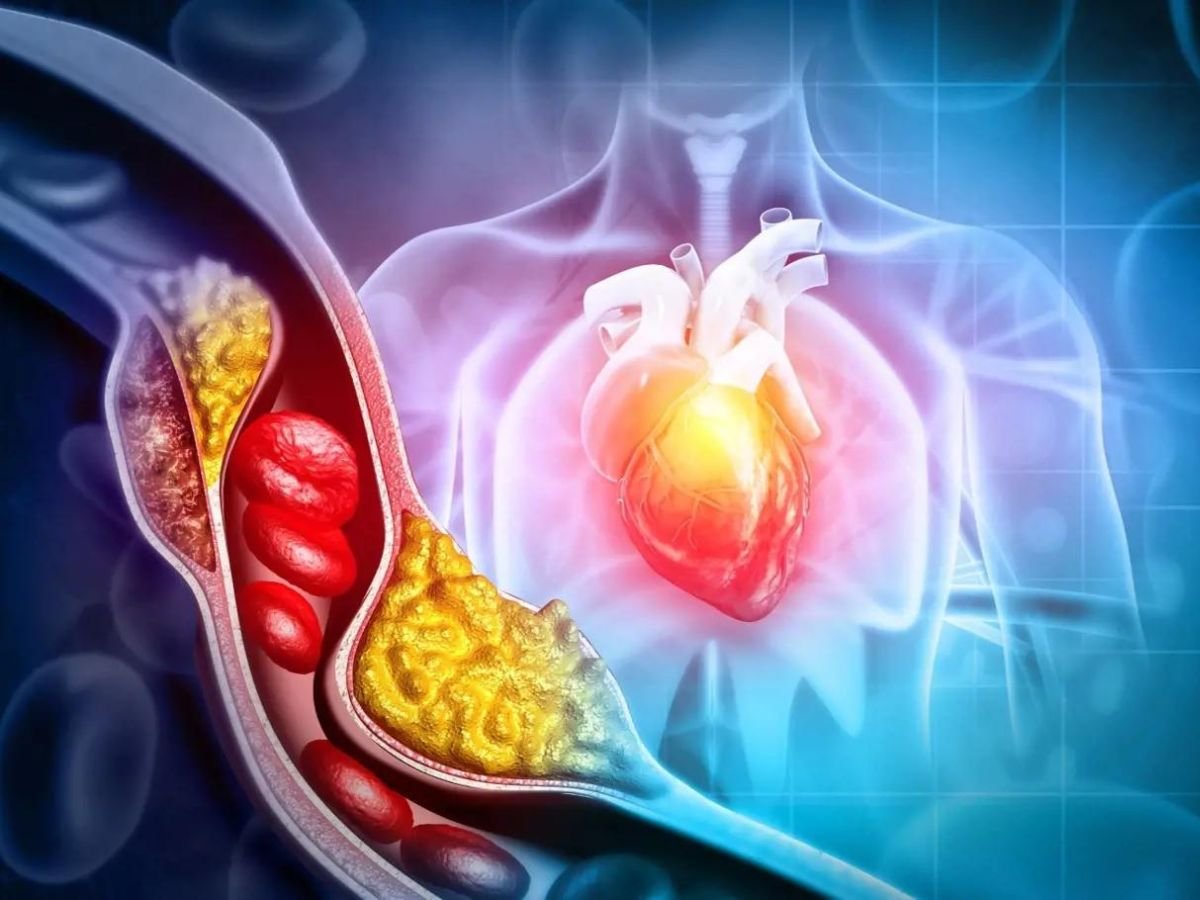
Plaque is a sticky buildup made of cholesterol, fat, calcium, and other substances found in the blood. Over time, plaque accumulates along the walls of arteries — a condition known as atherosclerosis.
As plaque builds up, it narrows arteries and reduces blood flow to vital organs like the heart and brain. If a plaque ruptures, it can form a clot that blocks blood flow entirely, triggering a heart attack or stroke.
Traditionally, doctors have focused on detecting severe blockages — typically when arteries are narrowed by more than 70 percent. However, the new findings suggest that even mild plaque accumulation may not be as harmless as once believed, particularly for women.
According to researchers, women with even minimal plaque buildup in their coronary arteries showed a higher risk of experiencing heart attacks compared to women with completely clear arteries.
The study suggests that women’s arteries may respond differently to plaque compared to men’s. Instead of developing large, obstructive blockages, women are more likely to develop smaller plaques that can still rupture unexpectedly. These ruptures can cause sudden clot formation and acute cardiac events.
Importantly, many of these women did not exhibit the classic signs of severe coronary artery disease on routine testing. This means that traditional diagnostic thresholds may overlook early warning signs in female patients.
Heart Disease In Women: What To Know
Heart disease in women often presents differently than in men. While men frequently experience the “classic” crushing chest pain associated with heart attacks, women may have more subtle symptoms, such as:
- Unusual fatigue
- Shortness of breath
- Nausea
- Back, neck, or jaw pain
- Lightheadedness
- Mild chest discomfort
Because symptoms can be atypical, women are more likely to delay seeking medical help or have their symptoms misattributed to anxiety, stress, or digestive issues.
The new study reinforces that cardiovascular risk in women should not be underestimated — even when imaging shows only minor plaque presence.
The Hidden Danger of “Non-Obstructive” Plaque
For years, non-obstructive coronary artery disease — where plaque narrows arteries less than 50 percent — was considered relatively low risk. However, researchers now believe that plaque instability, rather than size alone, plays a crucial role in heart attacks.
In women, smaller plaques may be more prone to erosion or rupture. When this happens, a blood clot can form quickly and block the artery, cutting off oxygen supply to the heart muscle.
This mechanism explains why some women suffer heart attacks despite having no major blockages detected during prior testing.
Risk Factors Women Should Watch
Several factors increase the likelihood of plaque buildup and heart disease in women:
- High blood pressure
- High cholesterol
- Diabetes
- Obesity
- Smoking
- Sedentary lifestyle
- Chronic stress
- Family history of heart disease
- Early menopause
Additionally, pregnancy-related conditions like preeclampsia and gestational diabetes may increase long-term cardiovascular risk.
Hormonal changes during menopause also play a role, as declining estrogen levels can affect blood vessel health and cholesterol balance.
What Are The Importance of Early Screening?
Given the study’s findings, experts are urging women to prioritize cardiovascular screening — even in the absence of obvious symptoms.
Doctors may recommend:
- Lipid profile testing
- Blood pressure monitoring
- Blood sugar evaluation
- Coronary calcium scoring
- Advanced imaging tests when necessary
Preventive cardiology is becoming increasingly important. Identifying plaque early, even at low levels, allows for lifestyle modifications and medication that can significantly reduce risk.
Can Plaque Buildup Be Reversed?
While plaque cannot always be completely eliminated, its progression can be slowed — and in some cases partially reversed — through aggressive risk management.
Cardiologists recommend:
1. Heart-Healthy Diet
A diet rich in fruits, vegetables, whole grains, lean proteins, and healthy fats can reduce cholesterol levels and inflammation.
2. Regular Exercise
At least 150 minutes of moderate-intensity exercise per week improves heart health and blood vessel function.
3. Cholesterol Management
Statins and other cholesterol-lowering medications may be prescribed to stabilize plaque and reduce rupture risk.
4. Blood Pressure Control
Maintaining healthy blood pressure prevents further arterial damage.
5. Smoking Cessation
Smoking significantly accelerates plaque formation and increases clot risk.
6. Stress Reduction
Chronic stress contributes to inflammation and high blood pressure. Mindfulness practices, yoga, and therapy may help.
For decades, cardiovascular research focused primarily on men, leading to gaps in understanding how heart disease affects women differently. Studies like this are helping close that gap and emphasize that women’s heart health deserves equal attention.
Even small plaque buildup should no longer be dismissed as insignificant. Instead, it should serve as a warning sign — an opportunity to intervene early and prevent future complications.
Severe Symptoms One Should Never Ignore
Women should seek immediate medical attention if they experience:
- Sudden chest discomfort
- Unexplained shortness of breath
- Severe fatigue
- Nausea combined with chest or back pain
- Fainting or dizziness
Early recognition can be life-saving.
The new research sends a clear message: when it comes to heart health in women, even small amounts of artery plaque matter. Waiting for severe blockages to appear may be too late. Prevention, early screening, and awareness of subtle symptoms are critical. Women of all ages — especially those with risk factors — should speak to their healthcare providers about cardiovascular screening and proactive heart care. Heart disease may be silent in its early stages, but with the right knowledge and timely action, it is often preventable.












Leave a comment