

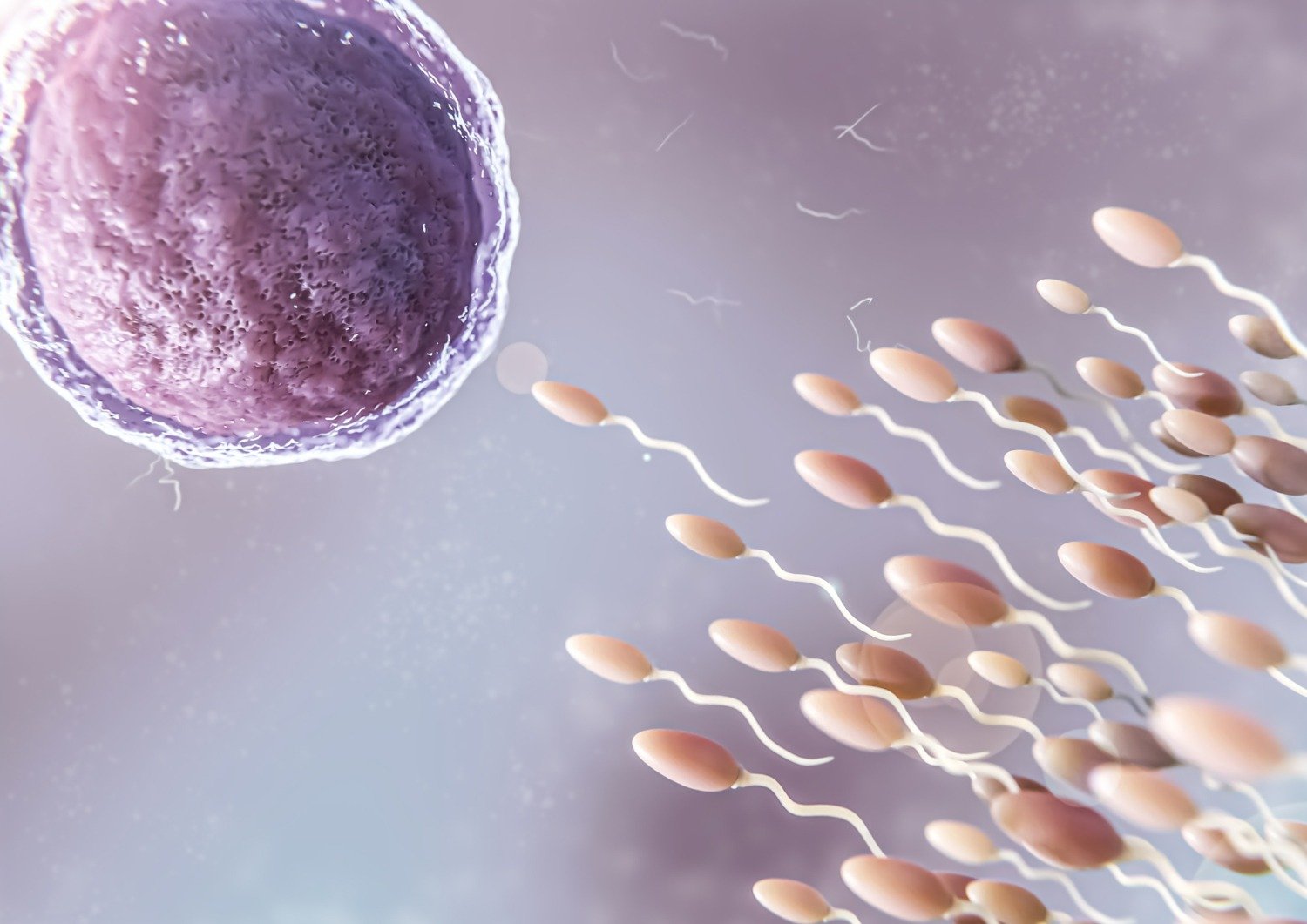
Fertility is influenced by biological factors and understanding these factors is important when discussing reproductive health. Along with age another closely related aspect is the quality of the eggs present in the ovaries. The health of the egg plays a significant role in determining whether fertilisation occurs and if a healthy embryo develops. Over time this egg quality (oocyte quality)declines naturally. Understanding the underlying factor is important when discussing fertility timing and reproductive planning.
Why are fertility challenges not always visible?
According to Dr Tanu Batra, Chief Infertility & IVF Specialist, Vaishali Nagar, Jaipur, Indira IVF Hospital Limited, “Challenges in fertility are not always immediately explained by visible medical conditions. In many cases, though, routine tests may appear normal yet conception may still take longer than expected. One of the underlying reasons in such situations can be poor egg quality thus affecting the egg’s ability to fertilise and develop into a healthy embryo. Scientific literature suggests that age related decline in oocyte competence may contribute to infertility when other clinical indicators appear within normal ranges. Understanding what influences egg quality therefore becomes essential when discussing fertility timing.”
How does age affect egg quality and reproduction?
The most common factor influencing egg quality is natural reproductive ageing. As women age, eggs are more likely to experience errors during cell division (meiosis), thus leading to chromosomal abnormalities that affect embryo development. These abnormalities can reduce the possibility of fertilisation or lead to unsuccessful implantation and miscarriage. From a biological standpoint, ageing affects several processes within the egg itself.
Research suggests that the mitochondrial function may decline over time, while oxidative stress within the ovarian environment may increase. These changes can impact how eggs mature and divide genetically. While the biological developments affecting egg quality are increasingly understood, how fertility is evaluated in clinical practice is often misunderstood.
What fertility tests can and cannot tell you?
The doctor explained, “Fertility timing is often misunderstood because many people assume that modern medical tests can fully assess reproductive potential. However, most fertility tests measure ovarian reserve which refers to the number of eggs remaining in the ovaries rather than their quality. One commonly used test measures Anti-Müllerian Hormone or AMH (a hormone in the blood that reflects the number of developing follicles in the ovaries).”
While AMH levels provide useful insight into egg quantity, medicine currently does not have a reliable clinical biomarker that directly measures egg quality. In many cases, egg competence is inferred during in vitro fertilisation or IVF – a procedure in which fertilisation occurs outside the body in a laboratory – where specialists evaluate fertilisation rates and embryo development.
Modern fertility options and advancements
These biological certainties are one of the reasons fertility awareness has become increasingly important. While biology sets certain boundaries, developments in reproductive medicine have expanded the options available to couples planning their fertility. One of the many advancesthat has received significant attention is egg freezing which is known as oocyte cryopreservation (the process of retrieving and freezing eggs for possible use later). Improvements in vitrification techniques over the past years have made egg preservation more reliable thus giving women greater flexibility when personal or professional priorities delay parenthood.
How preimplantation genetic testing supports fertility?
Another development in fertility treatment is Preimplantation Genetic Testing, or PGT. It is a lab technique used during IVF to check embryos for chromosomal abnormalities before they are transferred. As egg quality declines, the chances of chromosomal errors tend to increase. In such cases, PGT can support specialists in identifying embryos with the right number of chromosomes, often referred to as euploid embryos, which are more likely to result in a successful pregnancy.
Disclaimer: The information provided in this article by Healthwire Media is for general informational and educational purposes only. It is not intended to replace professional medical advice, diagnosis, or treatment. While we strive to provide accurate and up-to-date information based on trusted sources such as WHO, Mayo Clinic, and government health guidelines, medical information can change over time. Always consult a qualified doctor or healthcare professional before making any health-related decisions, especially if you have any existing medical conditions or concerns. Do not ignore or delay seeking medical advice based on information you have read on this website. For more details, please read our full Medical Disclaimer page.














Leave a comment