

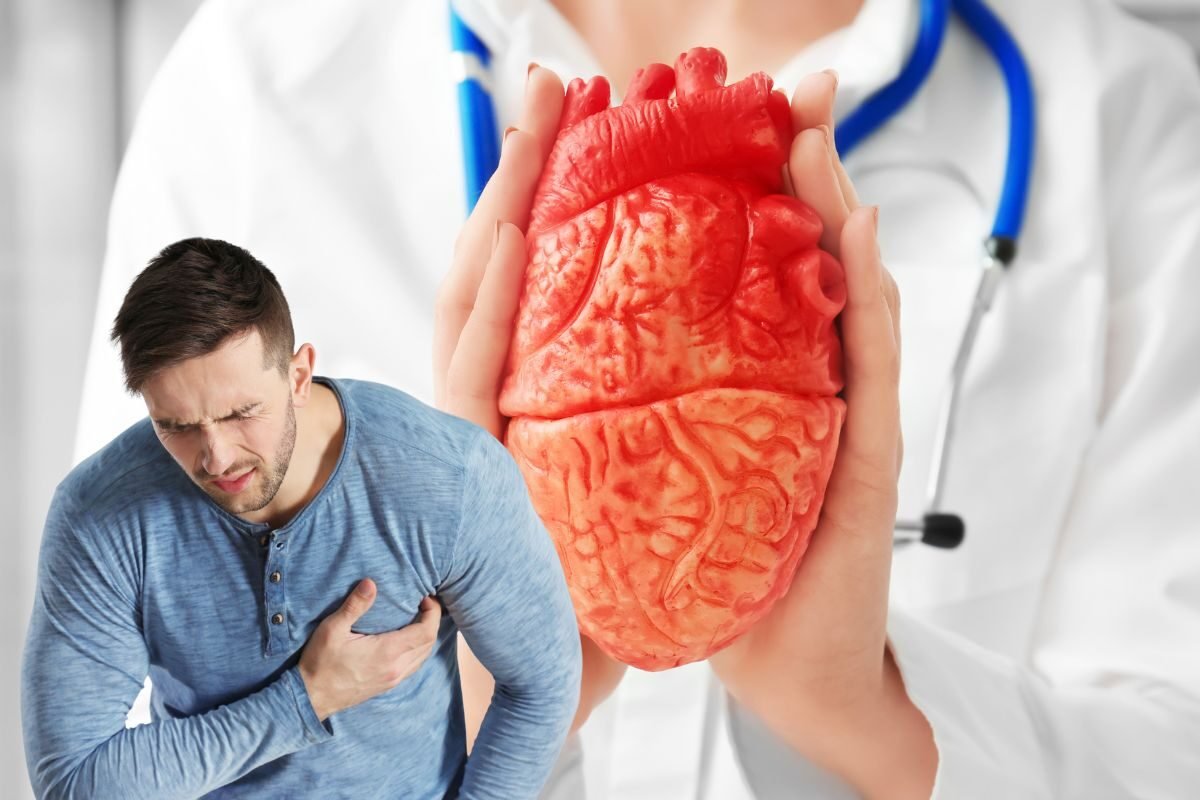
New Delhi, 24 October, 2025: Heart attacks are among the leading causes of death globally, yet many people fail to recognize the subtle signs before a major cardiac event occurs. Understanding the early warning signals of a heart attack can save lives, improve outcomes, and prompt timely medical intervention. Awareness and prompt action are crucial because heart attacks often progress rapidly, and every minute counts.
This article explores the most common early warning signs of a heart attack, explains the underlying reasons behind them, and offers guidance on when to seek urgent medical help.
Understanding Heart Attacks
A heart attack, medically known as myocardial infarction, occurs when blood flow to a part of the heart is blocked. This blockage, usually caused by a clot in a coronary artery, deprives the heart muscle of oxygen, leading to tissue damage or death.
Risk factors for heart attacks include:
- High blood pressure
- High cholesterol
- Diabetes
- Obesity
- Smoking
- Sedentary lifestyle
- Family history of heart disease
- Stress and poor diet
While some heart attacks strike suddenly, many are preceded by warning signs that the body gives in advance. Recognizing these signals can help individuals seek medical care before a full-blown heart attack occurs.
1. Chest Discomfort or Pressure
The most classic symptom of a heart attack is chest pain, pressure, or discomfort. People often describe it as:
- A tight, squeezing, or heavy feeling in the chest
- Pain that may radiate to the arms, back, neck, jaw, or stomach
- A sensation of fullness or burning in the chest
It’s important to note that not all heart attacks involve intense chest pain. Some may present with mild discomfort, especially in women, older adults, and people with diabetes. Any unexplained chest discomfort should be taken seriously.
2. Shortness of Breath
Feeling short of breath without exertion can be an early warning sign. This may occur:
- Before chest pain appears
- During rest or minimal activity
- Alongside fatigue, dizziness, or sweating
Shortness of breath occurs because the heart struggles to pump blood efficiently, leading to fluid buildup in the lungs and reduced oxygen supply to the body.
3. Unusual Fatigue
Sudden, unexplained fatigue can be a subtle but significant symptom. Some individuals report:
- Extreme tiredness during routine activities
- Feeling weak or drained without physical exertion
- Fatigue lasting several days or weeks before other symptoms appear
Women are particularly likely to experience fatigue as an early heart attack warning sign. Don’t dismiss unusual or persistent tiredness, especially when combined with other symptoms.
4. Nausea, Indigestion, or Stomach Pain
Digestive discomfort can sometimes indicate a heart problem rather than a gastrointestinal issue. Symptoms may include:
- Nausea or vomiting
- Indigestion or heartburn
- Pain in the upper abdomen
These symptoms often overlap with common stomach issues, making them easy to overlook. However, if they occur alongside chest discomfort or shortness of breath, seek medical help immediately.
5. Pain in Other Areas of the Body
Heart attack pain doesn’t always stay in the chest. It can radiate to:
- One or both arms, especially the left arm
- Neck, jaw, or throat
- Back or upper stomach
Radiating pain occurs because nerves in the chest and upper body share pathways with the heart. This is why discomfort can be felt in seemingly unrelated areas.
6. Sweating and Cold Clammy Skin
Sudden, profuse sweating, often described as cold or clammy, can signal a heart attack. This symptom is caused by the body’s stress response as it attempts to compensate for reduced blood flow to vital organs.
7. Lightheadedness or Dizziness
Feeling faint, dizzy, or lightheaded can indicate the heart isn’t pumping effectively. This may occur alone or with other warning signs, such as:
- Shortness of breath
- Chest discomfort
- Nausea
If dizziness occurs suddenly or is unexplained, it should be treated as a medical emergency.
8. Anxiety or a Feeling of Impending Doom
Some people report experiencing extreme anxiety or a sense of doom before a heart attack. This may feel like:
- Sudden panic without clear cause
- Intense worry or restlessness
- Feeling something is seriously wrong with your body
This symptom can be subtle but should not be ignored, particularly when it accompanies physical warning signs.
When to Seek Immediate Medical Attention
If you experience any combination of these symptoms, it’s critical to call emergency services immediately. Don’t wait to see if the symptoms pass. Rapid medical intervention can reduce heart damage and save lives.
- Call emergency services (e.g., 911 or local emergency number) at the first sign of heart attack symptoms.
- Chew an aspirin if advised by a healthcare professional and if not allergic.
- Avoid driving yourself; wait for medical assistance to prevent accidents.
Prompt treatment can include medications to dissolve clots, procedures to restore blood flow, or surgery, depending on the severity of the attack.
Prevention: Protecting Your Heart Before a Crisis
Preventing a heart attack involves addressing risk factors and adopting heart-healthy habits:
- Maintain a balanced diet rich in fruits, vegetables, whole grains, and lean proteins. Limit processed foods, sugar, and saturated fats.
- Exercise regularly — at least 150 minutes of moderate activity weekly.
- Monitor blood pressure and cholesterol regularly and take medications if prescribed.
- Maintain a healthy weight to reduce strain on the heart.
- Avoid smoking and limit alcohol consumption.
- Manage stress through relaxation techniques, mindfulness, or counseling.
- Get adequate sleep — poor sleep is linked to higher risk of heart disease.
Regular health check-ups and proactive lifestyle choices are critical to minimizing your risk.
Heart attacks often strike suddenly, but they rarely come without warning. Recognizing the early signs — chest discomfort, shortness of breath, fatigue, nausea, radiating pain, sweating, dizziness, or sudden anxiety — can be life-saving.
Awareness, quick action, and preventive measures are essential to protect your heart. Remember, it’s always better to seek medical help and be safe than to ignore subtle warning signs. By adopting a heart-healthy lifestyle and staying vigilant, you can reduce your risk of a heart attack and improve your overall well-being.
















Leave a comment