

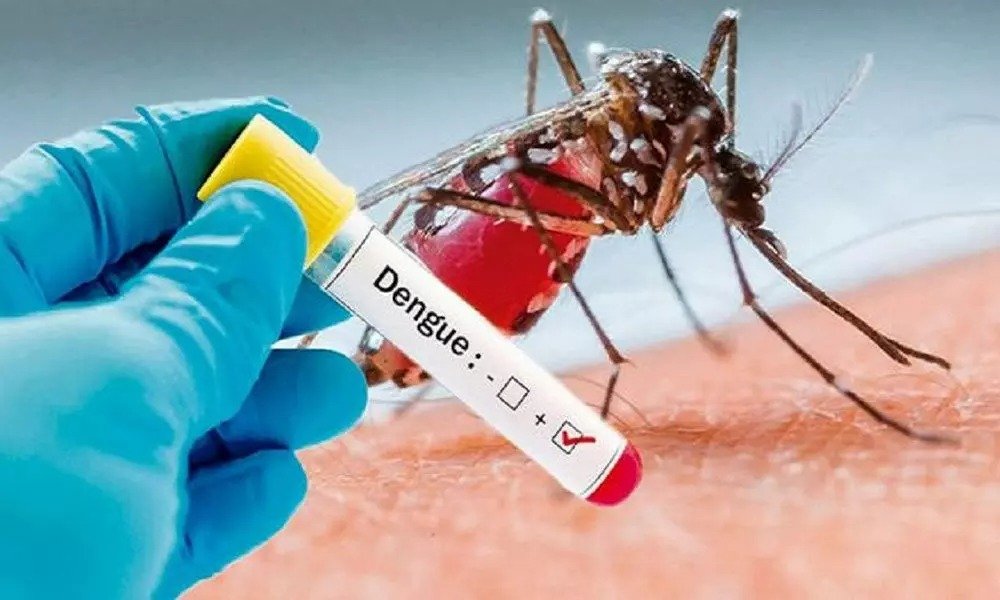
New Delhi, 12 July 2025: Dengue fever is rapidly becoming one of the most widespread mosquito-borne illnesses in the world, with seasonal outbreaks causing serious public health concerns, especially in tropical countries like India. Transmitted by the Aedes aegypti mosquito, dengue can affect people of all age groups and lead to severe complications if not identified and treated in time. What makes dengue particularly dangerous is how easily its early symptoms can be mistaken for common viral infections like the flu or a seasonal fever. Health experts stress that recognising the warning signs early is crucial for timely medical care and preventing life-threatening complications such as dengue hemorrhagic fever or dengue shock syndrome.
One of the first and most common symptoms of dengue is a sudden high-grade fever, often reaching up to 104°F (40°C), that appears 4 to 10 days after a mosquito bite. Unlike the typical flu, dengue fever is usually accompanied by severe headaches, especially around the eyes, along with muscle pain, joint pain, and body aches — a combination that’s sometimes referred to as “breakbone fever” due to the intensity of the discomfort. Another early indicator is skin rashes, which may appear a few days after the fever sets in and can be mistaken for heat rashes or allergic reactions. In many cases, people may also experience nausea, vomiting, loss of appetite, and fatigue that lingers even after the fever subsides.
Doctors warn that while these symptoms may seem manageable, it is the next phase of the illness that can turn dangerous. Once the fever begins to drop — often around day 3 to 5 — patients may enter a critical phase marked by a sudden drop in platelet count, increased risk of internal bleeding, and plasma leakage. Warning signs during this period include persistent vomiting, abdominal pain, swelling, bleeding gums or nosebleeds, and extreme weakness. In some cases, patients may show signs of drowsiness, confusion, restlessness, or difficulty breathing — which should prompt immediate hospitalisation. Delaying treatment during this phase can result in severe complications, especially in children, the elderly, or those with weakened immune systems.
Medical professionals also stress that not all dengue cases are the same. There are different classifications — dengue without warning signs, dengue with warning signs, and severe dengue — each requiring different levels of care. Some people recover with hydration and rest at home, while others may require IV fluids, platelet transfusions, and close monitoring in a hospital. That’s why early diagnosis through simple blood tests like CBC and NS1 antigen testing is critical to guide appropriate treatment and avoid unnecessary complications.
Preventing dengue is equally important and relies heavily on mosquito control and personal protection. Experts recommend eliminating stagnant water from coolers, pots, and containers around homes, using mosquito repellents, wearing full-sleeved clothing, and installing screens on doors and windows. People living in dengue-prone areas should also be alert during peak transmission months, usually after the monsoon season, and seek immediate medical advice if they develop any symptoms resembling dengue.
Health authorities continue to emphasise that awareness is the first step toward protection. Understanding the early warning signs of dengue and taking swift action can make all the difference between a mild illness and a potentially life-threatening situation. If you or a loved one experiences high fever with any combination of the symptoms mentioned, don’t ignore it — consult a healthcare provider and get tested promptly. Dengue may come like a regular viral fever, but its impact can be far more serious without timely attention.
















Leave a comment