

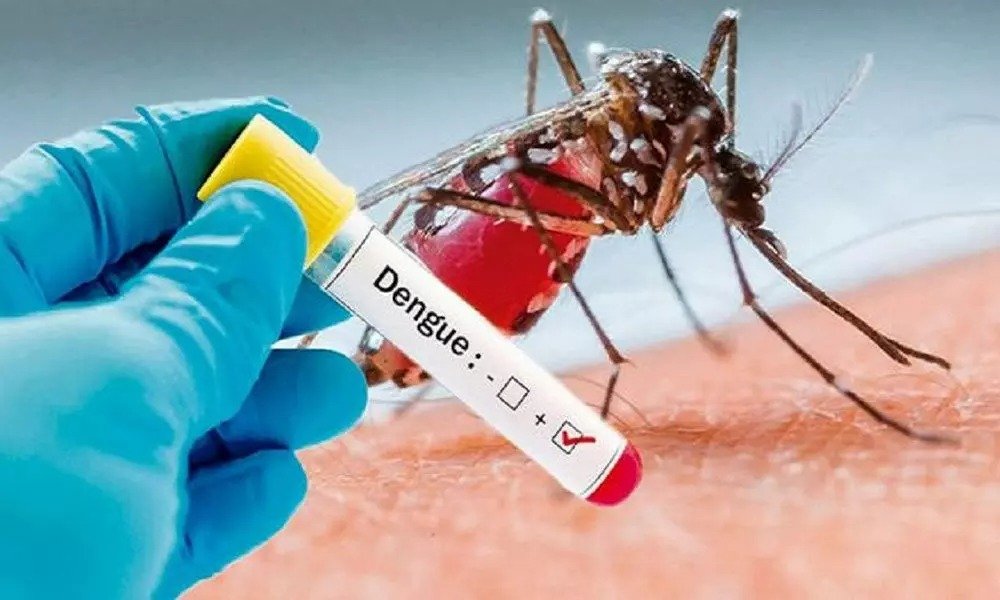
New Delhi, October 01: Dengue fever, a mosquito-borne viral illness, has been on the rise in India in recent years. This surge in cases has raised significant concerns about public health and the need for effective prevention and treatment strategies. To understand the dengue Outbreak and its impact, it is crucial to delve into its transmission, symptoms, and potential consequences.
Transmission of the Dengue Virus
The dengue virus transmitted to humans through the bite of infected female Aedes aegypti and Aedes albopictus mosquitoes. These mosquitoes commonly found in tropical and subtropical regions, including India. They breed in stagnant water, such as in containers, flowerpots, and discarded tires.
Symptoms of Dengue Fever
Dengue fever can present with a wide range of symptoms, varying in severity from mild to severe. While not everyone infected with the dengue virus will experience symptoms, those who do often develop the following:
1. High fever: This is typically the first and most prominent symptom of dengue fever.
2. Severe headache: The headache associated with dengue can be intense and may be accompanied by pain behind the eyes.
3. Muscle and joint pain: Aching muscles and joints are common symptoms.
4. Fatigue: Feeling tired and weak is another hallmark of dengue fever.
5. Loss of appetite: Many people with dengue experience a decreased appetite.
6. Nausea and vomiting: Digestive symptoms such as nausea and vomiting may also occur.
7. Rash: A rash often appears a few days after the onset of fever. It can be red, itchy, and may resemble measles.
8. Bleeding: In severe cases of dengue, bleeding can occur. This may manifest as nosebleeds, gum bleeding, or bleeding from the gastrointestinal tract.
Dengue Hemorrhagic Fever (DHF) and Dengue Shock Syndrome (DSS)
Dengue fever can progress to more severe forms, including dengue hemorrhagic fever (DHF) and dengue shock syndrome (DSS). DHF is characterized by bleeding, low platelet count, and liver damage. DSS is a life-threatening condition that occurs when blood plasma leaks from the blood vessels into surrounding tissues, leading to shock.
Dengue Outbreak: Prevention and Control of Dengue
To prevent the dengue outbreak, it is essential to implement comprehensive control measures. These include:
Vector control: Reducing mosquito breeding sites by eliminating stagnant water, covering water storage containers, and using mosquito repellents.
Personal protection: Using mosquito nets, wearing long-sleeved clothing, and applying insect repellent.
Early diagnosis and treatment: Seeking medical attention promptly if symptoms of dengue fever are present.
Public health campaigns: Raising awareness about dengue outbreak prevention and control measures through public health campaigns.
Read Also – High Cholesterol Levels Prevalent in India With 31% At Risk of Heart Diseases
Dengue Outbreak: How To Contain The Spread?
Healthcare professionals play a crucial role in the diagnosis, management, and prevention of dengue fever. Early diagnosis and appropriate treatment can significantly reduce the risk of complications. It is important for healthcare providers to be vigilant in identifying potential cases of dengue outbreak and to implement effective prevention strategies. Dengue fever remains a significant public health challenge in India. Understanding the transmission, symptoms, and prevention measures is essential for combating this disease.
















Leave a comment