


New Delhi, 05 September, 2025: The monsoon season has returned to Delhi-NCR with a vengeance, bringing not only relief from the scorching heat but also the looming threat of floods. The India Meteorological Department (IMD) has issued a red alert for the capital and surrounding areas including Noida, Gurugram, and Ghaziabad, warning of heavy to very heavy rainfall. With roads already waterlogged, rivers swelling close to danger levels, and drains overflowing, the pressing question arises – is Delhi really ready to handle a flood crisis?
While the rains bring joy to some, they also expose gaps in urban planning, infrastructure, and disaster management. As the city braces for another spell of downpour, here’s a detailed look at the situation, government preparedness, and what residents must do to stay safe.
Why the Red Alert Matters
The IMD issues color-coded alerts to signify the severity of weather conditions.
- Yellow Alert: Be aware of potential disruptions.
- Orange Alert: Be prepared for significant impact.
- Red Alert: Take action; extremely heavy rainfall expected with the potential to cause severe damage.
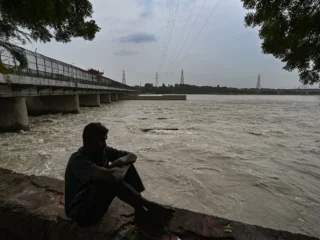
For Delhi, the red alert means the likelihood of intense rainfall over the next 24–48 hours, leading to waterlogging, flash floods, traffic paralysis, and possible health risks due to stagnant water. Low-lying areas, especially near the Yamuna, are at the highest risk of flooding.
Delhi’s Flood-Prone History
Floods in Delhi are not new. Each year, monsoon showers overwhelm the city’s drainage systems. Some of the worst-affected zones include:
- Yamuna floodplains – Houses and slums close to the river face immediate danger when water levels rise above the danger mark.
- Low-lying colonies like Yamuna Bazar, Mayur Vihar, and Geeta Colony often experience waterlogging.
- Key roads and underpasses such as Minto Bridge, ITO, and AIIMS underpass are notorious for flooding.
In 2023, the Yamuna reached its highest level in over 40 years, leading to mass evacuations. Similar warnings are in place again this year, raising fears of a repeat.
The Government’s Preparedness
Authorities have claimed they are better prepared this year. Steps taken include:
- Pumping Stations – The Delhi Jal Board has deployed mobile pumps to remove water from heavily waterlogged spots.
- Desilting of Drains – Before the rains, drains were desilted, though effectiveness is still questionable as many choke quickly.
- Relief Camps – Temporary shelters are being set up for people living near Yamuna floodplains.
- Traffic Advisories – Delhi Traffic Police have issued real-time alerts for commuters, urging them to avoid flooded routes.
- Rescue Teams – National Disaster Response Force (NDRF) and State Disaster Response Force (SDRF) teams are on standby in flood-prone areas.
However, residents continue to complain of poor drainage, overflowing sewers, and delayed response to emergencies – indicating that preparedness may still be falling short.
Why Urban Flooding Is Worsening in Delhi
Experts point to several reasons why flooding has become a recurring nightmare for Delhi-NCR:
- Rapid Urbanization: Construction has encroached upon natural drainage channels and floodplains.
- Poor Drainage Systems: Old and clogged drainage networks cannot handle heavy rainfall.
- Climate Change: Unpredictable rainfall patterns, with sudden cloudbursts, overwhelm infrastructure.
- Garbage Disposal Issues: Plastic waste blocks drains, making waterlogging worse.
- Yamuna Flooding: Release of water from Haryana’s Hathnikund Barrage often raises Yamuna levels drastically.
Unless these structural issues are addressed, Delhi will continue to face severe flooding every monsoon.
How Residents Can Stay Safe
While government agencies do their part, individuals and communities must also act responsibly. Here are some safety measures for Delhi residents:
1. Home Safety
- Avoid storing valuables in basements or ground floors.
- Keep sandbags or barriers at entrances to stop floodwater.
- Disconnect electrical appliances if water enters your home.
- Keep emergency kits ready – including drinking water, dry food, medicines, flashlight, and first-aid supplies.
2. Travel and Commute
- Avoid low-lying roads, underpasses, and waterlogged streets.
- If driving, do not attempt to cross flooded areas – vehicles can stall or be swept away.
- Use public advisories from Delhi Traffic Police to plan routes.
3. Health and Hygiene
- Do not wade through stagnant water, which may contain sewage or harmful bacteria.
- Use mosquito repellents – standing water is a breeding ground for dengue and malaria.
- Boil drinking water or use purifiers to prevent waterborne diseases like cholera and typhoid.
4. Community Preparedness
- Check on elderly neighbors, children, and vulnerable individuals.
- Keep local emergency helpline numbers handy.
- Follow official advisories instead of rumors on social media.
Key Updates for Delhi-NCR Residents
- Delhi: Yamuna water level rising; relief camps prepared near floodplains.
- Noida: Several roads waterlogged; traffic police diverting routes.
- Gurugram: High-rise societies report basement flooding; municipal authorities deploying pumps.
- Ghaziabad: Schools advised to remain cautious; local drains overflowing in parts of the city.
Long-Term Lessons for the Capital
While citizens adapt to every monsoon crisis, experts stress that long-term planning is the only sustainable solution. Delhi needs:
- A revamp of drainage systems to handle heavy rainfall.
- Strict control on encroachments along natural drainage channels.
- Green cover expansion to reduce run-off and improve water absorption.
- Better forecasting and early warning systems to give citizens more preparation time.
- Public awareness campaigns to teach residents how to handle floods.
The IMD’s red alert has once again put Delhi on edge. The capital’s struggle with floods is not just a matter of rainfall – it reflects gaps in planning, infrastructure, and preparedness. While authorities are stepping up measures this year, the real challenge lies in long-term urban reform.
For residents, staying informed and prepared is the only way to navigate through this crisis safely. With community cooperation, responsible governance, and smart precautions, Delhi can turn this monsoon from a disaster waiting to happen into an opportunity to learn and build resilience for the future.
















Leave a comment