

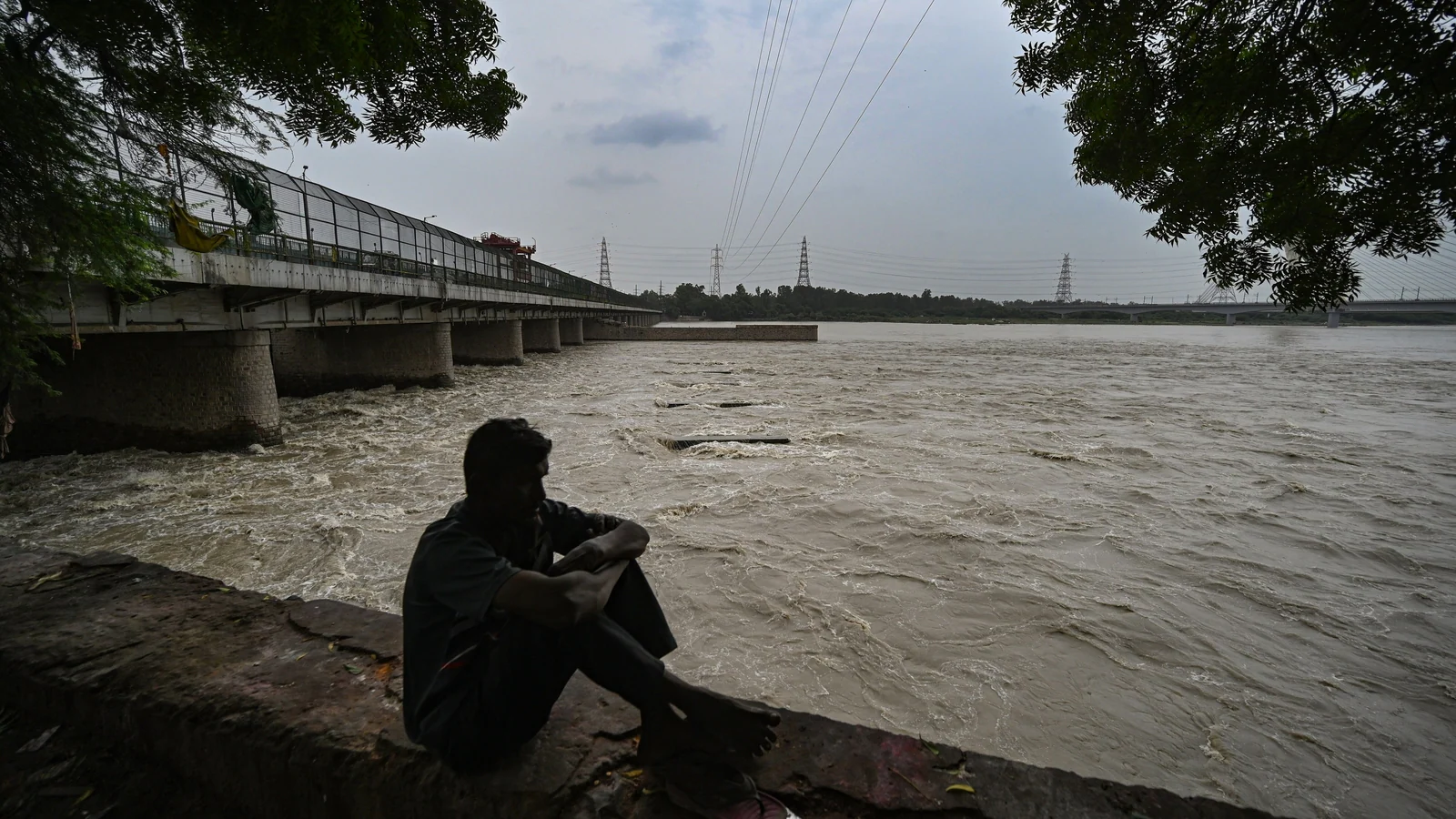
New Delhi, 04 September, 2025: Delhi and the National Capital Region (NCR) are once again battling the fury of heavy monsoon showers. The India Meteorological Department (IMD) has issued a red weather alert for Delhi, Noida, Gurugram, Ghaziabad, and Faridabad, warning residents of intense rainfall, potential waterlogging, and rising flood risks in low-lying areas.
As heavy downpours continue to disrupt daily life, concerns about flooding, traffic snarls, power outages, and health hazards are mounting. Here’s a detailed look at the current situation, official warnings, and practical safety tips to help residents stay safe during this challenging time.
Delhi-NCR Weather Update: What IMD Says
According to the IMD, Delhi and its adjoining NCR cities will experience moderate to heavy rainfall for the next 48 hours, accompanied by thunderstorms and gusty winds. The red alert signifies a very high likelihood of flooding, waterlogging, and traffic disruptions.
Key IMD warnings include:
- Possibility of flash floods in low-lying areas.
- Waterlogging in residential colonies, underpasses, and major roads.
- Heavy traffic jams and disruption of public transport.
- Power supply interruptions in flood-prone areas.
- Increased risk of waterborne and vector-borne diseases.
Why Delhi Is Vulnerable to Floods
Despite being a landlocked city, Delhi often faces flood-like situations during heavy rainfall due to:
- Poor drainage systems leading to waterlogging.
- Encroachment on Yamuna floodplains, reducing natural absorption capacity.
- Rapid urbanisation without adequate infrastructure planning.
- Overflow of the Yamuna River, which already threatens nearby residential colonies.
- Garbage-clogged drains, which worsen flooding in residential areas.
Live Ground Situation in Delhi-NCR
- Low-lying areas near the Yamuna are on high alert as river water levels continue to rise.
- Traffic jams are reported across key stretches such as ITO, Ring Road, Dhaula Kuan, and Gurugram Expressway.
- Schools in several districts have been advised to remain shut as a precaution.
- Metro services are running but with slower speed in some areas due to waterlogging near entry points.
- Residential societies in Noida and Gurugram reported basement flooding, with pumps being deployed to clear water.
Safety Guidelines for Residents During Flood Alerts
When a red alert is issued, precaution is key. Here are expert-backed flood safety measures to follow:
1. Stay Informed and Updated
- Follow IMD updates, Delhi Disaster Management Authority (DDMA) alerts, and local news.
- Keep a battery-powered radio or charged phone handy for weather updates.
2. Avoid Waterlogged Areas
- Do not step into flooded streets—water may be contaminated with sewage or conceal open manholes.
- If driving, avoid underpasses and roads prone to waterlogging.
3. Emergency Kit Essentials
Every household should prepare a flood emergency kit containing:
- Bottled water and dry food
- First-aid kit with necessary medicines
- Torch, candles, and extra batteries
- Important documents sealed in waterproof covers
- Power bank and mobile charger
4. Health Precautions
- Drink only boiled or filtered water to avoid waterborne diseases.
- Apply mosquito repellents to prevent dengue and malaria.
- Wash hands frequently with soap or sanitiser.
- Avoid eating outside food during flooding.
5. Protect Your Home
- Switch off main electrical connections if water enters your house.
- Keep valuables and appliances at higher levels.
- Use sandbags or barriers to prevent water entry in low-lying houses.
6. Safety While Commuting
- Use the Delhi Metro or other public transport instead of driving during peak rainfall.
- If stuck in traffic, turn off your car engine to prevent carbon monoxide poisoning.
- Carry an umbrella, raincoat, and emergency contact numbers.
What to Do If You’re Trapped in Floodwater
- Move to higher ground immediately.
- Avoid walking or driving through fast-moving water.
- If your vehicle is submerged, leave it and move to safety.
- Dial 100 (Police), 101 (Fire), or 1077 (Disaster Helpline) for emergency rescue.
- Stay calm and conserve your phone battery for essential communication.
Health Risks After Heavy Rains and Flooding
Floods not only disrupt daily life but also pose significant public health risks:
- Waterborne diseases: Cholera, typhoid, diarrhoea from contaminated water.
- Vector-borne diseases: Dengue, chikungunya, malaria due to stagnant water.
- Skin infections: From prolonged exposure to dirty floodwater.
- Respiratory issues: Due to dampness, poor sanitation, and increased mould growth.
Doctors advise immediate medical consultation if residents experience fever, vomiting, diarrhoea, or body rashes after exposure to flood conditions.
Government’s Preparedness Measures
Authorities in Delhi and NCR have initiated multiple preventive steps:
- Deployment of rescue boats and NDRF teams in flood-prone areas.
- Regular monitoring of Yamuna water levels.
- Pumping machines installed in low-lying colonies to reduce waterlogging.
- Temporary shelters set up for residents displaced due to flooding.
- Distribution of chlorine tablets and ORS sachets in affected areas.
Lessons from Previous Flood Incidents in Delhi
Delhi has witnessed repeated flooding incidents over the past decade, particularly during heavy monsoon years. The biggest lessons include:
- The need for upgraded drainage infrastructure.
- Proper garbage disposal and desilting of drains before monsoon.
- Strict control on construction over floodplains.
- Better coordination between state and central agencies for flood response.
Experts say unless long-term infrastructural reforms are implemented, Delhi will remain vulnerable to monsoon flooding every year.
How to Stay Mentally Prepared During Floods
Apart from physical safety, mental health care is equally important:
- Stay connected with family and neighbours.
- Avoid panic—follow verified news sources only.
- Engage in relaxation techniques like deep breathing if anxiety rises.
- Keep children occupied with indoor activities to reduce stress.
The Delhi Flood Alert 2025 serves as a reminder of how fragile urban infrastructure becomes during extreme weather. With the IMD issuing a red alert for heavy rainfall, residents must prioritise safety, awareness, and preparedness.
While authorities are deploying teams and flood control measures, individual precautions are the first line of defence. From staying indoors during peak rains to ensuring clean drinking water and avoiding flooded streets, every step counts in protecting yourself and your family.
As Delhi and NCR brace for more showers, vigilance, cooperation, and resilience will be key to weathering the storm safely.
















Leave a comment