

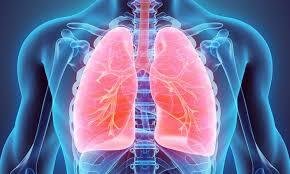
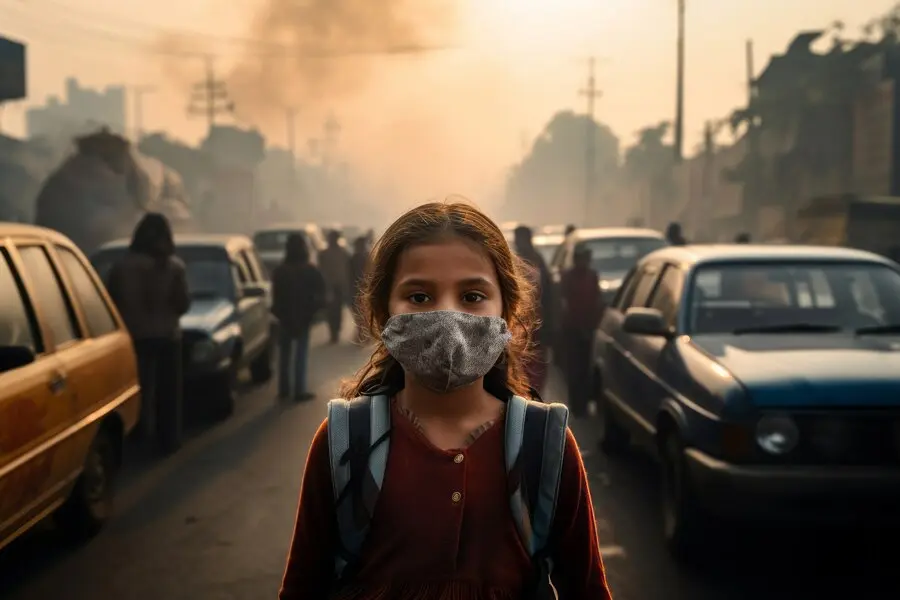
New Delhi, October 14: Delhi-NCR, known for its vibrant culture and bustling economy, has unfortunately gained notoriety for its severe air pollution. As the smog season approaches, it’s crucial to understand the detrimental effects of inhaling toxic air on our lungs. This article will delve into the specific ways air pollution can harm our respiratory system and highlight the importance of taking preventive measures.
Winter Air Pollution In Delhi-NCR
The air in Delhi-NCR is a dangerous mix of pollutants, including:
Particulate matter (PM): These tiny particles can penetrate deep into the lungs and cause inflammation. PM2.5, the most harmful type, can enter the bloodstream and damage various organs.
Nitrogen oxides (NOx): Released primarily from vehicles, NOx can irritate the airways and contribute to respiratory problems.
Sulfur dioxide (SO2): Produced by the burning of fossil fuels, SO2 can aggravate existing respiratory conditions like asthma.
Ozone: A secondary pollutant formed from the interaction of sunlight with other pollutants, ozone can cause chest pain, coughing, and difficulty breathing.
The Impact of Air Pollution on Lungs
Inhaling polluted air can have severe consequences for your lungs:
Inflammation and Irritation: Pollutants can trigger inflammation in the airways, leading to symptoms like coughing, wheezing, and shortness of breath. Chronic inflammation can also damage lung tissue.
Reduced Lung Function: Long-term exposure to air pollution can reduce lung capacity and impair breathing. This can make it difficult to perform daily activities and increase the risk of respiratory infections.
Increased Risk of Respiratory Diseases: Air pollution is linked to a higher incidence of respiratory diseases, including asthma, chronic obstructive pulmonary disease (COPD), and lung cancer.
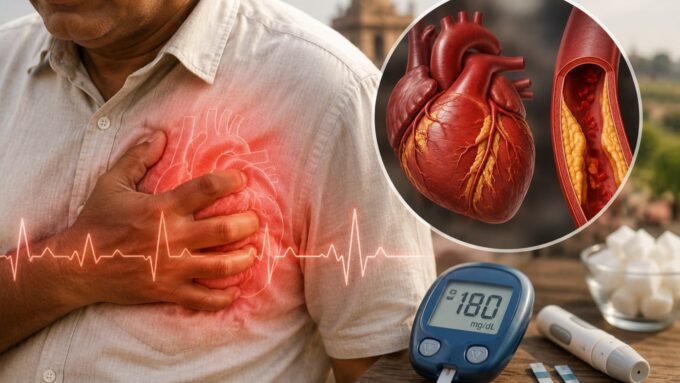
Heart Problems: Air pollution can also affect cardiovascular health, increasing the risk of heart attacks and strokes.
Protecting Your Lungs During the Smog Season
While it’s challenging to completely avoid air pollution in Delhi-NCR, several steps can help protect your lungs:
Stay Indoors: When the air quality index (AQI) is high, it’s best to stay indoors and avoid outdoor activities. Close windows and doors to minimize exposure to polluted air.
Use Air Purifiers: Investing in an air purifier with a HEPA filter can help remove harmful particles from indoor air.
Wear an N95 Mask: An N95 mask can filter out a significant portion of particulate matter. However, it’s important to ensure proper fit and use.
Avoid Outdoor Exercise: When the air quality is poor, opt for indoor workouts or postpone outdoor activities.
Monitor Air Quality: Stay informed about the AQI levels in your area and plan your activities accordingly.
Limit Vehicle Use: Reduce your reliance on vehicles and opt for public transportation, cycling, or walking when possible.
Support Clean Energy Initiatives: Advocate for policies that promote clean energy sources and reduce reliance on fossil fuels.
Addressing air pollution in Delhi-NCR requires a collective effort from individuals, government agencies, and industries. By adopting sustainable practices, reducing emissions, and implementing effective pollution control measures, we can create a healthier and more livable environment for future generations.
Remember, protecting your lungs from the harmful effects of air pollution is essential for your overall health and well-being.















Leave a comment