New Delhi, 09 January, 2026: As winter lingers and air quality fluctuates, Delhi is witnessing a noticeable surge in flu-like illnesses, overwhelming clinics and hospitals across the capital. Doctors report a sharp rise in patients complaining of fever, sore throat, persistent cough, body aches, and extreme fatigue, prompting concerns about seasonal influenza, viral infections, and their interaction with pollution and weather changes.
While flu outbreaks are common during seasonal transitions, health experts warn that Delhi’s environment, lifestyle, and delayed care-seeking behavior are worsening the impact this year.
What Is Driving the Delhi Flu Surge?
According to doctors, the current flu wave in Delhi is being driven by a combination of viral infections, including seasonal influenza, respiratory syncytial virus (RSV), adenovirus, and post-viral complications. These viruses spread rapidly in crowded urban settings, especially when temperatures fluctuate between cold mornings and warmer afternoons.
Key contributing factors include:
- Sudden weather changes weakening immune responses
- High air pollution levels, which irritate the respiratory tract
- Crowded public spaces like metros, offices, and schools
- Low mask usage post-pandemic
- Delayed medical attention, allowing infections to worsen
Doctors note that flu viruses thrive in cooler conditions, and dry air makes nasal passages more vulnerable to infection.
Common Symptoms Being Reported in Delhi
While symptoms vary from person to person, the most commonly reported complaints include:
- High or low-grade fever
- Dry or productive cough
- Sore throat and hoarseness
- Runny or blocked nose
- Headache and sinus pressure
- Body aches and joint pain
- Fatigue lasting 7–14 days
In some cases, patients are also reporting:
- Chest tightness
- Shortness of breath
- Persistent weakness even after fever subsides
Doctors warn that flu symptoms lasting beyond 5–7 days or worsening suddenly may signal complications.
How Pollution Is Making the Flu Worse
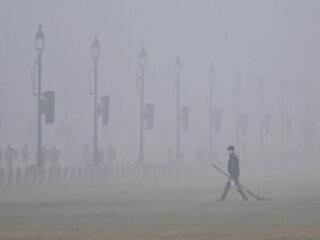
Delhi’s air pollution plays a critical role in intensifying flu symptoms. Pollutants such as PM2.5 and nitrogen dioxide damage the lining of the airways, making it easier for viruses to penetrate and harder for the body to fight infection.
Health impact of pollution during flu season:
- Increased inflammation of airways
- Reduced lung immunity
- Higher risk of bronchitis and pneumonia
- Prolonged cough and breathing difficulty
People with asthma, COPD, allergies, and heart disease are especially vulnerable. Doctors report that many flu patients in Delhi require longer recovery periods due to pollution exposure.
Who Is at Highest Risk?
Certain groups are more likely to develop severe flu-related complications:
Children
- Immature immune systems
- Higher risk of dehydration and fever-related complications
Elderly
- Weaker immunity
- Higher chance of pneumonia and hospitalization
Pregnant Women
- Increased risk of severe illness
- Flu can affect both mother and fetus
People with Chronic Conditions
- Asthma, diabetes, heart disease
- Weakened ability to fight infections
Doctors advise these groups to be extra cautious and seek early medical care.
When Does the Flu Become Dangerous?
While most flu cases resolve on their own, complications can occur if the infection spreads to the lungs or weakens the body’s defenses.
Warning signs include:
- Fever lasting more than 3 days
- Difficulty breathing or chest pain
- Bluish lips or fingertips
- Confusion or drowsiness
- Severe weakness or dehydration
In children, red flags include:
- Rapid breathing
- Poor feeding
- Lethargy
Immediate medical attention is essential in these cases.
Treatment: What Doctors Recommend
Medical Care
Most flu cases are treated with:
- Rest and hydration
- Fever-reducing medicines
- Cough and cold medications
Antibiotics are not effective against viral flu and are prescribed only if bacterial infection is suspected.
In high-risk patients, doctors may prescribe antiviral medications, which work best when started early.
Home Care Tips for Faster Recovery
Doctors suggest the following to support recovery:
- Drink warm fluids to stay hydrated
- Take adequate rest
- Use a humidifier to ease breathing
- Gargle with warm salt water
- Avoid smoking and pollution exposure
- Eat nutrient-rich foods
Avoid self-medicating or mixing multiple cold remedies without guidance.
Prevention: How to Protect Yourself During the Delhi Flu Wave
Wear a Mask
Especially in crowded places or when pollution levels are high.
Practice Hand Hygiene
Wash hands frequently and avoid touching your face.
Improve Indoor Air Quality
Use air purifiers and ventilate rooms when AQI allows.
Get the Flu Vaccine
Annual influenza vaccination significantly reduces severe illness and complications.
Prioritize Sleep and Nutrition
A strong immune system is your best defense.
Should You Be Worried?
Health experts emphasize that panic is unnecessary, but awareness is crucial. The current flu wave is manageable with early care, preventive measures, and responsible behavior.
Ignoring symptoms, continuing to work while ill, and exposing others can prolong the outbreak.
The Delhi flu surge is a reminder of how closely health is tied to environment, immunity, and timely care. While most cases are mild, pollution, weather changes, and lifestyle factors are making recovery slower and symptoms more severe for many residents.
By recognizing early symptoms, protecting vulnerable groups, and following preventive steps, Delhi residents can reduce the impact of the flu season and protect both themselves and their communities.
If symptoms persist or worsen, doctors strongly advise not to delay medical consultation—early treatment can prevent serious complications.