

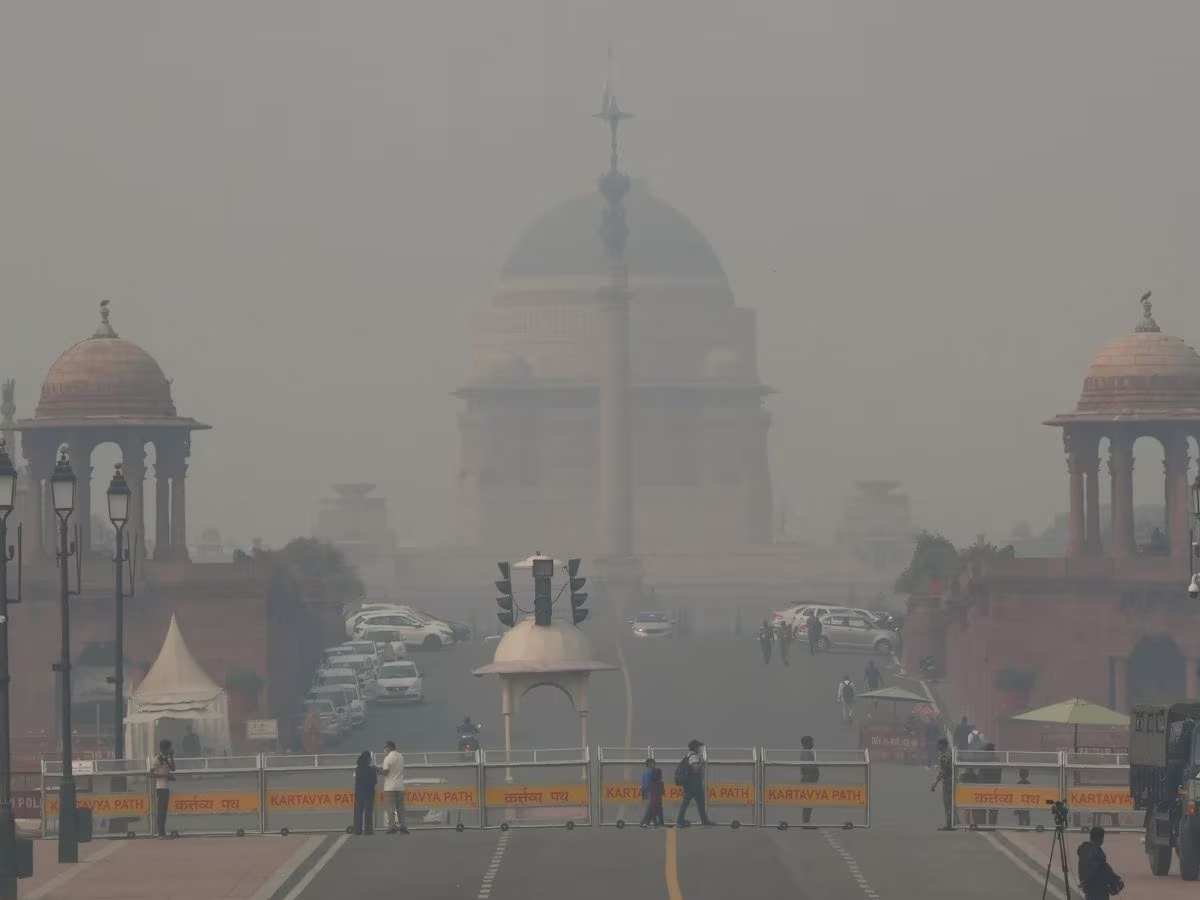
New Delhi, 08 November 2024: Delhi is facing a serious challenge with increasing air pollution levels, especially during the winter season. The Air Quality Index (AQI) often hits hazardous levels, which raises significant health alarms for its residents. Why should we be worried about this? For starters, the toxic smog can lead to a range of respiratory issues that are already widespread in the city. Moreover, those most vulnerable, such as children and the elderly, are heavily impacted by declining air quality. Research also suggests that ongoing exposure to polluted air heightens the risk of heart attacks. The financial strain from healthcare costs linked to pollution-related sickness is considerable. Thus, comprehending how toxic smog affects heart health is vital for public awareness and preventive steps. So, how can residents shield themselves from these health hazards? By staying informed and taking the right precautions, they can lessen the negative effects of air pollution on their health.
The Current State of Delhi’s Air: Understanding AQI Levels
The Air Quality Index (AQI) is crucial for monitoring pollution levels in Delhi. It measures from 0 to 500, where values above 300 are deemed hazardous. These days, Delhi’s AQI often hovers between 300 and 500, especially during winter when stubble burning in neighboring areas intensifies the smog. This hazardous blend of pollutants includes particulate matter (PM2.5 and PM10), nitrogen dioxide, and sulfur dioxide, all of which pose serious health threats.
What Is Causing Increasing AQI?
Various factors contribute to the declining air quality in Delhi. The main culprits are industrial emissions, vehicle exhaust, construction dust, and seasonal stubble burning. The growing number of construction projects and vehicles on the road has made the situation worse. Additionally, during the winter, low temperatures and still air trap pollutants, worsening the complete smog scenario.
Health Risks Linked to Toxic Smog: Respiratory Problems
Breathing in toxic smog can trigger immediate respiratory issues like asthma, bronchitis, and other chronic lung conditions. Fine particulate matter can deeply embed in the lungs, causing inflammation and compromising lung function, especially for vulnerable groups like children and the elderly, whose respiratory systems are more easily affected by pollutants.
Heart Health Hazards
There’s considerable research linking air pollution to heart disease. Long-term exposure to toxic smog can raise the chances of heart attacks and strokes. Pollutants can enter the bloodstream, causing systemic inflammation, increased blood pressure, and damage to arteries. This risk is especially critical for those with existing heart conditions, highlighting the need for extra caution on days when pollution peaks.
Staying updated on AQI levels is one of the best ways to tackle health risks from air pollution. Residents should frequently check reliable sources for air quality updates and take action on days with high pollution levels.
To limit exposure to toxic smog, individuals can implement several protective measures. Using indoor air purifiers, wearing specialized masks to filter out particulate matter, and avoiding outdoor activities during peak pollution times can significantly lower health risks. Additionally, leading a healthy lifestyle with regular exercise and a balanced diet can enhance the immune system and overall health.
The government acknowledges the urgent need to tackle air pollution in Delhi. Programs like the Graded Response Action Plan (GRAP) and odd-even vehicle restrictions are introduced to decrease vehicular emissions. However, these initiatives depend heavily on effective execution and public cooperation for success.

















Leave a comment