

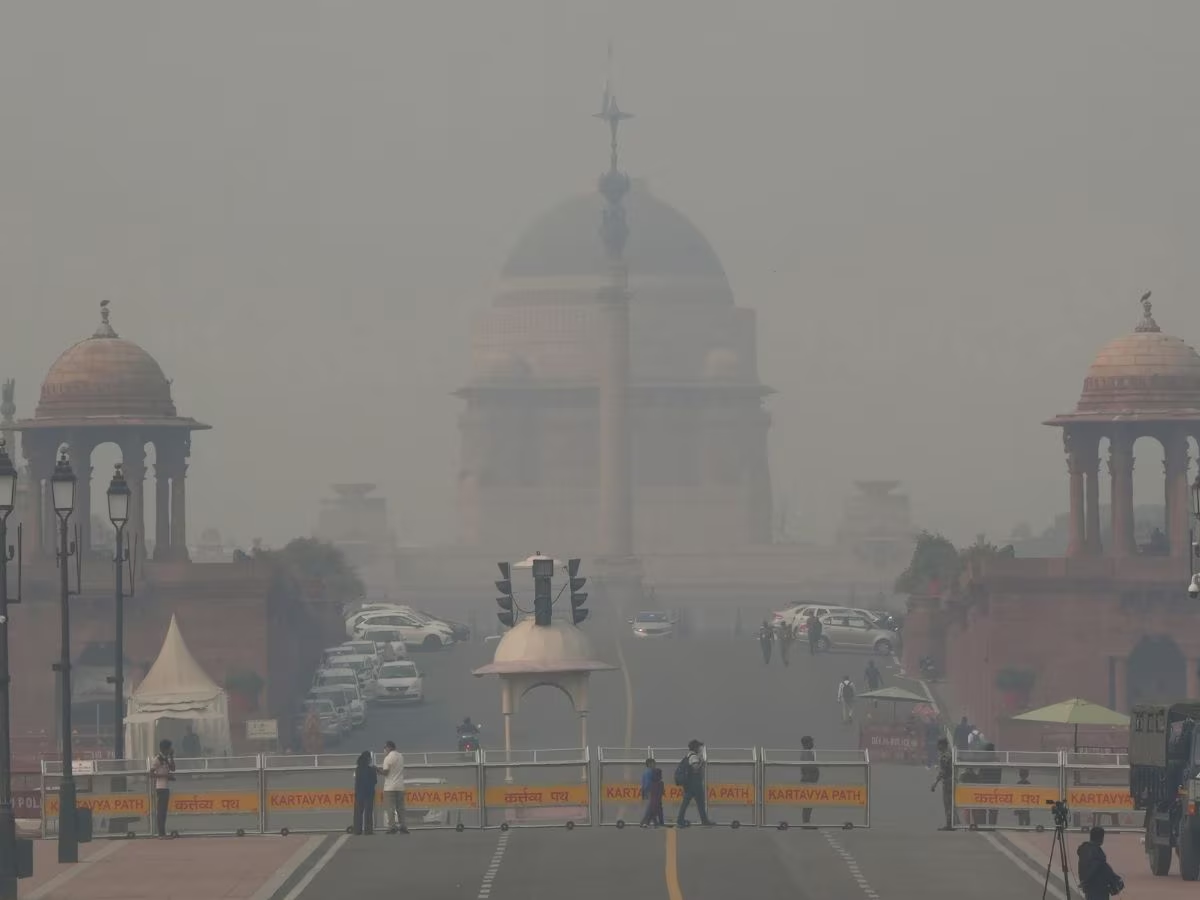
New Delhi, 17 November 2024: Delhi is currently struggling with dangerously high levels of air pollution, especially during the winter months. This worsening situation can be linked to a variety of sources like vehicle emissions, industrial waste, and crop burning in surrounding states. The toxic haze enveloping the city poses serious health threats, particularly for heart health. Research and expert analyses underscore the alarming effects of breathing polluted air, raising pressing worries for the city’s residents.
The Impact on Heart Health
Cardiologist Dr. Anjali Sharma highlights the harmful effects that polluted air can have on our hearts. She notes that breathing in high levels of pollutants and fine particulate matter can lead to inflammation and oxidative stress. Such conditions can cause heart-related problems like high blood pressure, heart attacks, and strokes. It’s critical for Delhi’s residents to be aware of these dangers, especially as they navigate through thick smog every day.
Why Does Air Pollution Affect the Heart?
Pollution takes a significant toll on heart health through various avenues. Fine particulate matter (PM2.5) can infiltrate deep into the lungs and eventually enter the bloodstream. Once there, these particles can trigger systemic inflammation, a major risk factor for heart disease. Furthermore, pollutants can cause arterial plaque formation, narrowing blood vessels and increasing the risk of heart attacks. Dr. Sharma’s insights reveal the harsh reality of how breathing toxic air can harm heart function directly.
While inflammation is the body’s natural response to harmful substances, persistent exposure to air pollution leads to chronic inflammation, which can severely damage heart health. Dr. Sharma explains that continued exposure to smog can contribute to persistent inflammatory conditions, worsening existing heart issues or even creating new ones. This underscores the need to tackle air quality issues to protect public health.
Who Is At Risk?
Certain individuals face heightened risks from air pollution. Elderly people, children, and those with existing health conditions such as asthma or heart disease are particularly vulnerable. Dr. Sharma suggests that these groups take special care, especially on days when pollution hits its peak. Staying indoors, using air purifiers, and wearing masks can help lessen the dangers posed by poor air quality.
Delhi Air Pollution: How to Protect Yourself
To safeguard heart health amid rising pollution levels, adapting healthier lifestyle choices is encouraged. Dr. Sharma advises engaging in regular cardiovascular exercise, maintaining a diet rich in antioxidants, and staying well-hydrated. These practices can bolster the heart against the adverse effects of pollution. Keeping an eye on daily air quality reports can also help individuals plan their outdoor activities and reduce their exposure to harmful pollutants.
Delhi Air Pollution: What Is Govt Doing?
Acknowledging the seriousness of the air pollution crisis, the government has launched several initiatives to tackle the problem in Delhi. Steps like the Graded Response Action Plan (GRAP) and odd-even vehicle rationing during high pollution days are positive moves. However, experts assert that broader and more sustainable strategies are necessary to address the root causes of air pollution effectively.
How To Stay Aware of Air Pollution Impact?
Community awareness is vital in the fight against air pollution. Public education campaigns focused on the health risks linked to poor air quality can empower citizens to take proactive steps. Dr. Sharma believes that well-informed individuals are more inclined to advocate for cleaner air policies and adopt healthier lifestyles.
To conclude with, the toxic smog enveloping Delhi is more than just an environmental issue; it represents a public health crisis that requires urgent action. As Dr. Sharma points out, the stakes for heart health are serious and alarming. It is crucial for both individuals and authorities to collaborate in improving air quality and ensuring public well-being.
















Leave a comment