

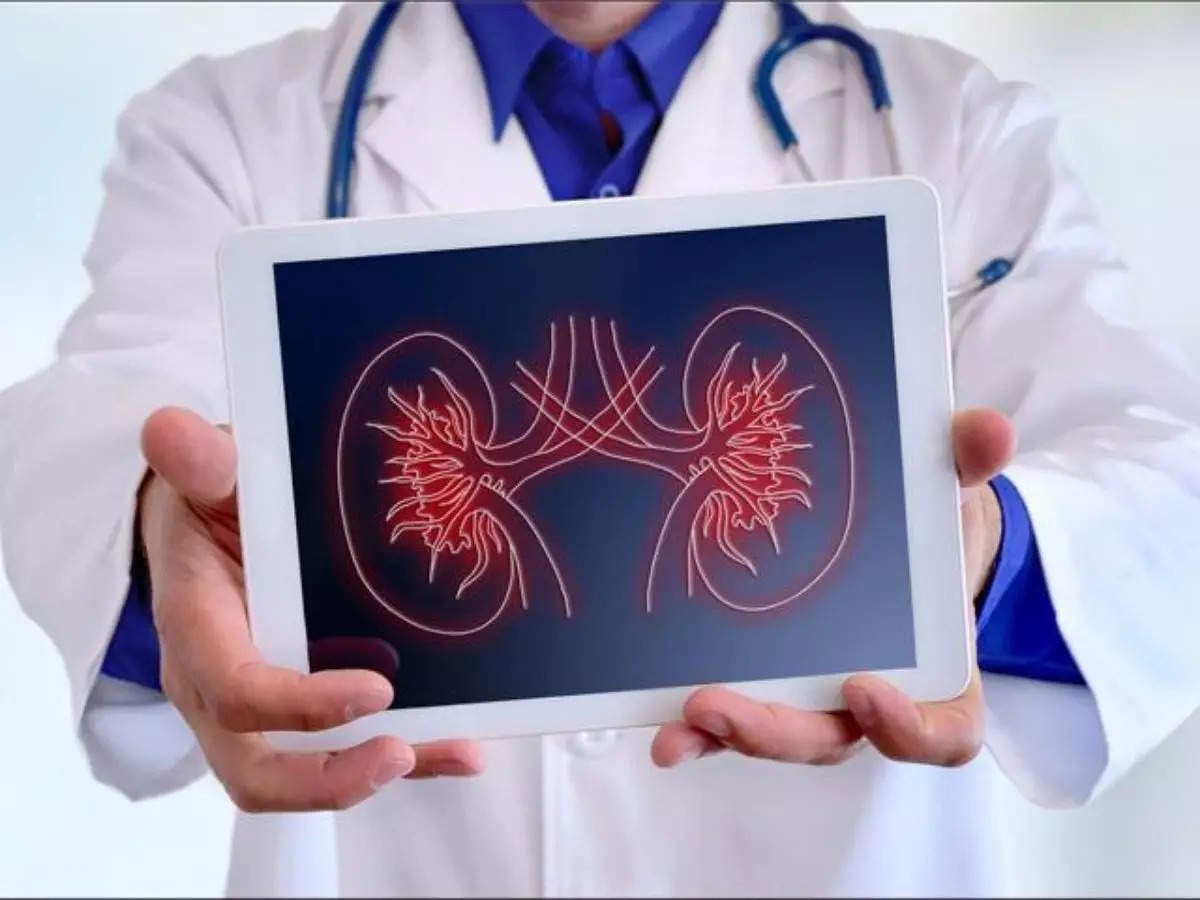
New Delhi, 27 August 2025: As we age, our organs may subtly lose their efficiency—and the kidneys are no exception. Recent research reveals that even modest declines in kidney performance among older Asians are linked to a significantly elevated risk of dying from heart-related conditions. This finding underscores just how intertwined kidney and cardiovascular health truly are—and how early kidney monitoring can save lives.
The Hidden Marker: Kidney Health and Heart Risk
Kidney function is typically measured using the estimated glomerular filtration rate (eGFR), calculated through blood markers like creatinine or cystatin C. A declining eGFR is widely recognized as a sign of progressing chronic kidney disease (CKD). However, what many might not know is the extent to which this decline amplifies cardiovascular mortality risk—especially in older adults.
In study findings from several Asian populations, older individuals with even moderate reductions in kidney function faced a disproportionate rise in cardiovascular deaths. The trend held even when traditional risk factors—like hypertension, diabetes, and high cholesterol—were controlled for. In short, weakened kidneys appear to act as an independent predictor of fatal heart events.
Why This Matters for the Elderly
- Kidney Decline Often Goes Unnoticed
Unlike pain or noticeable symptoms, diminishing kidney function can sneak up silently. Many older individuals may feel perfectly fine while their kidneys are quietly faltering—a threat lurking beneath the surface yet critically impactful. - Early Stages, Huge Consequences
The study revealed that cardiovascular risk begins to climb even before kidney disease reaches its most severe stages. This amplifies the importance of recognizing and responding to early signs—before they become emergencies. - Interconnected Organs
The heart and kidneys share a complex, bidirectional relationship. When kidney function falls, it can accelerate cardiovascular decline, and vice versa. This mutual impact underscores the concept of “cardiorenal syndrome”—a clinical overlap where dysfunction in one organ begets problems in the other.
While specific numerical values were not disclosed, the trend is clear: in elderly Asian cohorts, any measurable drop in eGFR corresponded with a steeper increase in heart-related deaths. This relationship persisted even after discounting prevalent cardiovascular risk factors.
One marker, cystatin C, proved especially telling. Elevated levels were linked not only to kidney impairment, but also served as a stronger predictor of cardiovascular mortality than traditional markers like creatinine-based eGFR alone. This makes cystatin C a valuable early warning tool when monitoring vulnerable seniors.
Taking Action: What It Means for You or Your Loved Ones
1. Screening Is Non-Negotiable
Regular kidney check-ups—especially for those over 60, with hypertension, diabetes, or high cholesterol—are critical. Testing both eGFR (via creatinine or cystatin C) and urine albumin levels can uncover early issues before they escalate.
2. Adopt Kidney-Friendly Lifestyle Practices
- Maintain healthy blood pressure and blood sugar levels.
- Limit salt and processed food intake.
- Stay hydrated (while monitoring fluid restrictions if present).
- Include plant-based, kidney-conscious proteins in your diet.
- Avoid excessive use of NSAIDs and certain over-the-counter pain meds, which can harm kidney function.
3. Partner with Your Physician
For seniors showing early decline—asymptomatic or not—timely intervention can slow progression. This may involve dietary guidance, medication adjustments, or more frequent follow-ups, all tailored to safeguard both kidney and heart health.
4. Raise Awareness About the Kidney-Heart Link
Understanding that kidneys play a crucial role in cardiovascular outcomes is essential—especially given how often kidney status is overlooked in general screenings or consultations for heart-related issues alone.
A Broader Shift: Integrating Kidney Care Into Heart Health
This research adds weight to a growing priority in medicine: shifting from organ-specific treatment to a holistic, interconnected approach. Clinics and health providers are being encouraged to adopt more collaborative models—where concerns about heart or kidneys are addressed together.
The take-home message: One abnormal lab result shouldn’t remain siloed. Declining kidney function in the elderly is not a side note—it’s a flashing signal warning of increased vulnerability to fatal cardiac events.
| Factor | Takeaway |
|---|---|
| Early kidney decline | Smaller drops in eGFR are linked with higher cardiovascular death risk in elderly Asian populations. |
| Screening value | Cystatin C may outperform creatinine-based measurements in predicting cardiovascular mortality. |
| Prevention matters | Diet, medications, and regular monitoring can protect both kidney and heart health. |
| Care integration | Holistic health models that unify kidney and heart monitoring could save more lives. |
| Action point | You don’t need symptoms to act—aging kidney function requires attention now, not later |
Key Highlights And Takeaways
Kidneys and heart health are inextricably connected—and the stakes are highest for older individuals. Letting subtle kidney decline go unchecked isn’t just a missed detail—it could be a missed lifeline.
For older adults and their caregivers, this means regular kidney screening isn’t optional—it’s essential. And for healthcare systems, it means redesigning care to treat interconnected systems, rather than isolated organs.
Because when kidneys weaken, hearts can fail—and early intervention could be the difference between lifespan and decline. Start the conversation today.















Leave a comment