

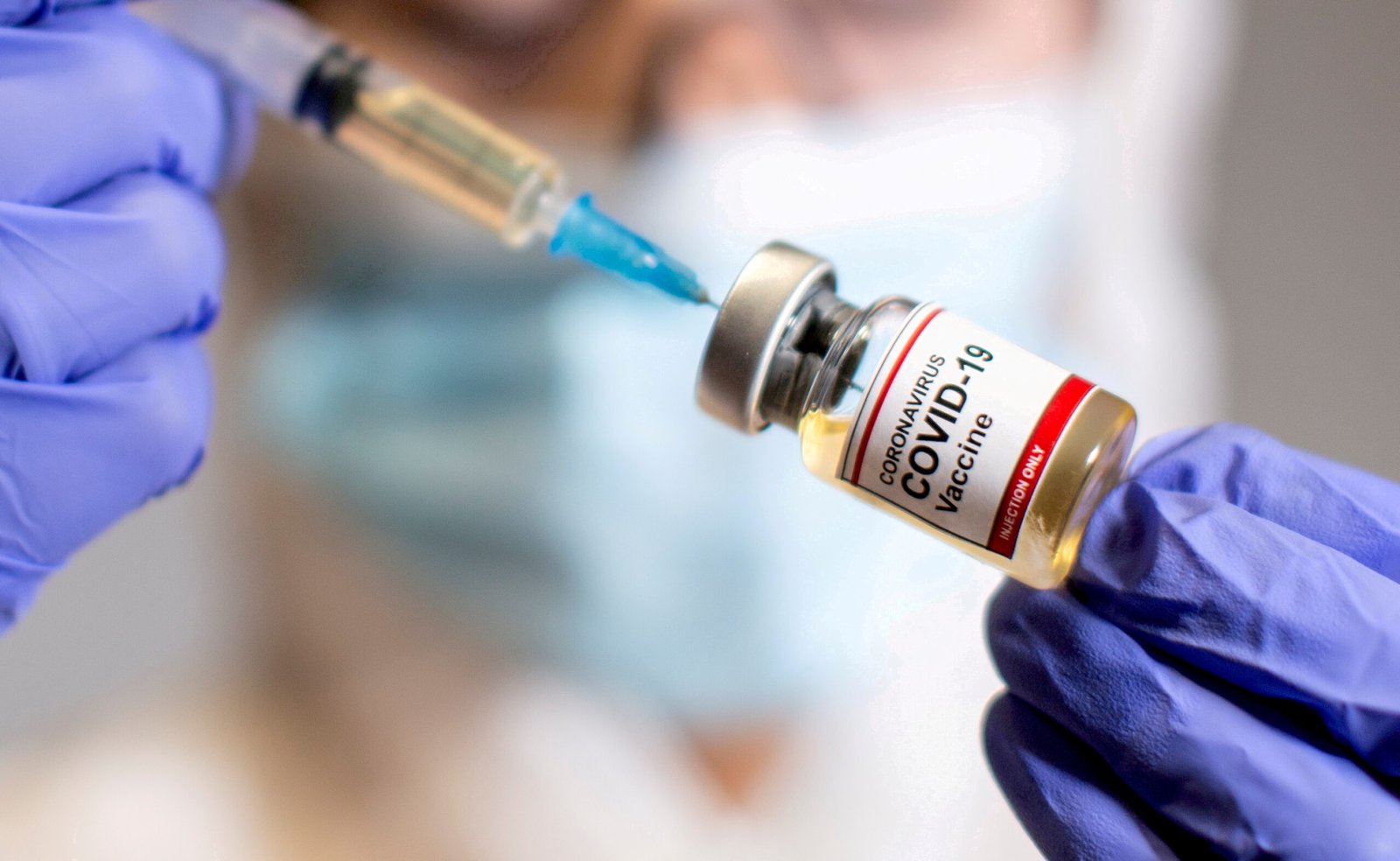
New Delhi, 30 September, 2025: A recent study has raised concerns by suggesting a possible association between COVID-19 vaccination and an increased risk of developing certain types of cancer. The findings have triggered widespread discussions, but health experts caution that the results should not be taken at face value.
While the study has gained global attention, many scientists highlight that its conclusions remain controversial, inconclusive, and require further investigation. Here’s a breakdown of what the research claims, why experts are skeptical, and what this means for public health.
What the Study Found
The analysis looked at health records of millions of adults over a two-year period and compared cancer diagnoses in vaccinated versus unvaccinated individuals. The study reported an apparent rise in six types of cancer among vaccinated people:
- Thyroid cancer
- Gastric (stomach) cancer
- Lung cancer
- Prostate cancer
- Breast cancer
- Colorectal cancer
The data also suggested that the increase was more pronounced in older adults, particularly those above 65 years of age.
According to the findings, individuals who had received mRNA vaccines seemed to show higher association levels than those who received other types of COVID-19 vaccines.
Why the Findings Are Controversial
Despite the headlines, many scientists argue that this study does not provide proof that vaccines cause cancer. Several limitations have been pointed out:
1. Cancer Takes Years to Develop
Most cancers take many years—even decades—to develop. Suggesting that a vaccine given within the last three years could directly cause cancer diagnoses goes against established biological understanding.
2. Association Does Not Mean Causation
The study is observational in nature. This means it can only show correlation, not causation. Many factors, such as age, pre-existing conditions, lifestyle, or differences in healthcare access, could have influenced the results.
3. Screening and Detection Bias
Vaccinated people may have engaged more with healthcare systems during the pandemic, undergoing routine check-ups and screenings. This could have led to higher cancer detection rates—not necessarily higher cancer incidence.
4. No Biological Mechanism Provided
The study did not explain how a COVID-19 vaccine could biologically trigger cancer. Without such a mechanism, the claim remains speculative.
5. Contradicts Previous Data
Millions of people worldwide have received vaccines since 2020. So far, large-scale trials, safety monitoring systems, and cancer registries have not shown credible links between vaccination and cancer.
What Experts Emphasize
Medical professionals stress the importance of interpreting these results with caution. Observational data can raise questions, but it cannot establish direct cause and effect. Large, long-term studies are needed to confirm or dismiss such findings.
They also highlight that the benefits of vaccination outweigh potential risks. COVID-19 vaccines have prevented countless hospitalizations, severe illnesses, and deaths since their rollout.
Public Concerns: Sorting Fact From Fear
It’s natural for people to feel worried when such studies make headlines. However, here are a few key points to keep in mind:
- Cancer risk is complex: It depends on genetics, lifestyle, environment, and age. No single factor alone is usually responsible.
- Vaccines are under constant monitoring: Health authorities across the globe track side effects and update guidelines if risks are proven.
- Preventive care is vital: Regardless of vaccination status, regular health check-ups, screenings, and lifestyle management are crucial for reducing cancer risk.
Understanding How Cancer Really Develops
Cancer occurs when genetic mutations cause cells to grow uncontrollably. Factors such as smoking, alcohol, obesity, infections, radiation, and family history play significant roles.
Vaccines, by contrast, are designed to train the immune system to recognize and fight infections. There is currently no established biological pathway showing how mRNA or other COVID-19 vaccines could directly cause cancer.
Why Such Studies Still Matter
Even though the findings are debated, research like this serves a purpose:
- It encourages more rigorous safety evaluations.
- It ensures public transparency in scientific reporting.
- It highlights the need for long-term follow-up studies on vaccines.
Scientific inquiry is an ongoing process, and questioning does not automatically mean danger. It means researchers are constantly evaluating and learning.
Should You Be Worried?
Current medical consensus says no, people should not panic. The study does not prove that vaccines cause cancer, and the data has several limitations. Instead, experts recommend:
- Continuing with recommended vaccination schedules.
- Staying consistent with cancer screenings such as mammograms, colonoscopies, and thyroid checks.
- Maintaining a healthy lifestyle—balanced diet, exercise, avoiding smoking and excess alcohol.
- Consulting a healthcare provider for personalized advice.
Moving Forward
The debate around this study highlights a recurring challenge in science: how early findings are communicated to the public. While research into vaccine safety should continue, sensational interpretations without context can fuel unnecessary fear.
The larger body of evidence still supports that COVID-19 vaccines are safe, effective, and life-saving. At the same time, continued monitoring and transparency remain essential for maintaining public trust.
The recent study linking COVID-19 vaccines with certain cancers has opened an important discussion but does not provide conclusive evidence. For now, the best approach is to remain informed, follow medical guidance, and continue preventive healthcare practices.
Vaccines remain one of the strongest tools we have against infectious diseases, and cancer prevention continues to rely on early detection, healthy living, and ongoing medical research.

















Leave a comment