

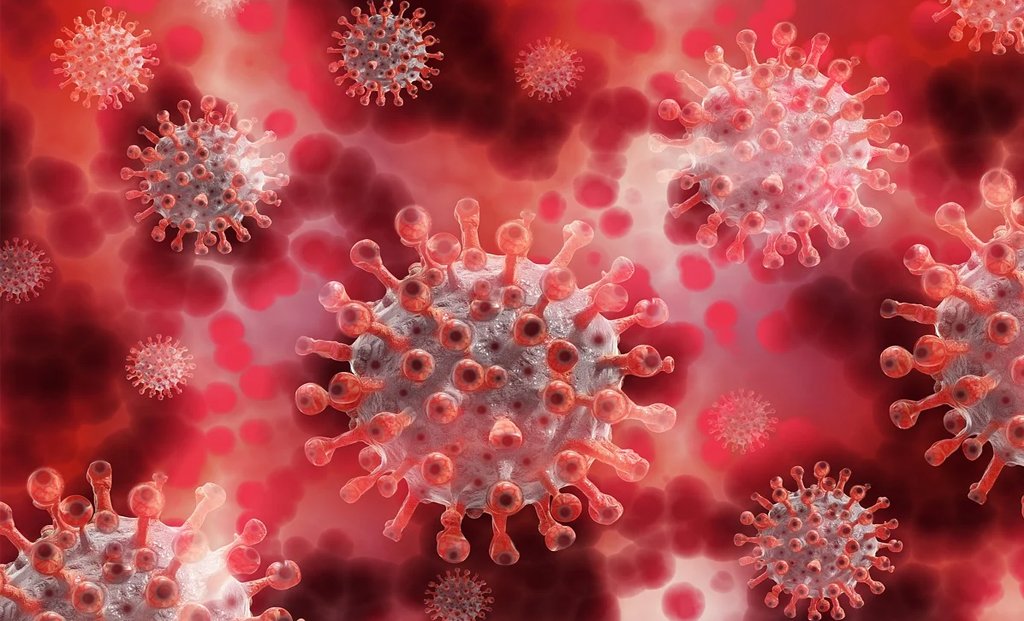
New Delhi, 04 December 2024: The origins of the COVID-19 pandemic and the efficacy of measures like social distancing have been subjects of intense debate since the virus first emerged in late 2019. A recent report by a parliamentary select committee has reignited discussions, concluding that the COVID-19 virus “most likely” leaked from a laboratory in Wuhan, China. The report also challenges the scientific basis of widely implemented social distancing measures during the pandemic’s peak.
Origins of COVID-19: The Wuhan Lab Hypothesis
Since the early days of the pandemic, there have been competing theories about how the SARS-CoV-2 virus originated. Some experts argue that the virus naturally jumped from animals to humans, likely through a wet market in Wuhan. Others suggest it may have accidentally leaked from the Wuhan Institute of Virology (WIV), a facility known for conducting research on coronaviruses.
The committee’s findings lean heavily toward the latter hypothesis, citing a lack of evidence to support the natural spillover theory. It highlights:
Proximity to the WIV: The outbreak’s epicenter in Wuhan coincides geographically with one of the world’s leading coronavirus research facilities.
Research Practices: Reports of lax safety protocols and gain-of-function research—experiments that enhance a virus’s infectiousness or lethality—have raised concerns about the potential for accidental release.
Delayed Transparency: The Chinese government’s initial handling of the outbreak, including withholding critical data and blocking independent investigations, has fueled suspicions about a lab-origin scenario.
The committee acknowledges that definitive proof remains elusive, largely due to limited access to information from Chinese authorities. However, it calls for continued investigations to uncover the truth and prevent future pandemics.
Social Distancing Measures: Flawed or Effective?
In addition to exploring the virus’s origins, the report questions the scientific basis of social distancing policies, which were widely adopted to curb COVID-19 transmission. Measures such as maintaining a six-foot distance, limiting gatherings, and imposing lockdowns were implemented globally with varying degrees of enforcement.
The committee argues that these measures were not always grounded in robust scientific evidence. It points to:
Arbitrary Guidelines: The six-foot rule for physical distancing, for instance, was based on historical studies of respiratory droplet transmission but lacked direct validation for SARS-CoV-2.
Inconsistent Outcomes: Countries with strict social distancing policies did not always fare better in terms of controlling the spread of COVID-19, compared to those with less stringent measures.
Economic and Social Costs: The widespread adoption of social distancing led to significant economic disruptions, mental health challenges, and educational setbacks, especially for vulnerable populations.
While the committee acknowledges that social distancing may have played a role in reducing transmission during early waves, it emphasizes the need for more data-driven and adaptive policies in future public health crises.
Broader Implications of the Findings
Accountability and Preparedness: The conclusion that COVID-19 may have leaked from a laboratory has serious implications for global biosecurity. It underscores the importance of rigorous safety standards in high-risk research facilities and transparency in scientific practices. The report calls for international oversight mechanisms to prevent similar incidents in the future.
Reassessing Pandemic Policies: The critique of social distancing measures highlights the challenges of policymaking during a rapidly evolving crisis. Governments worldwide had to rely on incomplete information, leading to decisions that were often reactive rather than proactive. The report suggests investing in better predictive modeling, data analysis, and public health infrastructure to enable more effective responses.
Restoring Public Trust: Misinformation and conflicting narratives about COVID-19 have eroded public trust in governments and health authorities. The committee’s findings aim to foster greater transparency and accountability, which are crucial for rebuilding confidence in public health policies.
COVID Outbreak: Criticism and Controversies
The report has sparked mixed reactions from experts and policymakers. Advocates of the lab-leak theory view it as validation of their concerns, while others caution against drawing conclusions without irrefutable evidence. Critics argue that focusing on the lab-leak hypothesis could divert attention from pressing issues, such as vaccine distribution and health system strengthening.
The questioning of social distancing measures has also drawn skepticism. Many epidemiologists maintain that these policies, while imperfect, likely saved lives by slowing the spread of the virus during critical phases. They warn against using the report’s findings to undermine future public health interventions.
The committee’s findings on the likely lab origin of COVID-19 and the questioning of social distancing measures add new layers to the ongoing discourse about the pandemic. While the report sheds light on potential gaps in preparedness and response, it also underscores the complexity of managing global health crises.
As the world continues to recover from the devastating impacts of COVID-19, these findings serve as a reminder of the need for vigilance, accountability, and innovation in the face of future challenges.














Leave a comment