

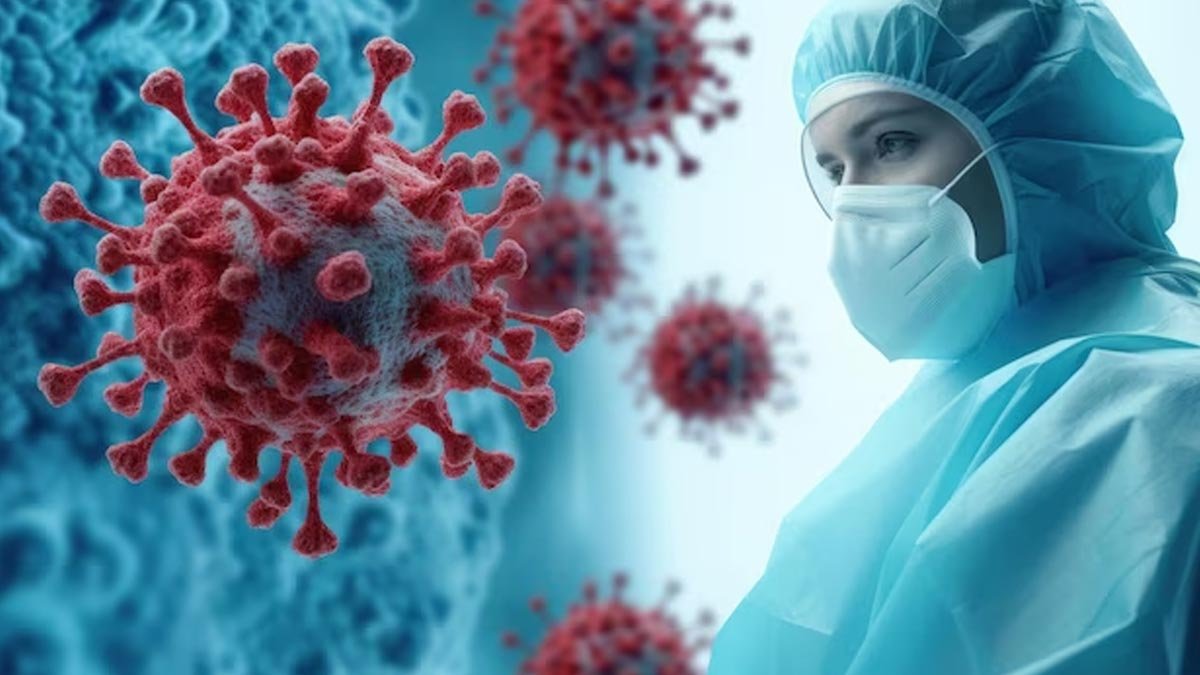
New Delhi, 25 November 2024: The COVID-19 pandemic has changed many elements of healthcare, bringing to light some unexpected opportunities. Researchers are now delving into the possibility that the virus could aid in the treatment of cancer. This article highlights five important reasons why COVID-19 might be key to developing innovative therapies for cancer, alongside insights from recent research.
Why COVID-19 Sparks a Distinct Immune Reaction
A significant factor prompting researchers to investigate the role of COVID-19 in cancer treatment is the distinct immune response it elicits. The virus triggers a strong reaction from the immune system, which could potentially be utilized to combat cancer cells. As the body fights off COVID-19, it enters a heightened state of awareness, possibly making it more adept at identifying and attacking tumor cells. This unique immune response could transform the landscape of cancer therapy.
How Cytokine Storms Might Benefit Cancer Treatment
Another intriguing aspect of COVID-19 is the occurrence of cytokine storms—instances where the immune system overreacts and releases an abundance of proteins called cytokines. Although cytokine storms can be harmful for those infected with COVID-19, researchers believe that a regulated use of this mechanism might help in cancer treatment. By encouraging the immune system in a focused way, there’s a chance to boost the body’s capacity to fight cancer while safeguarding healthy cells.
Insights from COVID-19 Methods for Cancer Therapies
The swift development of COVID-19 vaccines has shed light on valuable treatment strategies. The mRNA technology, crucial in creating effective vaccinations for COVID, is being looked at for cancer treatments as well. Researchers are exploring how mRNA can instruct the immune system to recognize and attack cancer cells, mirroring its use against the virus. This exchange of ideas between the realms of COVID and cancer therapy could spark significant advancements.
Current Studies on COVID-19’s Effects on Cancer Patients
Many clinical trials are in progress to evaluate how COVID affects cancer patients. These investigations aim to explore whether the immune responses triggered by the virus can enhance cancer treatment outcomes. Preliminary evidence suggests that some cancer patients who contracted COVID showed alterations in their tumors, creating intriguing discussions about the virus’s possible influence on cancer biology. Continued research will be vital to unravel these complex relationships and their implications for treatment.
Addressing Concerns Involving COVID-19 in Cancer Therapy
Although the prospect of using COVID in cancer treatment appears promising, several challenges must be addressed. The potential risks linked to introducing the virus in cancer therapies require careful assessment. Researchers must ensure that any therapeutic strategy does not endanger the patient’s health or result in negative effects. Implementing stringent safety protocols and thorough testing will be crucial as these innovative approaches continue to develop.
How COVID-19 Research May Transform Cancer Care
Thus, investigating COVID’s potential role in cancer treatment opens up a pioneering avenue in medical research. By comprehending the immune responses elicited by the virus, utilizing cytokine mechanisms, and leveraging advanced vaccine technologies, researchers are laying the groundwork for groundbreaking cancer therapies. While challenges persist, ongoing studies and clinical trials hold promise for a future where COVID could play a significant role in enhancing cancer treatment outcomes. The synergy between these two critical health matters may lead to breakthroughs that fundamentally reshape cancer care.
















Leave a comment