

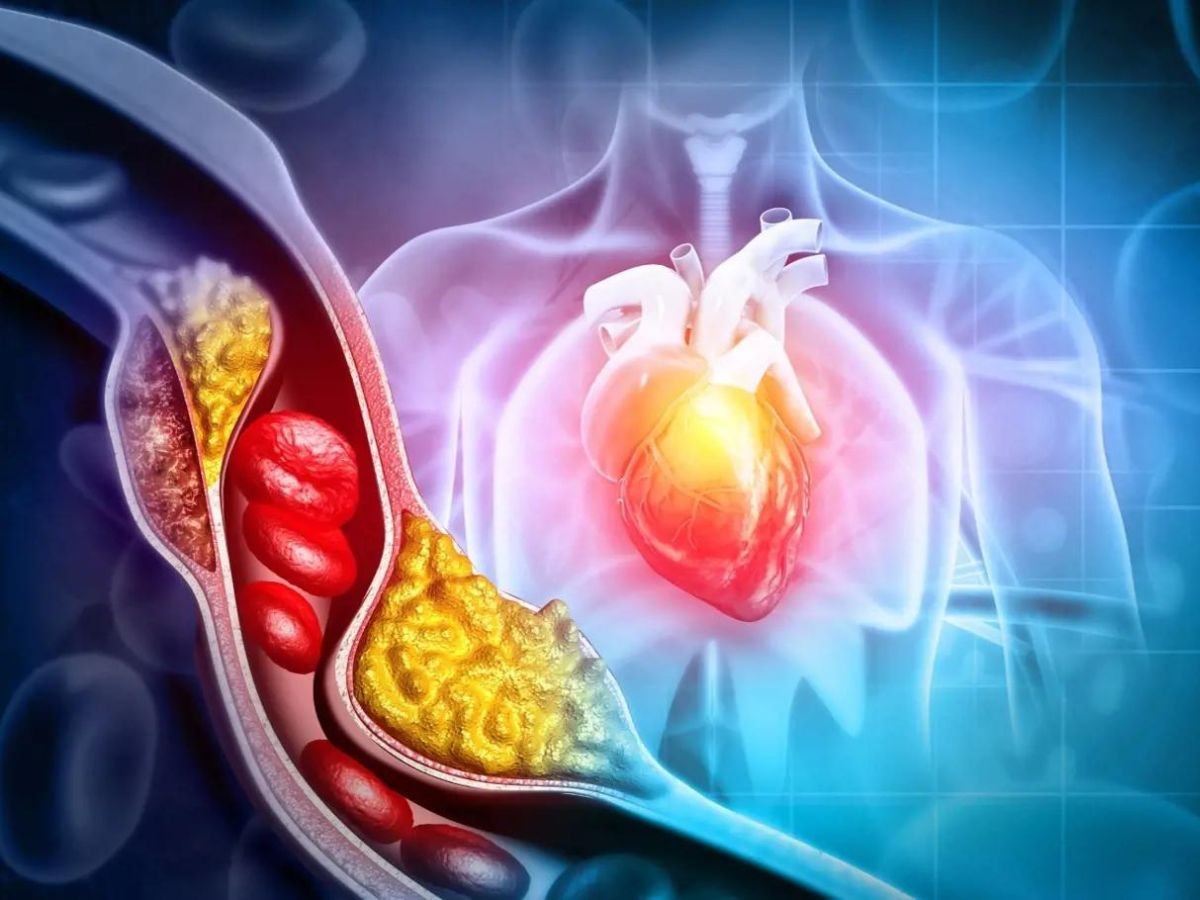
In the realm of cardiovascular health, cholesterol awareness stands as a pivotal pillar. Cholesterol, a waxy substance found in the blood, is essential for building cells and producing hormones. However, when levels become imbalanced, it can pose significant risks to heart health. The concerning aspect of high cholesterol is its often silent nature, with no overt symptoms in many cases. Nevertheless, certain signs may indicate elevated cholesterol levels and warrant attention. Let’s delve into these key symptoms that should not be ignored:
1. Chest Pain:
Chest pain or discomfort, known as angina, is a red flag often associated with cholesterol-related heart issues. It occurs when there’s reduced blood flow to the heart due to the buildup of cholesterol plaques in the arteries. Angina may manifest as pressure, tightness, or a squeezing sensation in the chest. It’s crucial to seek medical evaluation promptly if you experience such symptoms, as they could indicate an underlying heart condition.
2. Heart Attack:
A heart attack, or myocardial infarction, can occur when a cholesterol plaque ruptures and forms a blood clot, obstructing blood flow to the heart. Symptoms include intense chest pain or discomfort that may radiate to the arms, neck, jaw, or back. Other signs include shortness of breath, nausea, lightheadedness, and cold sweats. Recognizing these symptoms and seeking immediate medical assistance is crucial for minimizing damage and improving outcomes.
3. Stroke:
High cholesterol levels increase the risk of stroke, a serious condition that occurs when blood flow to the brain is interrupted. Symptoms of stroke include sudden numbness or weakness in the face, arm, or leg, especially on one side of the body. Additionally, confusion, trouble speaking or understanding speech, difficulty walking, dizziness, and severe headache may accompany a stroke. Prompt treatment is essential to prevent long-term disability or death.
4. Yellowish Deposits Around the Eyes:
Xanthelasma, yellowish deposits of cholesterol under the skin, may appear around the eyes. While these deposits themselves are not harmful, they can serve as a visible indicator of high cholesterol levels. Individuals noticing such deposits should consider consulting a healthcare professional for cholesterol screening and further evaluation.
5. Tingling Sensation:
High cholesterol can damage nerves, leading to peripheral neuropathy, a condition characterized by tingling, numbness, or weakness in the hands and feet. Peripheral neuropathy can significantly impact quality of life and may require management through lifestyle changes and medication.
6. Gallstones:
Excess cholesterol in the bile can contribute to the formation of gallstones, solid particles that form in the gallbladder. Symptoms of gallstones may include abdominal pain, particularly in the upper right abdomen, nausea, vomiting, and jaundice (yellowing of the skin and eyes). Gallstones can lead to complications such as inflammation of the gallbladder or blockage of the bile ducts, necessitating medical intervention.
7. Family History:
A family history of high cholesterol or heart disease can significantly increase an individual’s risk. If close relatives have experienced cardiovascular issues, it’s essential to prioritize cholesterol screening and adopt preventive measures, including a heart-healthy diet, regular exercise, and medication if prescribed by a healthcare professional.
In conclusion, while high cholesterol often presents no noticeable symptoms, certain signs should not be ignored. Chest pain, heart attack symptoms, stroke indicators, peripheral artery disease symptoms, Xanthelasma, tingling sensations, gallstone-related discomfort, and a family history of cardiovascular issues all warrant attention. Timely recognition and management of these symptoms can help mitigate the risks associated with high cholesterol and promote heart health. Regular cholesterol screenings, coupled with lifestyle modifications and medical intervention when necessary, are essential components of preventive care.














Leave a comment