

Chikungunya Virus Outbreak in China: What You Need to Know About the Rapidly Spreading Disease
New Delhi, 06 August 2025: A major outbreak of Chikungunya virus has recently been reported in southern China, particularly in Guangdong Province. The epicenter is believed to be the city of Foshan, where thousands of cases have been confirmed within weeks. As the number of infections crosses the 7,000 mark, health officials are scrambling to contain the virus through various public health and mosquito-control strategies.
The situation has grown so concerning that a Level 2 travel alert has been issued, advising travelers to take enhanced precautions when visiting affected areas. Several other cities, including Guangzhou, Shenzhen, Dongguan, and Zhongshan, are also reporting a rising number of cases.
What Is Chikungunya Virus?
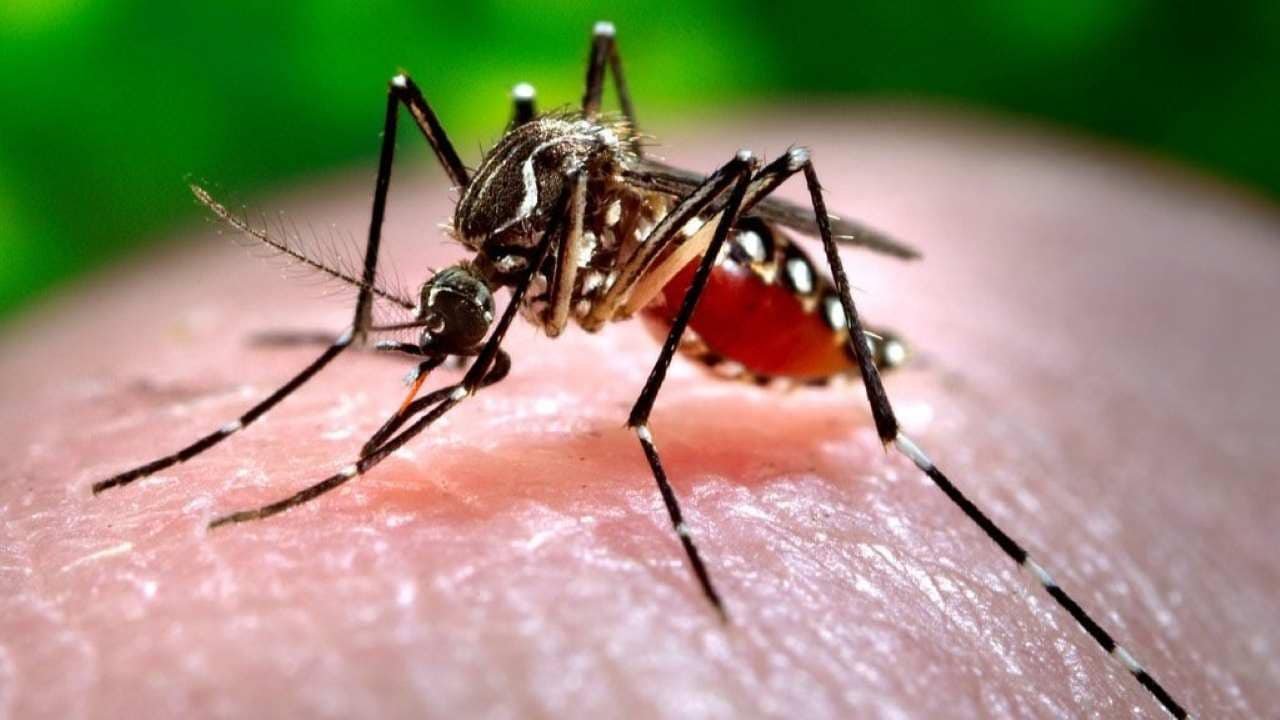
Chikungunya is a viral disease transmitted to humans by infected mosquitoes, primarily the Aedes aegypti and Aedes albopictus species. These mosquitoes are also responsible for spreading dengue and Zika viruses.
The name “Chikungunya” is derived from an African language, meaning “to become contorted,” referencing the stooped appearance of patients due to severe joint pain. The virus belongs to the alphavirus genus and the Togaviridae family.
How It Spreads
The virus spreads when a mosquito bites an infected person and then transmits it to others through subsequent bites. These mosquitoes are most active during the early morning and late afternoon hours. In areas with stagnant water and high humidity, mosquito populations thrive—leading to rapid outbreaks like the current one in China.
Climate conditions, such as heavy rains, flooding, and warm temperatures, have contributed to the perfect breeding environment for mosquitoes in the region.
Symptoms of Chikungunya
Symptoms usually begin 2 to 12 days after being bitten by an infected mosquito. The most common symptoms include:
- Sudden high fever
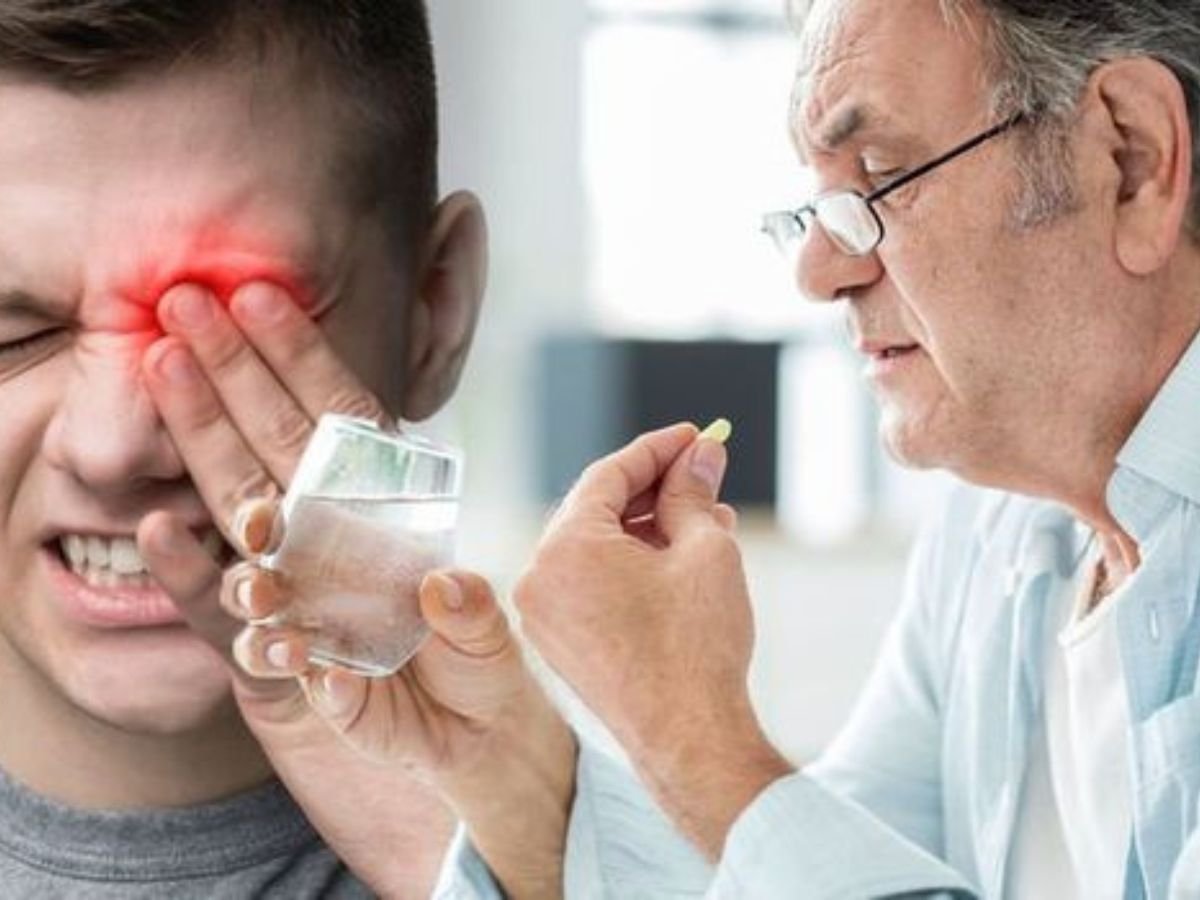
- Severe joint pain (particularly in hands, feet, knees, and wrists)
- Fatigue and exhaustion
- Headaches
- Muscle aches
- Skin rash (in about 50% of cases)
- Nausea or vomiting
- Joint swelling
Though the illness typically lasts for 5 to 10 days, joint pain can persist for weeks, months, or even years in some cases.
Who Is at Risk?
While Chikungunya is rarely fatal, it can cause severe complications in vulnerable populations such as:
- Infants
- Older adults
- People with chronic conditions like diabetes or heart disease
- Immunocompromised individuals
In such cases, complications may include neurological disorders, eye inflammation, and cardiovascular issues.
China’s Public Health Response
In response to the outbreak, authorities have implemented strict mosquito-control measures. These include:
- Eliminating standing water where mosquitoes breed
- Spraying insecticides in urban and rural areas
- Deploying mosquito larvae-eating fish in water bodies
- Using drones for aerial surveillance of mosquito hotspots
- Releasing mosquito larvae predators like the non-biting “elephant mosquito”
In addition, infected individuals are being isolated in hospitals, often under mosquito nets to prevent further spread. Community sanitation drives and public awareness campaigns are being ramped up.
Some regions have even brought back pandemic-era containment practices such as movement restrictions, door-to-door inspections, fines for maintaining breeding sites, and mandatory disinfection of public areas.
Why This Outbreak Is Spreading So Fast
Several key factors are accelerating the spread of the virus in China:
- Heavy rains and flooding during typhoon season have created ideal mosquito-breeding conditions
- Aedes mosquitoes are now thriving in urban areas due to climate changes
- High population density in affected cities enables rapid human-to-mosquito-to-human transmission
- Lack of prior exposure among local populations means low immunity to the virus
How Is Chikungunya Diagnosed and Treated?
Diagnosis is typically based on symptoms and travel history, but may be confirmed with blood tests like RT-PCR or ELISA. The disease is often confused with dengue or Zika, so proper testing is essential.
There is no specific antiviral treatment for Chikungunya. Management focuses on:
- Rest and hydration
- Pain relievers such as paracetamol
- Avoiding aspirin or NSAIDs until dengue is ruled out (to reduce bleeding risk)
- Physical therapy for long-term joint pain
Most patients recover within a week, but post-viral fatigue and joint stiffness may linger.
Is There a Vaccine for Chikungunya?
Two vaccines have recently been developed and approved in certain parts of the world. However, they are not yet widely available, particularly in Asia. The vaccines have shown promising results in clinical trials, but public access remains limited.
In China, there are currently no publicly available vaccines for the disease. Prevention and vector control remain the primary tools for managing outbreaks.
What Travelers Should Know
Travelers visiting affected regions are advised to:
- Use insect repellent with DEET or picaridin
- Wear long-sleeved clothing and pants
- Stay in air-conditioned or well-screened accommodations
- Sleep under mosquito nets if staying in open areas
- Monitor for symptoms for up to 12 days after returning
If symptoms develop, travelers should seek medical care and avoid further mosquito exposure to prevent spreading the virus locally.
Is This a Global Threat?
Chikungunya is not new—it was first identified in Africa in the 1950s—but the recent surge in cases across different continents highlights its growing global threat. Changing climate patterns, urbanization, and global travel are expanding the range of mosquito-borne diseases, making once-tropical illnesses a concern in temperate regions.
Recent years have seen outbreaks not only in Asia and Africa but also in the Americas and parts of Europe. The disease is now considered a re-emerging global health concern.
The current outbreak in China is a stark reminder of how quickly mosquito-borne diseases can spread in modern societies. Authorities are focusing on:
- Strengthening mosquito surveillance systems
- Expanding awareness among communities
- Investigating options for vaccine rollout in high-risk areas
- Collaborating with international health bodies for containment and response strategies
With no cure or widely available vaccine, controlling the vector—mosquitoes—remains the most effective strategy for now. Personal protection and environmental hygiene are essential tools in this ongoing fight.














Leave a comment