

By Saima Wazed, WHO Regional Director for South-East Asia. November 17 marks the fourth anniversary of launch of the global strategy to eliminate cervical cancer. As a public health problem and observed as Cervical Cancer Elimination Day of Action. On this year’s day of action,
Themed Elevating frontline health workers: transforming global commitments into lifesaving actions.
WHO greatly acknowledges the role that frontline health workers. Play in shaping the delivery of effective interventions for cervical cancer prevention, treatment, palliative, and survivorship care.
Cervical cancer ranked as the second most common cancers among women in the WHO South-East Asia Region with approximately 200 000 new cases occurring in 2022. Cervical cancer deaths in the Region in 2022 estimated to be 120 000. These estimates indicate that the Region carries approximately one third of the global burden of new cases and deaths due to cervical cancer.
With cervical cancer being largely preventable, WHO targets for its elimination as a public health problem with each Member country. Reaching the interim targets of vaccinating 90% of girls with the HPV vaccine by the age of 15; screening 70% of women using a high-performance test by the age of 35, and again by the age of 45; and treating 90% of women with pre-cancer and 90% of women with invasive cancer by 2030.
The Region guided by the Regional implementation framework on eliminating cervical cancer. As a public health problem 2021–2030 and the WHO South-East Asia Regional Strategy for comprehensive cancer prevention and management 2024–2030.
Several countries in the Region have made commendable strides in addressing cervical cancer. Bhutan’s health flagship project leading to attainment of the 2030 interim targets. Indonesia’s dedicated national plan for cervical cancer and high programmatic coverage for human papillomavirus (HPV) vaccination. Thailand’s Cancer Anywhere program providing free of cost care for cervical cancer at any institution convenient for the patient are some examples of effective strategies.
Additionally, six countries in the Region have introduced nationwide vaccination against HPV with additional two countries who have introduced HPV vaccine at subnational level. Seven countries have population-based screening for cervical cancer with varying coverage. And ten countries have availability of cancer centers or departments at tertiary level in the country.
Despite these initiatives, challenges persist. Vaccine supply shortages rendered less coverage of vaccination in some of the countries with existing programs. Whereas the high vaccine cost hindered initiation of nationwide vaccination in other countries. Radiation therapy services are suboptimal, and there are significant gaps in availability and access to palliative care services.
On this day of action, WHO brings to attention areas that have the potential to significantly boost cervical cancer elimination efforts and urges Member States to address them.
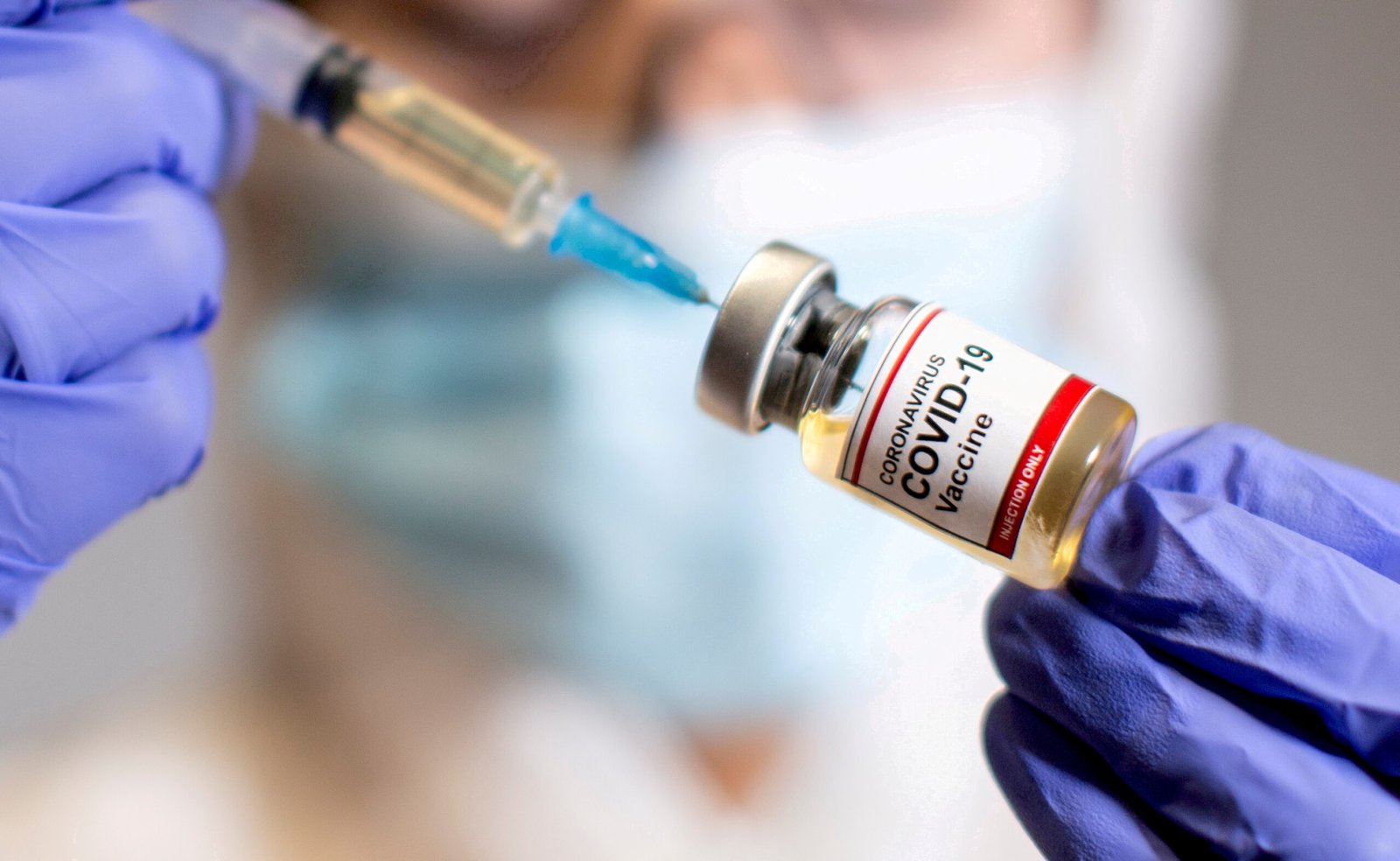
First, all countries should introduce nationwide HPV vaccination programs and increase coverage to more than 90% among adolescent girls up to age 15 years.
Single dose regimens have comparable efficacy and duration of protection as 2-dose schedule and can offer substantial program advantages by contributing to improved coverage. The countries in the Region have the potential to market shaping for HPV vaccines. Making them more affordable by contributing to development of new vaccines. Or by taking initiatives to manufacture the existing vaccines in more cost-efficient manner.
Second, the coverage of cervical cancer screening should be expanded. This can be done in phases integrating it with routine health care delivery of existing reproductive health services through primary health care system.
Investment on technology and capacity building should focus on high performance tests such as the HPV DNA based tests. And replacement of screening by visual inspection with acetic acid should be a priority.
Third, country capacity for diagnosis and management of cancers including cervical cancer should be strengthened by implementing cervical cancer management guidelines. Strengthening pathology and surgical capacity, improving access to radiotherapy and chemotherapy, and strengthening referral pathways. Cervical cancer screening and management should be included in universal health coverage benefit packages. Palliative care, psychosocial support to patient and families, end-of-life care. And survivorship care must included as integral part of comprehensive cancer care.
Read Also – Climate Change Could Cause 60% Surge in Dengue Cases by 2050: Study Warns
Our fight against this is a shared responsibility. We all – the policy makers, frontline health workers, civil society, partners, and communities – must work together to achieve the goals and interim targets for it’s elimination initiative by 2030. On this Cervical Cancer Elimination Day of Action. Let us reaffirm our commitment to ensuring that every girl and woman in our region has access to these life-saving interventions.












Leave a comment