

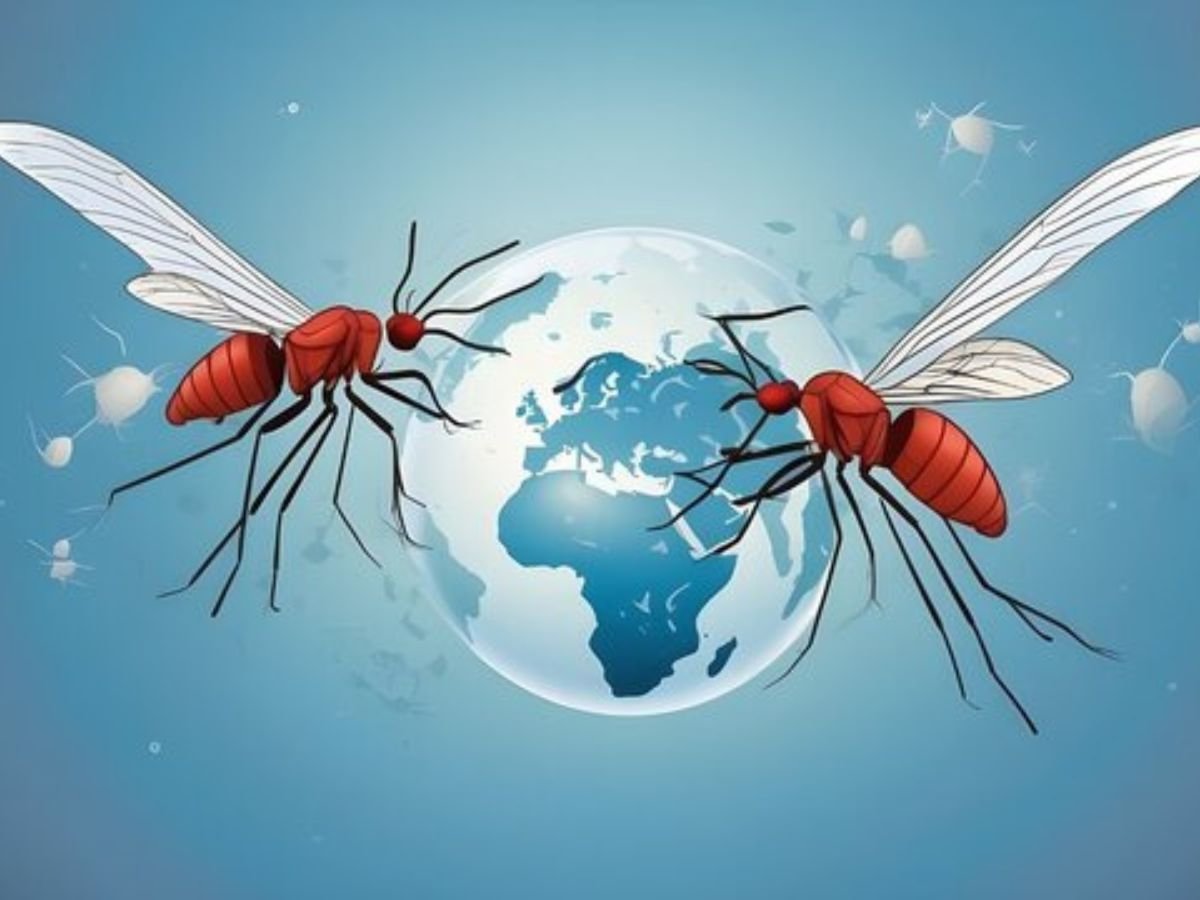
New Delhi, 18 November 2024: Climate change is becoming a crucial issue affecting public health. Research suggests that by 2050, we might see a shocking 60% increase in dengue cases worldwide. This alarming forecast prompts important questions about how our changing climate linked to the spread of infectious diseases. Why is this happening? Why should we care? Is this information important? Why is there a need for immediate action? And how can we lessen its impact? Grasping these issues is essential as we deal with the complex relationship between climate change and health.
The Current State of Dengue
The World Health Organization (WHO) reports that more than 12 million dengue cases and nearly 7,000 deaths have been documented globally as of August this year. This troubling double increase compared to last year, which itself was a record high. Historically, we saw about 2 to 3 million annual dengue cases, but this recent surge highlights a concerning trend. The rise in dengue is not just numbers; it reflects more serious underlying environmental issues.
Climate Change as a Catalyst
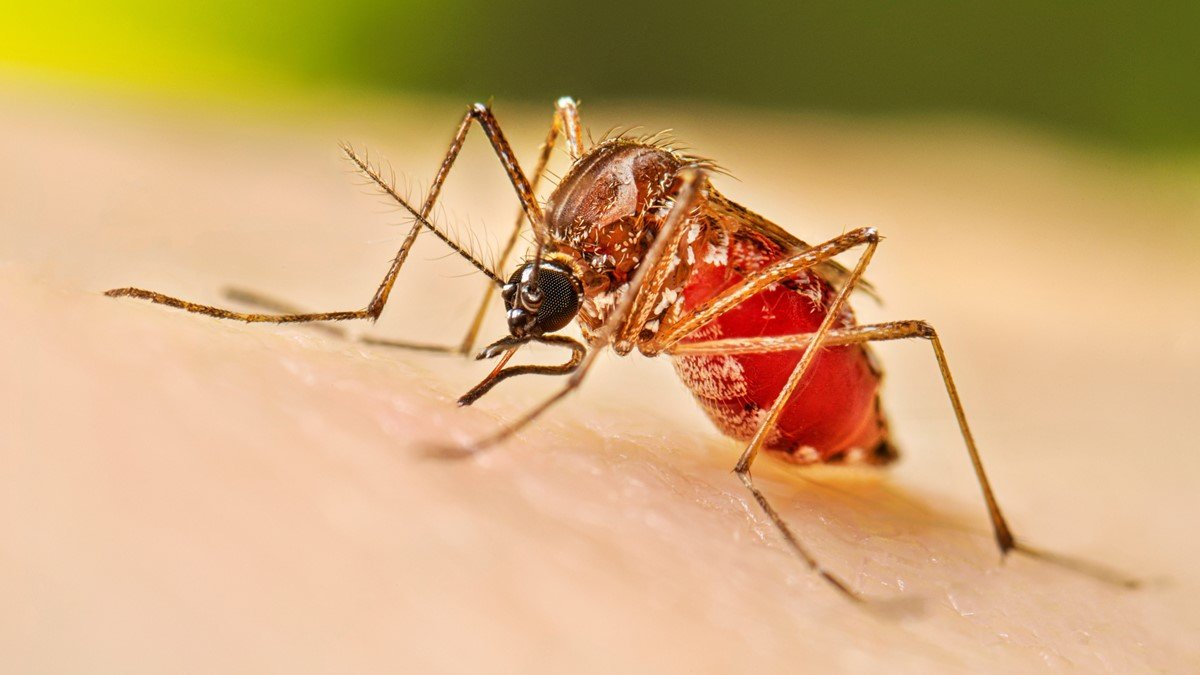
Research by the American Society of Tropical Medicine and Hygiene shows a clear link between climate change and the growing number of dengue fever cases. About 20% of current cases can be attributed to climate change, indicating how much our environment influences the spread of this mosquito-borne disease. Conditions such as higher temperatures, changing rainfall patterns, and increased humidity are creating ideal breeding environments for the Aedes aegypti mosquito, the main carrier of dengue.
The Role of Rising Temperatures
Temperature significantly impacts the life cycle of the Aedes mosquito. Warm temperatures speed up its development and boost reproductive rates. As global temperatures trend upwards due to greenhouse gas emissions, the chances for dengue outbreaks rise too. If emissions continue on their current path, we could experience a dramatic surge in dengue cases by 2050, with estimates suggesting a 60% rise. This scenario poses a serious threat to public health systems globally.
Historical Context and Future Projections
Dengue fever has traditionally found in tropical and subtropical areas. However, climate change is expanding the range of the Aedes mosquito, putting more populations at risk. WHO data shows a worrying trend: as the climate warms, previously unaffected regions may start to experience outbreaks. This shift could overload healthcare systems that unprepared for such an increase in cases, potentially leading to more illness and death.
Dengue Outbreak: The Importance of Action
The potential rise in DN cases highlights the urgent need for action. Governments, health organizations, and communities must focus on strategies to tackle the effects of climate change on health. This includes investing in measures to control mosquito populations, improving monitoring systems, and raising public awareness about DN prevention. Additionally, it’s vital to confront the root causes of climate change with policy changes and sustainable practices for long-term solutions.
Dengue Future Outbreaks: What’s Await Us?
Engaging communities is crucial in the battle against dengue. Raising public awareness about the disease and its connection to climate change can encourage proactive behaviors. Simple actions like removing standing water, using mosquito repellent, and installing window screens can significantly lower the risk of dengue transmission. Grassroots initiatives can work hand in hand with government efforts, creating a well-rounded approach to addressing this public health crisis.
Read Also – Heart Attack Prevention Tips For Men: 5 Everyday Habits That Can Damage Your Heart Arteries Permanently
The alarming projection of a 60% increase in dengue cases by 2050 due to climate change serves as a wake-up call for global health and environmental policies. As we confront the challenges of a changing climate, it’s essential to act quickly and collaboratively to mitigate these effects. By understanding how climate change and dengue linked, we can better prepare for the future and safeguard vulnerable populations from the tragic consequences of this disease. The time to act is now; our health and the health of the planet depend on it.













Leave a comment