

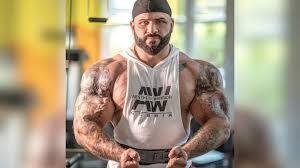
Illia ‘Golem’ Yefimchyk, a well-known Belarusian bodybuilder, tragically passed away at the age of 36 due to a heart attack. On September 6, 2024, he was taken to the hospital after falling into a coma and sadly, he died on September 11.
Despite not participating in professional bodybuilding competitions, Illia gained massive popularity on social media, sharing videos of his intense workouts. His impressive physique and 25-inch biceps earned him the nickname “The Mutant.” He followed a strict diet, consuming a staggering 16,500 calories daily, which included more than five pounds of steak and over 100 pieces of sushi spread across seven meals. He was also known for lifting heavy weights, claiming to bench press 273 kg, deadlift 318 kg, and squat 318 kg.
Why Are Bodybuilders at Risk of Heart Attacks?
Illia’s untimely death highlights a worrying trend – even younger, seemingly healthy individuals are suffering from heart attacks or collapsing during workouts. This has become more noticeable, especially after the COVID-19 pandemic.
How is it possible for someone in their 30s, who follows a strict fitness routine, to suffer a heart attack?
The answer lies in moderation, proper technique, and regular medical check-ups. While working out is great for overall health, pushing the body too far without the right precautions can be harmful.
How Does a Heart Attack Happen?
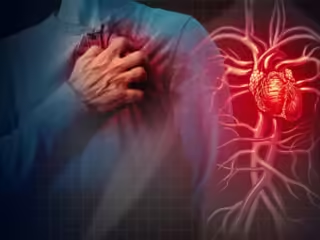
A heart attack, also known as a myocardial infarction, occurs when the blood flow to part of the heart is blocked. This usually happens due to the buildup of plaque, a mixture of fat, cholesterol, and other substances in the coronary arteries. When the blood can’t reach the heart muscle, the tissue starts to get damaged and can even die.
Several factors increase the risk of a heart attack, including high cholesterol, high blood pressure, smoking, obesity, and a sedentary lifestyle. However, even young and seemingly healthy individuals can be at risk, especially if they have underlying heart conditions or use substances like anabolic steroids.
In Illia’s case, his intense bodybuilding regimen, the possible misuse of performance-enhancing drugs, or underlying heart problems could have contributed to his heart attack. Bodybuilders may dismiss early signs of heart issues, thinking it’s just muscle soreness or fatigue, which can be a deadly mistake.
Protecting Yourself from Heart Problems
If you’re into fitness or bodybuilding, there are several steps you can take to protect yourself from heart issues.
Warm-up and cool-down: Before and after workouts, take at least 20 minutes to stretch and prepare your body.
Listen to your body: If you feel chest pain, discomfort in your joints, dizziness, a racing heartbeat, or shortness of breath, stop exercising and consult a doctor right away.
Don’t overexert yourself: Long, intense workout sessions can strain your heart. Avoid working out for extended periods without rest.
Don’t blindly follow trends: Just because something is popular on social media doesn’t mean it’s safe. Make sure you’re following proper fitness advice.
Get regular check-ups: Doctors recommend heart screenings before starting intense workout regimens. These tests can help catch any potential heart issues early on.
Focus on overall health: Eat balanced meals, stay hydrated, and get enough sleep. This will help keep your body strong and your heart healthy.
Choose low-impact exercises: Activities like brisk walking, swimming, or cycling are great for improving heart health without putting too much strain on your body.
Avoid risky substances: Don’t use supplements or performance-enhancing drugs without a prescription from a licensed doctor.
Taking these precautions can help ensure your workouts are safe and contribute to long-term health, rather than putting you at risk.













Leave a comment