


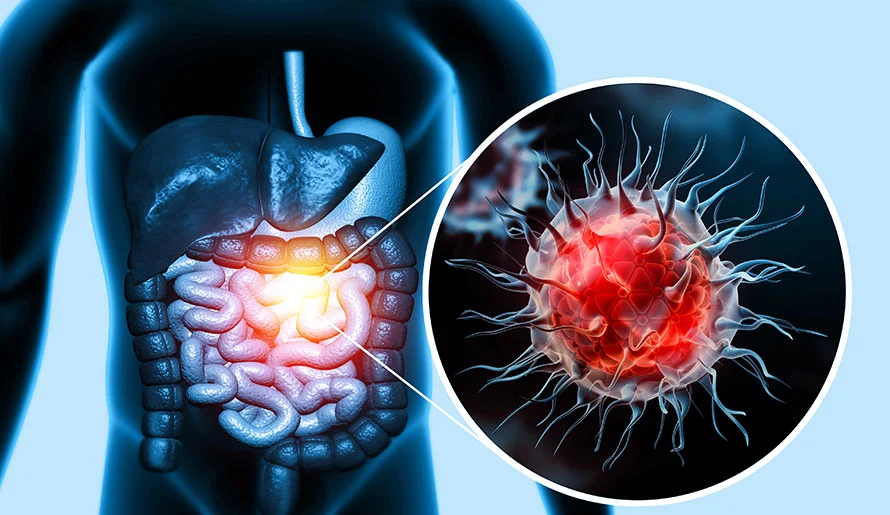
The term viscera refer to the body’s internal organs which includes the liver, intestines, heart and lungs. They are shielded by the skeletal system and other structures and have significant roles in various bodily functions. It is important to keep the viscera in balance for overall health and well-being. The organs function properly and efficiently when they are in a state of balance.
1. Dietary Modifications: According to Ayurveda, food is medicine, therefore it is important to follow a diet that is in line with a person’s dosha (constitution). For example: Warm, nutritious foods like cooked grains, root vegetables, and hearty soups can help promote stability and grounding in people with a mostly Vata dosha. To balance excess heat and acidity in the body, people with a prominent Pitta dosha may benefit from cooling, hydrating foods such sweet fruits, leafy greens, and cooling herbs. To aid in digestion and lessen heaviness, people with a main Kapha dosha may find that light, stimulating foods such as spicy herbs, bitter greens, and pungent spices are beneficial. Ayurveda usually suggests reducing processed and refined foods and emphasizing fresh, seasonal, and complete foods, regardless of dosha.
2. Therapies for Detoxification (Panchakarma): Five primary cleansing procedures are included in the full Ayurvedic detoxification process known as panchakarma. Those are:
- Vamana (therapeutic vomiting)
- Virechana (purgation)
- Basti (medicated enema)
- Nasya (nasal administration of herbal oils)
- Raktamokshana (bloodletting)
These therapies are practised to eliminate toxins (ama) from the body, purify the tissues, and restore balance to the body tissues.
3. Lifestyle Modifications: In order to foster balance and wellbeing, Ayurveda emphasizes the significance of coordinating one’s lifestyle with the natural rhythms and cycles of the body. establishing a regular daily schedule (dinacharya), that consists of routines such as having regular meals, eating them at regular intervals, and doing self-care rituals. obtaining enough sleep and rest to aid in the body’s natural regeneration and healing processes. Using mindfulness exercises like meditation, deep breathing, and time spent in nature can help manage stress. Including frequent movement or exercise in one’s lifestyle to enhance flexibility, vitality, and circulation.
4. Herbal Remedies: Ayurvedic herbs are frequently used to promote viscera health and function. Triphala, a well-known Ayurvedic treatment, is a concoction of three fruits (haritaki, bibhitaki, and amalaki) that has mild cleansing and purifying qualities. It promotes healthy digestion, excretion, and general health. Digestive herbs such as cumin, fennel, ginger, and turmeric can be used to ease digestive discomfort, enhance digestion, and rekindle the digestive fire (agni). Herbs such as marshmallow root, slippery elm, and licorice can be used to strengthen and relax the mucous membranes of the digestive system.
5. Yoga and Pranayama: These ancient Ayurvedic practices are fundamental to maintaining the health of the viscera in a number of ways. Yoga postures, or asanas, include twists, forward bends, and mild inversions that enhance circulation, massage the internal organs, and encourage balance and cleansing. Deep belly breathing, alternating nostril breathing (Nadi Shodhana), and the “skull-shining breath,” or Kapalabhati, are examples of pranayama practices that can help reduce stress, balance doshas, and improve prana (life force energy).
It is always better to consult with a qualified Ayurvedic practitioner before practising these Ayurvedic remedies as they can guide you better.














Leave a comment