

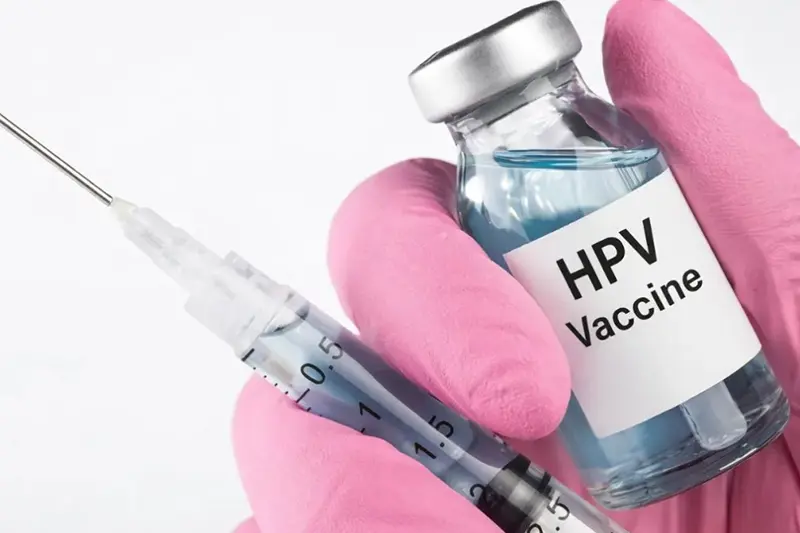
Women’s health in India is still too often approached in fragments. Care is sought when symptoms become disruptive, when pain becomes hard to ignore, or when a life stage forces a medical conversation. Preventive care, despite being one of the most important tools in long-term health, still does not enter the picture early enough for many women.
Why HPV Vaccination is Important for Women’s Health?
A 2025 study on women’s healthcare access in India found that 84% of women reported at least one perceived barrier to accessing healthcare, ranging from logistics and affordability to facility-level constraints. That reality matters because health cannot be episodic. It has to be continuous, informed, and preventive for her, for life.
This is exactly where the conversation around HPV vaccination becomes important. Human Papillomavirus, or HPV, is one of the most common viral infections globally, and persistent infection with high-risk HPV types causes the vast majority of cervical cancer cases. The World Health Organisation states that nearly all cervical cancer cases are linked to HPV, making vaccination one of the clearest examples of prevention changing the future of women’s health.
HPV Vaccine Awareness for Women in Their Early 20s
According to Ms Anika Parashar, Health Expert, Founder at The Woman’s Company, and Founder and Chairperson at Organ India, “For women in their early twenties, this is an important moment to understand that prevention is not only for later life. It begins much earlier.” Here are five things worth knowing about the HPV vaccine if you are in this age group:
1. HPV is more common than most people think
HPV is not rare, and it is often silent. Many people may acquire the virus without ever realising it because the infection may not cause visible symptoms. In many cases, the body clears it naturally. But when high-risk strains persist, they can lead to serious disease over time, including cervical cancer. India continues to carry a significant cervical cancer burden. According to the ICO/IARC HPV Information Centre’s 2023 India fact sheet, the country sees 123,907 new cervical cancer cases and 77,348 deaths annually.
2. Your early twenties are still an important window for vaccination
Many young women assume that if they were not vaccinated in adolescence, the opportunity has passed. That is not true. The vaccine is most effective before exposure to the virus, which is why it is ideally given earlier, but there is still value in vaccination in the late teens and early twenties. The CDC notes that HPV vaccination is recommended for teens and young adults through age 26 if they were not adequately vaccinated earlier. WHO also continues to recommend catch-up vaccination pathways for older adolescents and young women.
3. The HPV vaccine is a cancer-prevention vaccine
One of the most important things to understand about the HPV vaccine is that it is not just about infection prevention in a broad sense. It is specifically linked to cancer prevention. Certain HPV strains are responsible for the majority of cervical cancer cases, and current vaccines are designed to protect against the strains most strongly associated with that risk. That makes the vaccine one of the most meaningful preventive interventions available in women’s health today.
4. Vaccination does not replace screening, but it changes the risk landscape
HPV vaccination is powerful, but it does not eliminate the need for screening later. Preventive health works best when it is layered. Vaccination reduces risk. Screening helps detect early changes if they occur. In India, this part of the conversation is especially important because uptake remains strikingly low. A 2024 analysis of NFHS-5 data found that only 1.9% of women in India had ever undergone cervical cancer screening. That number says a great deal about why women’s health cannot remain reactive. It has to become structured and continuous across life stages.
5. What you do in your twenties can shape your health much later
Your early twenties may not always feel like the phase to think about long-term disease prevention, but this is exactly when many future health outcomes begin to take shape. Globally, countries with strong HPV immunisation programmes are already showing measurable impact. WHO reported in 2024 that single-dose HPV vaccine adoption helped reach at least 6 million additional girls in 2023, reflecting how quickly coverage can improve when prevention is prioritised.
The larger point is simple. Women’s health should not begin only when there is discomfort, disruption, or diagnosis. It should begin earlier, with decisions that reduce risk before disease appears. The HPV vaccine is one of those decisions.
Disclaimer: Dear readers, this article provides general information and advice only. It is not at all professional medical advice. Therefore, always consult your doctor or a healthcare specialist for more information.













Leave a comment