

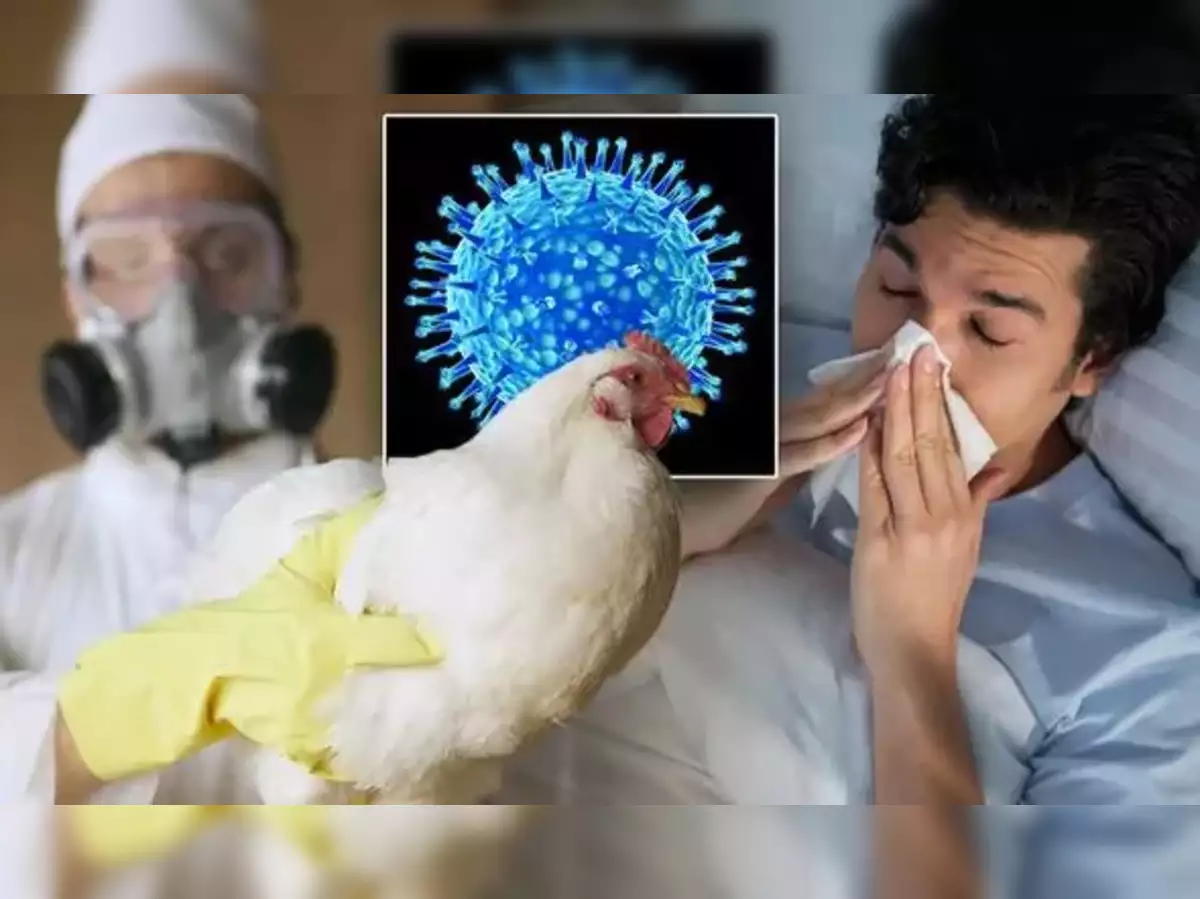
New Delhi, 05 December 2024: The avian influenza virus, commonly known as bird flu, has long been a concern for both the poultry industry and global health agencies due to its potential to cause severe outbreaks. A new study has revealed alarming evidence about a recent strain of the virus, A(H5N1), which appears to exhibit a significantly higher level of viral transmission through the air. This discovery has raised concerns about the virus’s potential to cause widespread outbreaks in animals and possibly humans, underscoring the urgent need for preventive measures and vigilant monitoring.
What Is Avian Influenza A(H5N1)?
Avian influenza, or bird flu, is a viral infection primarily affecting birds. The A(H5N1) strain, first identified in 1997, is particularly dangerous due to its ability to cause severe disease in both poultry and humans. While human cases remain rare, the fatality rate among those infected is alarmingly high, often exceeding 50%. The virus spreads through direct contact with infected birds, their droppings, or contaminated environments.
However, the recent findings about the A(H5N1) strain’s enhanced airborne transmission capabilities have heightened concerns about its potential to spread more widely and affect both animal and human populations.
Key Findings of the Study
The study, conducted by a team of virologists and epidemiologists, analyzed the transmission dynamics of the new A(H5N1) strain in laboratory and field settings. Here are the key findings:
Increased Airborne Transmission: The A(H5N1) strain exhibited a significantly higher ability to spread through respiratory droplets compared to earlier strains. This means that the virus could infect birds and potentially humans without direct contact, increasing the risk of rapid outbreaks.
Enhanced Stability in Air: Researchers found that the new strain remains viable in aerosols for longer periods, making it easier for the virus to travel and infect individuals over greater distances.
Genetic Mutations: Specific genetic mutations in the virus’s hemagglutinin (HA) protein were identified as contributing factors to its increased transmissibility. These mutations enhance the virus’s ability to bind to receptors in the respiratory tract of both birds and mammals.
Potential Zoonotic Threat: While the current strain primarily affects birds, the mutations suggest that it could adapt further, increasing the risk of human-to-human transmission.
Implications of the Findings
Threat to Poultry Industry: The enhanced airborne transmission of A(H5N1) poses a severe threat to poultry farms, where dense populations of birds provide an ideal environment for the virus to spread. Widespread outbreaks could lead to massive culling of birds, resulting in significant economic losses and disruption of food supply chains.
Public Health Risks: Although human infections are still relatively rare, the virus’s increased transmissibility raises concerns about its potential to jump to humans more efficiently. If the virus adapts to facilitate human-to-human transmission, it could lead to a global health crisis similar to the COVID-19 pandemic.
Global Surveillance and Preparedness: The findings emphasize the need for enhanced global surveillance systems to detect and respond to outbreaks quickly. Monitoring bird populations, especially in areas with frequent human-animal interaction, will be critical in preventing the spread of the virus.
Steps to Mitigate the Risk
Strengthening Biosecurity Measures: Poultry farms must adopt stricter biosecurity protocols to prevent the introduction and spread of the virus. This includes regular health checks for birds, controlling access to farms, and implementing proper sanitation practices.
Vaccination Development: Efforts to develop vaccines for both birds and humans should be accelerated. Vaccination of poultry can significantly reduce the spread of the virus within bird populations, while human vaccines can provide a critical line of defense against zoonotic transmission.
Public Awareness Campaigns: Educating the public, particularly those who work with poultry, about the risks and preventive measures is essential. Simple practices, such as wearing protective gear and avoiding direct contact with sick birds, can help reduce the risk of infection.
International Collaboration: Given the global nature of avian influenza, countries must collaborate to share data, resources, and expertise. International organizations like the World Health Organization (WHO) and the Food and Agriculture Organization (FAO) play a key role in coordinating these efforts.
Avian Flu: Comparisons to Previous Strains
The A(H5N1) strain is not the first to raise alarms about airborne transmission. In 2012, research on H5N1’s potential to become airborne sparked debates about the dual-use nature of such studies, balancing public health benefits with bioterrorism risks. The new findings about A(H5N1) echo these concerns but highlight the importance of preparedness rather than fear.
As researchers continue to study the A(H5N1) strain, the focus must remain on preventing its spread and minimizing its impact. While the new findings are concerning, they also provide valuable insights that can guide preventive measures and policy decisions. Governments, healthcare organizations, and scientists must work together to ensure that the lessons learned from previous outbreaks are applied effectively.
The discovery of the A(H5N1) strain’s increased ability to transmit through the air marks a critical turning point in our understanding of avian influenza. While the findings raise concerns about potential outbreaks and zoonotic transmission, they also serve as a wake-up call for global health preparedness. By strengthening surveillance, enhancing biosecurity, and investing in vaccine development, we can mitigate the risks posed by this deadly virus and safeguard both animal and human health.

















Leave a comment