

New Delhi, 29 September, 2025: The heart is a powerhouse that works non-stop, pumping blood and oxygen to every part of the body. But like any engine, it needs the right fuel to function efficiently. While exercise and lifestyle play a big role in maintaining cardiovascular health, what you eat directly impacts how well oxygen and nutrients reach your heart muscle.
On the occasion of World Heart Day 2025, cardiologists worldwide are reminding us that food isn’t just about calories—it’s about fueling the heart with nutrients that improve circulation, lower cholesterol, reduce inflammation, and enhance oxygen delivery.
Here are 8 foods cardiologists strongly recommend to improve oxygen flow to the heart and keep your cardiovascular system strong.
1. Fatty Fish (Salmon, Mackerel, Sardines)
Why they’re heart-healthy:
Fatty fish are rich in omega-3 fatty acids, which reduce triglycerides, lower inflammation, and improve endothelial function—the ability of blood vessels to relax and expand. This enhances circulation and oxygen flow.
Expert tip:
Eat at least two servings per week of oily fish. If you’re vegetarian, chia seeds, flaxseeds, and walnuts are excellent alternatives.
“Omega-3s help keep arteries flexible, allowing more oxygen-rich blood to reach the heart muscle. They are essential for anyone wanting long-term cardiovascular protection,” says Dr. Prakash Nair, Senior Cardiologist, Fortis Hospital.
2. Leafy Green Vegetables (Spinach, Kale, Swiss Chard)
Why they’re heart-healthy:
Leafy greens are packed with dietary nitrates, which convert into nitric oxide in the body. Nitric oxide helps blood vessels dilate, improving oxygen and nutrient delivery to tissues.
Nutrients: Folate, vitamin K, magnesium, and potassium also play critical roles in maintaining blood pressure and vascular health.
Expert tip:
Include at least one cup of leafy greens daily, either in salads, smoothies, or lightly cooked meals.
3. Beets and Beetroot Juice
Why they’re heart-healthy:
Like leafy greens, beets are nitrate-rich. Several studies show that drinking beetroot juice can significantly increase nitric oxide levels, reduce blood pressure, and improve stamina by enhancing oxygen use during exercise.
Expert tip:
Drink a glass of fresh beet juice before workouts or include roasted beets in salads.
4. Berries (Blueberries, Strawberries, Blackberries)
Why they’re heart-healthy:
Berries are rich in antioxidants and polyphenols like anthocyanins that reduce oxidative stress, inflammation, and arterial stiffness. They also support healthy blood vessels, ensuring smooth blood flow.
Nutrients: High in vitamin C and fiber, which contribute to reduced cholesterol and improved circulation.
Expert tip:
Add a handful of fresh berries to your breakfast or snack on them instead of processed sweets.
5. Garlic
Why it’s heart-healthy:
Garlic contains allicin, a compound that improves blood flow by relaxing blood vessels and reducing plaque buildup in arteries. It also lowers blood pressure and cholesterol, two major contributors to restricted oxygen supply.
Expert tip:
Eat one or two raw cloves daily or include garlic liberally in cooking. If raw garlic is too strong, consider roasted garlic or garlic supplements (after consulting a doctor).
6. Citrus Fruits (Oranges, Grapefruit, Lemons)
Why they’re heart-healthy:
Citrus fruits are loaded with vitamin C and flavonoids, which help strengthen blood vessel walls, prevent clot formation, and improve circulation. Vitamin C also boosts collagen production, keeping arteries flexible.
Expert tip:
Drink fresh lemon water in the morning, add orange slices to salads, or enjoy grapefruit as a snack.
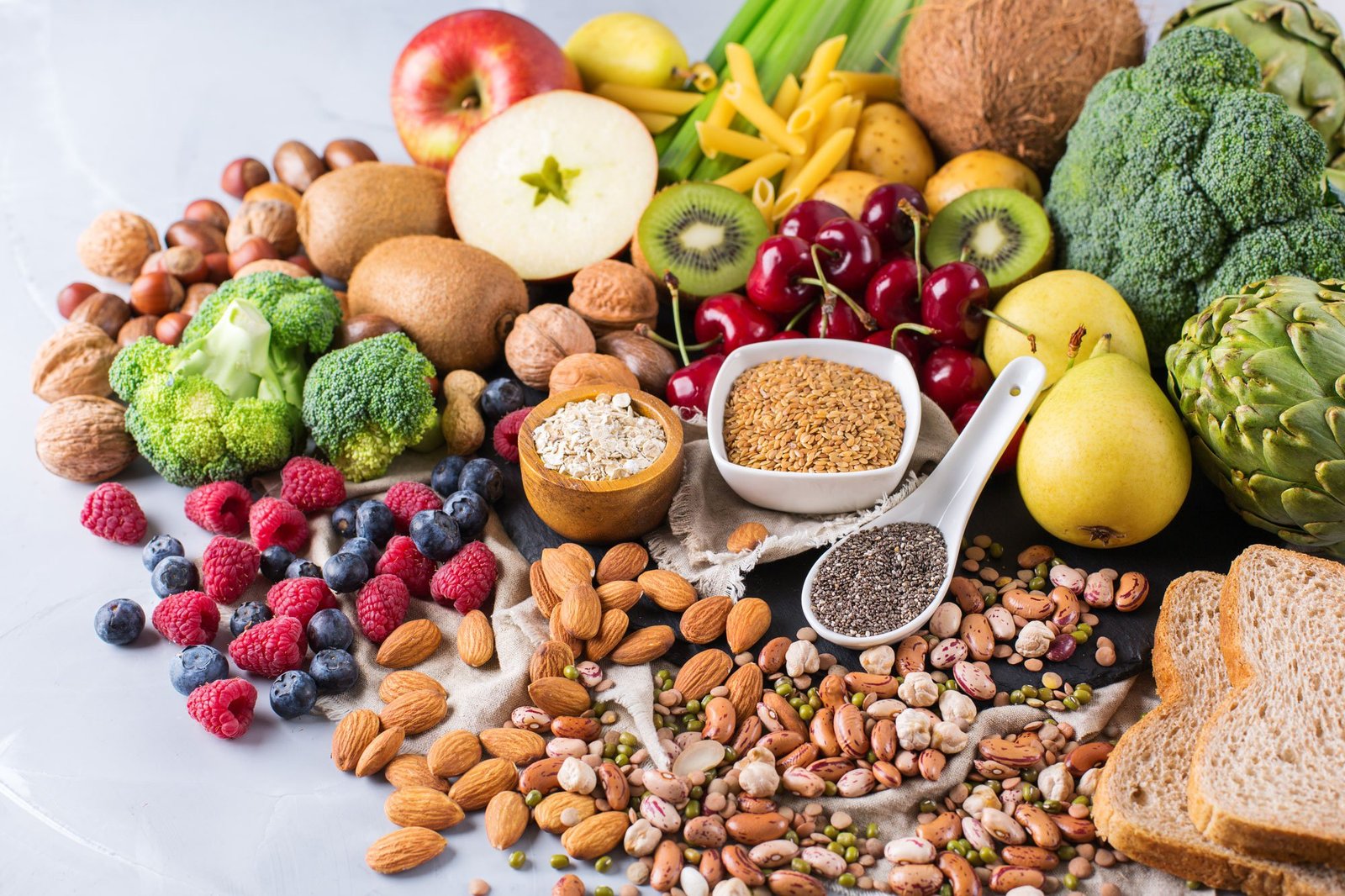
7. Nuts and Seeds (Almonds, Walnuts, Flaxseeds, Chia Seeds)
Why they’re heart-healthy:
Nuts and seeds provide healthy fats, fiber, magnesium, and arginine (an amino acid that helps produce nitric oxide). They reduce bad cholesterol (LDL), increase good cholesterol (HDL), and enhance blood flow.
Expert tip:
Snack on a small handful of nuts daily or sprinkle flax and chia seeds over oatmeal or smoothies.
8. Dark Chocolate (70% Cocoa or Higher)
Why it’s heart-healthy:
Dark chocolate is rich in flavonoids that improve blood vessel elasticity, reduce blood pressure, and enhance blood flow. Studies show moderate consumption improves endothelial function and circulation.
Expert tip:
Limit intake to 1–2 small squares a day—too much can add sugar and calories.
“When consumed in moderation, dark chocolate acts almost like medicine for the arteries, enhancing oxygen delivery to the heart and brain,” explains Dr. Kavita Rao, Cardiologist at Apollo Hospitals.
Bonus: Stay Hydrated
While not a food, water plays a critical role in maintaining blood volume and oxygen transport. Dehydration thickens the blood, making it harder for the heart to pump efficiently. Aim for at least 2–3 liters of water daily.
Lifestyle Pairings with Heart-Healthy Foods
Food works best when combined with heart-friendly lifestyle choices:
- Exercise regularly: Physical activity strengthens the heart and improves oxygen utilization.
- Quit smoking: Smoking damages blood vessels and reduces oxygen in the blood.
- Limit alcohol: Excessive drinking strains the heart and liver.
- Manage stress: Chronic stress raises blood pressure and reduces circulation.
- Sleep well: 7–8 hours of sleep ensures proper recovery and heart function.
Warning Signs of Poor Circulation to the Heart
If you notice these symptoms, seek medical attention immediately:
- Chest pain or tightness
- Shortness of breath
- Dizziness or fainting
- Cold hands and feet
- Unexplained fatigue
These may signal reduced blood flow or even the onset of cardiovascular disease.
Your diet is a powerful tool for protecting your heart. By including foods that improve circulation—like fatty fish, leafy greens, beets, berries, garlic, citrus fruits, nuts, and even a little dark chocolate—you can significantly enhance oxygen flow to your heart and keep cardiovascular diseases at bay.
As cardiologists remind us, it’s never too early to start eating for your heart. Small, consistent dietary changes today can lead to decades of healthier living tomorrow.
So this World Heart Day 2025, make a simple resolution: add at least one heart-healthy food to your daily meals and give your heart the oxygen it deserves.

















Leave a comment