Home Latest News 5 Common Foods That Are Slowly Damaging Your Liver
Latest News

5 Common Foods That Are Slowly Damaging Your Liver

Share
Share

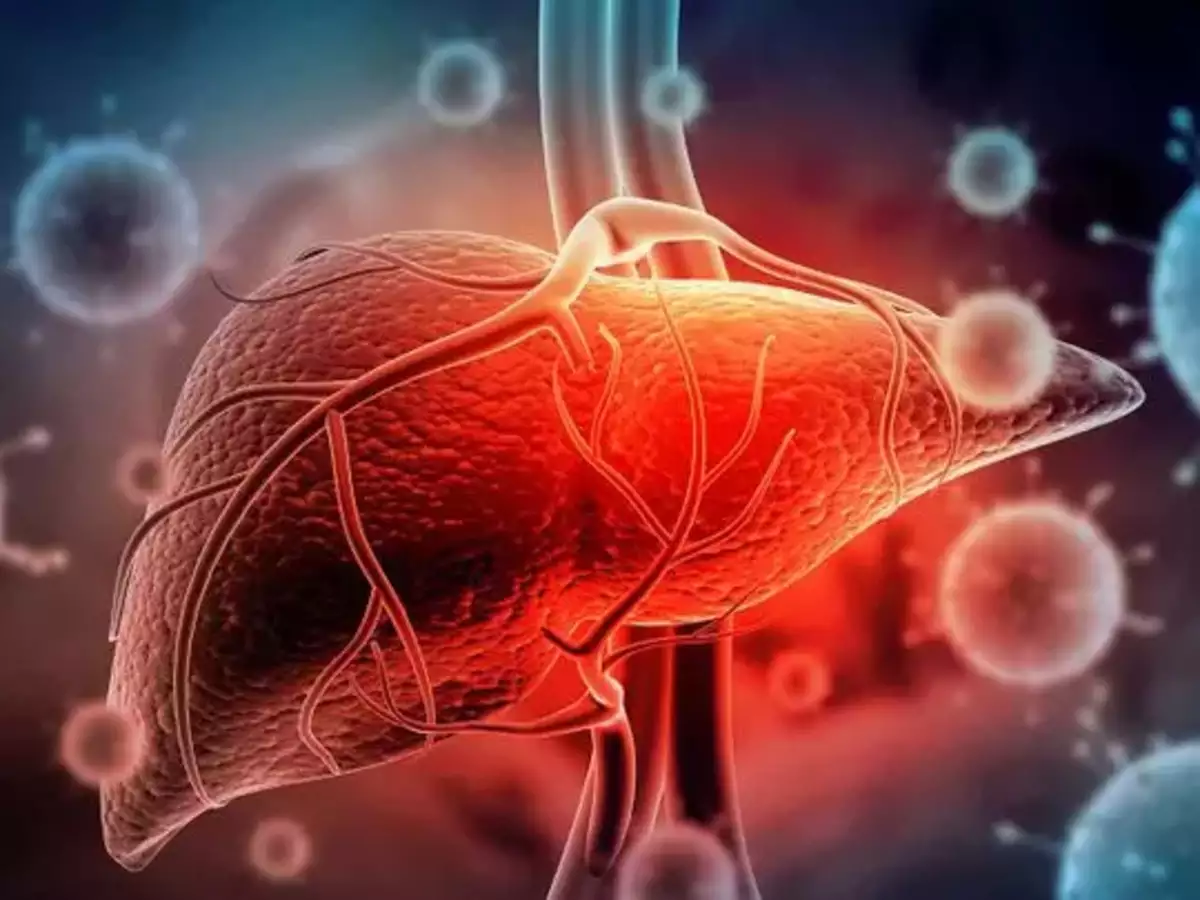
The liver is one of the most vital organs in the body, responsible for detoxification, metabolizing nutrients, and regulating essential biochemical processes, and yet many people unknowingly consume foods that gradually impair liver function, leading to fatty liver disease, inflammation, and long-term health complications.

Processed and Packaged Foods: One of the most common offenders is processed and packaged foods that are high in added sugars, unhealthy fats, and preservatives, which can lead to fat accumulation in the liver and increase the risk of non-alcoholic fatty liver disease (NAFLD), while also elevating cholesterol levels and promoting insulin resistance.

Sugary Beverages: Another culprit is sugary beverages, including sodas, energy drinks, and sweetened juices, which rapidly raise blood sugar levels and contribute to liver fat deposition and oxidative stress, impairing the organ’s ability to metabolize toxins effectively.

Alcohol Consumption: Excessive alcohol consumption, even in moderate amounts over time, is highly damaging, as alcohol metabolism generates toxic byproducts that cause liver inflammation, scarring, and eventually cirrhosis, especially when combined with poor dietary habits.

Fried and Deep-Fried Foods: Additionally, fried and deep-fried foods, which are high in trans fats and saturated fats, overwhelm the liver’s metabolic capacity, promote fat storage, and increase systemic inflammation, putting further stress on the organ.

High-Sodium Foods: Finally, high-sodium foods, such as fast food, canned soups, and salty snacks, contribute to water retention, increase blood pressure, and exacerbate liver strain, while potentially accelerating fibrosis in individuals with pre-existing liver conditions.

Protecting Your Liver: To protect liver health, experts recommend prioritizing a diet rich in whole, unprocessed foods, including fresh fruits and vegetables, whole grains, lean proteins, and healthy fats such as those found in nuts, seeds, and olive oil, while avoiding or minimizing processed, sugary, fried, and salty foods, and ensuring adequate hydration, regular physical activity, and moderation in alcohol consumption. Simple lifestyle adjustments such as cooking meals at home, checking nutritional labels, incorporating fiber-rich foods, and practicing portion control can significantly reduce the liver’s workload and prevent long-term damage.

By being mindful of these common food choices and adopting a liver-friendly diet, individuals can maintain optimal liver function, reduce the risk of fatty liver and other chronic conditions, support detoxification, and improve overall metabolic health, demonstrating that consistent attention to daily nutrition plays a critical role in long-term wellness and prevention of liver-related diseases.

Share
Written by
Swapna Karmakar

Swapna Karmakar is an experienced Health Journalist and the Editorial Lead at Healthwire Media. She has a background in investigative reporting and a deep interest in community health and regulatory updates within the medical sector. Swapna focuses on bridging the gap between healthcare providers and patients by crafting narratives that simplify medical terminology without losing clinical depth. Her research process involves analyzing peer-reviewed journals and official regulatory notifications from bodies like the National Medical Commission (NMC) to provide timely news to both healthcare professionals and the general public. Swapna’s work is characterized by a commitment to transparency and evidence-based reporting. Outside of health reporting, she is an avid traveler and explorer of cultural landscapes. 

Don't Miss

Gastroenterology

World Liver Day 2026: 10 simple habits to reverse fatty liver

Fatty liver is silently gaining popularity as one of the most prevalent ailments while the vast majority of people are not aware that...

Signs Of Heart Attack
Cardiology

Heart Attack Symptoms Explained: Does the Pain Always Occur on the Left Side? Expert Reveals Warning Signs You Shouldn’t Ignore

In 2026, heart attacks are not limited to the elderly—young people are increasingly facing this serious condition. Before a heart attack occurs, the...

There are many microorganisms that directly harm the stomach.
Diet & NutritionLifestyle & Wellness

Viral gastroenteritis cases amid rising summer heatwave: Tips to protect yourself

As the temperature continues to rise, viral gastroenteritis also known as stomach flu spikes in Mysuru with reports indicating a sharp rise in...

Nephrology

Heatwave alert: How dehydration silently damages your kidneys and hidden risks you must not ignore

With the moderate increase in temperatures in India, the majority of the population is concentrating on being hydrated. Although dehydration is a key...

Lifestyle & Wellness

Pre-pregnancy obesity may raise child’s fatty liver risk by 3 times, warns expert

Planning a pregnancy often focuses on eating well, taking supplements, and going for regular check-ups. However, recent studies indicate that preconceptual health is...

Section title

Related Articles
Latest News

PCOS vs PMOS: Understanding the Key Differences in Women’s Hormonal Health

For years, millions of women across the world have known the hormonal...

Latest News

Indian techie dies in California after contracting rare fungal infection: What is valley fever and how dangerous is it?

An Indian technology professional recently lost his life in California after contracting...

Latest News

Creatine for muscle and brain: What science really says about strength, performance and safety

Creatine is the world’s most popular fitness supplement. You may come across...

Latest News

Hantavirus Outbreak: How This Dangerous Rodent-Borne Infection Spreads And The Warning Signs You Should Never Ignore

The recent concerns around hantavirus outbreaks have once again highlighted the dangers...