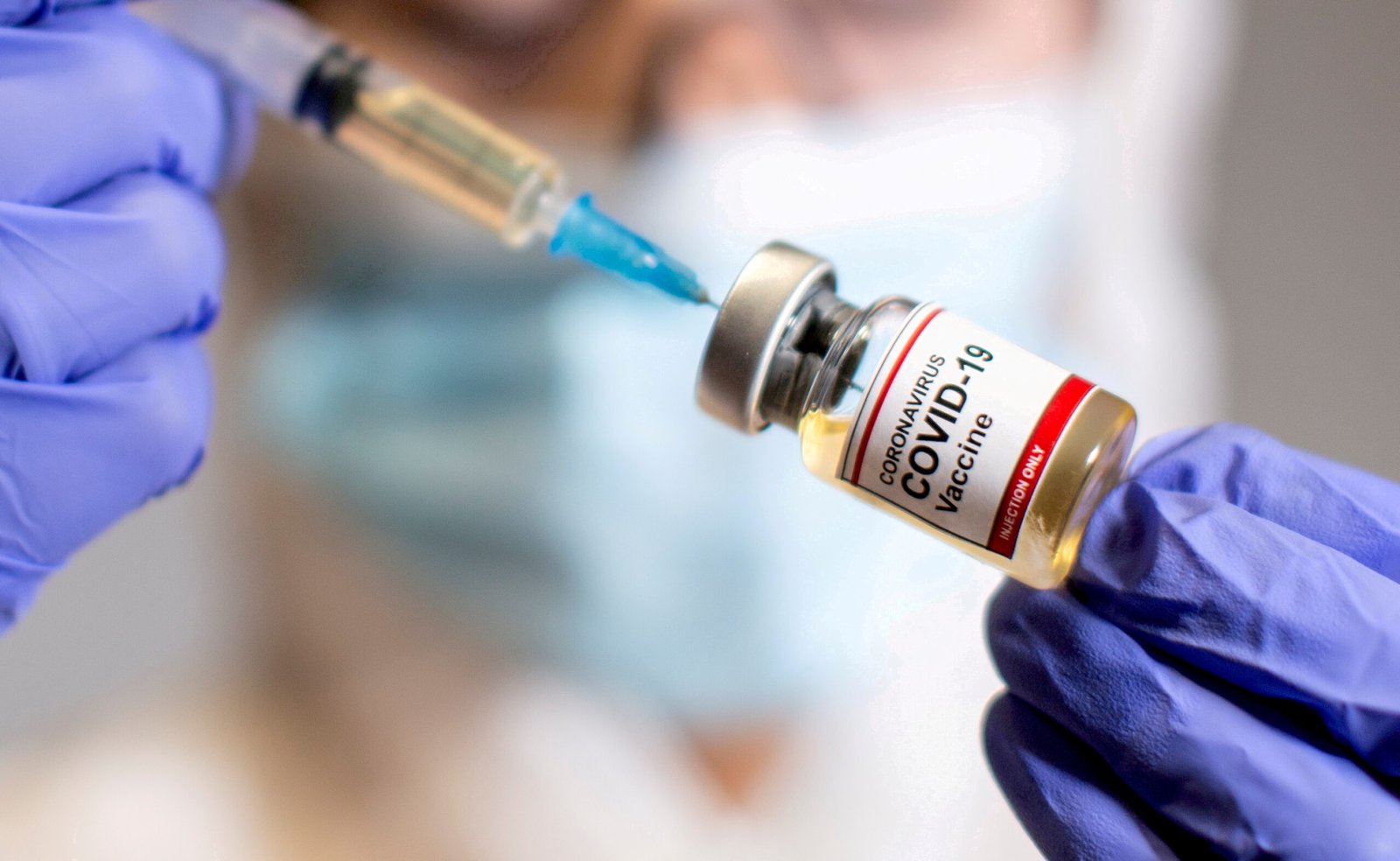
Seven years after the COVID-19 pandemic reshaped global public health preparedness, West Bengal is once again on alert following reports of Nipah virus (NiV) cases. The re-emergence of this rare but deadly virus has raised serious concern among health authorities, doctors, and the general public, given its high fatality rate and potential for human-to-human transmission.
Health experts stress that awareness is the most powerful tool against Nipah virus outbreaks. Understanding early warning symptoms, modes of transmission, and high-risk groups can help contain the spread and save lives.
What Is Nipah Virus and Why Is It Dangerous?
Nipah virus is a zoonotic virus, meaning it spreads from animals to humans. It belongs to the Henipavirus genus and is primarily carried by fruit bats (flying foxes), which act as its natural reservoir.
What makes Nipah particularly dangerous is:
- Its high mortality rate, estimated between 40% and 75%
- The absence of a specific antiviral drug or approved vaccine
- Its ability to cause severe brain inflammation (encephalitis) and respiratory failure
- The risk of hospital-based human-to-human transmission
Unlike many viral infections, Nipah can deteriorate rapidly, with patients slipping from mild symptoms into critical condition within days.
How Does Nipah Virus Spread?
Experts explain that Nipah virus spreads through multiple routes:
Animal-to-Human Transmission
- Consumption of raw date palm sap contaminated with bat saliva or urine
- Eating fruits partially eaten by bats
- Direct contact with infected animals
Human-to-Human Transmission
- Close contact with infected individuals
- Exposure to bodily fluids such as saliva, blood, urine, or respiratory droplets
- Caring for infected patients without proper protective equipment
Past outbreaks in India have shown that healthcare settings are especially vulnerable if infection-control protocols are not strictly followed.
Early Warning Symptoms of Nipah Virus Infection
One of the biggest challenges with Nipah virus is that early symptoms often resemble common viral illnesses, making timely diagnosis difficult.
Early Symptoms (First Few Days)
- Fever
- Headache
- Muscle pain
- Sore throat
- Fatigue and weakness
These symptoms may appear 4 to 14 days after exposure, though in some cases the incubation period can extend up to 45 days.
Severe and Life-Threatening Symptoms
As the infection progresses, symptoms can worsen dramatically:
- Acute encephalitis (brain inflammation)
- Drowsiness and confusion
- Disorientation
- Seizures
- Difficulty breathing
- Loss of consciousness
- Coma
Doctors warn that once neurological symptoms appear, the condition can become fatal very quickly if not managed in an intensive care setting.
Why Nipah Virus Attacks the Brain
Nipah virus has a strong affinity for the central nervous system. After entering the body, the virus can cross the blood–brain barrier, leading to swelling of brain tissue. This causes:
- Cognitive impairment
- Altered consciousness
- Long-term neurological damage in survivors
Even patients who recover may experience persistent seizures, memory problems, personality changes, or motor difficulties.
Who Is at High Risk of Nipah Virus Infection?
Health experts identify several high-risk groups:
Healthcare Workers
Doctors, nurses, and hospital staff are at increased risk due to close exposure to infected patients, especially during procedures involving airway management or bodily fluids.
Caregivers and Family Members
People caring for infected individuals at home without adequate protection are highly vulnerable.
People Consuming Raw Date Palm Sap
Consumption of fresh, unprocessed date palm sap remains one of the most common risk factors linked to Nipah outbreaks in India and Bangladesh.
Children and Elderly
Young children and older adults may experience more severe disease due to weaker immune systems.
People With Weak Immunity
Individuals with chronic illnesses such as diabetes, kidney disease, cancer, or those on immunosuppressive medications face higher risks of complications.
Why Nipah Virus Is a Public Health Emergency
Experts say Nipah virus is classified as a priority pathogen because:
- Outbreaks are unpredictable
- Fatality rates are extremely high
- No definitive cure exists
- It has pandemic potential if not contained early
Unlike seasonal viral infections, Nipah outbreaks require rapid isolation, contact tracing, and strict surveillance to prevent escalation.
Diagnosis and Treatment: What Doctors Do
Diagnosis
Nipah virus is confirmed through:
- RT-PCR testing of blood, throat swabs, urine, or cerebrospinal fluid
- Antibody testing in later stages
Testing is conducted in specialised laboratories due to the virus’s high bio-risk level.
Treatment
There is no specific antiviral treatment for Nipah virus. Management is largely supportive and includes:
- Intensive care monitoring
- Ventilator support for respiratory distress
- Management of seizures
- Reducing brain swelling
- Strict isolation protocols
Early detection significantly improves survival chances.
Preventive Measures Experts Strongly Recommend
Health authorities and infectious-disease specialists advise the following precautions:
- Avoid raw date palm sap and unwashed fruits
- Wash fruits thoroughly and peel before eating
- Avoid contact with bats and sick animals
- Practice frequent hand hygiene
- Wear masks in outbreak zones
- Follow hospital infection-control guidelines
- Seek immediate medical care if symptoms develop
Public awareness and behavioural changes play a crucial role in breaking transmission chains.
Why Awareness Matters More Than Panic
Doctors caution against panic but stress the importance of informed vigilance. Nipah virus outbreaks can be contained effectively when:
- Symptoms are recognised early
- Suspected cases are isolated immediately
- Communities cooperate with health advisories
Past outbreaks in India have shown that swift public health response can prevent widespread transmission.
The Nipah virus alert in West Bengal is a reminder that emerging infections remain a constant threat. Knowing the warning symptoms, understanding who is most at risk, and following preventive guidelines can help protect individuals and communities.
Early reporting, responsible behaviour, and trust in public health systems are essential to preventing Nipah virus from becoming a larger crisis.