

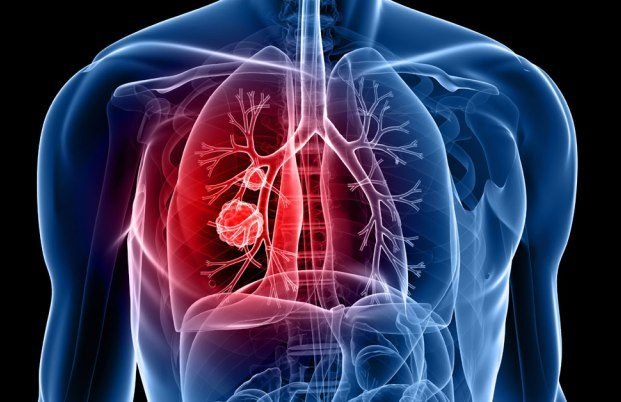
New Delhi, 23 September, 2025: Your lungs are vital organs that keep your body alive by supplying oxygen and removing carbon dioxide. Yet, lung diseases often remain undetected until they reach advanced stages. Many people mistake early warning signs of lung disease for simple fatigue, ageing, or seasonal flu. Ignoring these symptoms can delay diagnosis and treatment, potentially leading to life-threatening conditions.
This article highlights the key symptoms of lung disease you should never ignore, the possible conditions they indicate, and why early medical attention is crucial for long-term lung health.
Why Early Detection Matters
Lung diseases—including asthma, chronic obstructive pulmonary disease (COPD), lung cancer, pulmonary fibrosis, and infections like pneumonia or tuberculosis—affect millions of people worldwide. According to global health studies, chronic respiratory diseases are among the top causes of illness and death.
The problem is that early lung symptoms are often mild and dismissed as common issues like cough or fatigue. But when diagnosed early, many lung diseases can be managed effectively with medications, lifestyle changes, and regular medical care.
Common Symptoms of Lung Disease You Shouldn’t Ignore
1. Persistent Cough
- A cough lasting more than three weeks could indicate chronic lung disease.
- Conditions such as bronchitis, asthma, COPD, or lung cancer often start with a cough that doesn’t go away.
- If the cough worsens at night, produces phlegm, or is accompanied by wheezing, it’s time to seek medical attention.
2. Shortness of Breath
- Getting winded while doing everyday tasks like climbing stairs or walking short distances may signal reduced lung function.
- COPD, pulmonary fibrosis, and heart-related lung conditions commonly cause breathlessness.
- If shortness of breath occurs suddenly and severely, it could also mean a pulmonary embolism (blood clot in the lungs), which is a medical emergency.
3. Chest Pain or Tightness
- Sharp, stabbing chest pain that worsens with breathing or coughing may suggest pleurisy (inflammation of lung lining) or pneumonia.
- Constant chest pressure may be linked to lung cancer or pulmonary hypertension.
- Any unexplained chest pain requires immediate evaluation, especially if accompanied by shortness of breath or dizziness.
4. Wheezing
- A whistling or squeaky sound when breathing often points to airway narrowing or blockage.
- Common in asthma patients, wheezing may also occur in COPD or severe allergic reactions.
- Chronic wheezing that does not improve with medication should be assessed by a lung specialist.
5. Coughing Up Blood (Hemoptysis)
- Even a small amount of blood in phlegm is a red flag.
- It could be due to infections like tuberculosis, chronic bronchitis, or more serious conditions such as lung cancer.
- Medical attention is essential to determine the cause.
6. Unexplained Fatigue
- Lungs that are not functioning properly reduce oxygen supply to the body, making you feel tired and weak.
- Persistent fatigue without obvious cause may indicate early lung disease, sleep apnea, or chronic infections.
7. Chronic Mucus Production
- Producing phlegm daily for more than three months may suggest chronic bronchitis or COPD.
- Excessive mucus blocks airways, reducing oxygen intake and increasing infection risk.
8. Recurring Respiratory Infections
- Frequent colds, pneumonia, or bronchitis may indicate underlying lung weakness.
- If you’re prone to recurrent chest infections, your immune system and lung function need evaluation.
9. Weight Loss Without Trying
- Unintentional weight loss, coupled with persistent cough or breathlessness, could point to lung cancer or severe chronic lung disease.
- Early detection is crucial in such cases.
10. Swelling in Ankles or Legs
- Fluid buildup in the lower body may indicate pulmonary hypertension or heart-lung complications.
- This symptom is often overlooked but can signal advanced lung disease.
Conditions Linked to These Symptoms
- Asthma: Wheezing, breathlessness, and chest tightness triggered by allergens or pollution.
- COPD: Chronic cough, phlegm production, and breathlessness due to long-term smoking or air pollution.
- Lung Cancer: Persistent cough, coughing blood, chest pain, and weight loss.
- Pulmonary Fibrosis: Progressive scarring of lung tissue leading to severe shortness of breath.
- Tuberculosis (TB): Chronic cough, night sweats, fever, and weight loss.
- Pneumonia: High fever, cough with phlegm, chest pain, and fatigue.
- Pulmonary Embolism: Sudden chest pain, breathlessness, and coughing up blood (emergency condition).
Risk Factors for Lung Disease
Some people are more prone to developing lung conditions. Risk factors include:
- Smoking: The leading cause of COPD and lung cancer.
- Air Pollution: Both outdoor smog and indoor pollutants (such as biomass smoke).
- Occupational Hazards: Exposure to asbestos, coal dust, or chemicals.
- Family History: Genetic predisposition increases risk.
- Compromised Immunity: Increases chances of recurrent infections.
- Lifestyle Factors: Poor diet, lack of exercise, and chronic stress can weaken immunity.
When to See a Doctor
You should consult a doctor if you experience:
- A cough that lasts more than three weeks.
- Breathlessness that interferes with daily life.
- Chest pain with coughing or breathing.
- Wheezing that persists or worsens.
- Coughing up blood, even once.
- Sudden unexplained weight loss.
Delaying medical care may allow diseases to progress, making treatment more difficult.
Diagnosis and Tests for Lung Disease
Doctors use several diagnostic tools to confirm lung conditions:
- Chest X-ray or CT Scan – reveals infections, tumors, or lung scarring.
- Pulmonary Function Tests (PFTs) – measure lung capacity and airflow.
- Blood Tests – detect infections or oxygen levels.
- Sputum Test – analyzes mucus for bacteria, TB, or cancer cells.
- Bronchoscopy – examines airways using a flexible tube with a camera.
Prevention and Lung Care Tips
While not all lung diseases can be prevented, you can take steps to protect your respiratory health:
- Quit smoking and avoid second-hand smoke.
- Wear masks in polluted or dusty environments.
- Stay physically active to improve lung capacity.
- Eat a diet rich in antioxidants, vitamins, and omega-3 fatty acids.
- Get annual flu vaccines and pneumonia shots if recommended.
- Practice deep breathing exercises or yoga to strengthen lung function.
- Maintain good indoor air quality with ventilation and air purifiers.
Your lungs are central to your well-being, and their early warning signs should never be ignored. Persistent cough, breathlessness, wheezing, chest pain, and unexplained fatigue are more than just minor inconveniences—they may be the first clues of serious lung disease.
By recognizing these symptoms early, seeking timely medical help, and adopting preventive habits, you can protect your respiratory health and reduce the risk of chronic illness.
Remember: Healthy lungs mean a healthier, longer life. Don’t ignore the signs—your body is speaking, and your lungs deserve care.















Leave a comment