

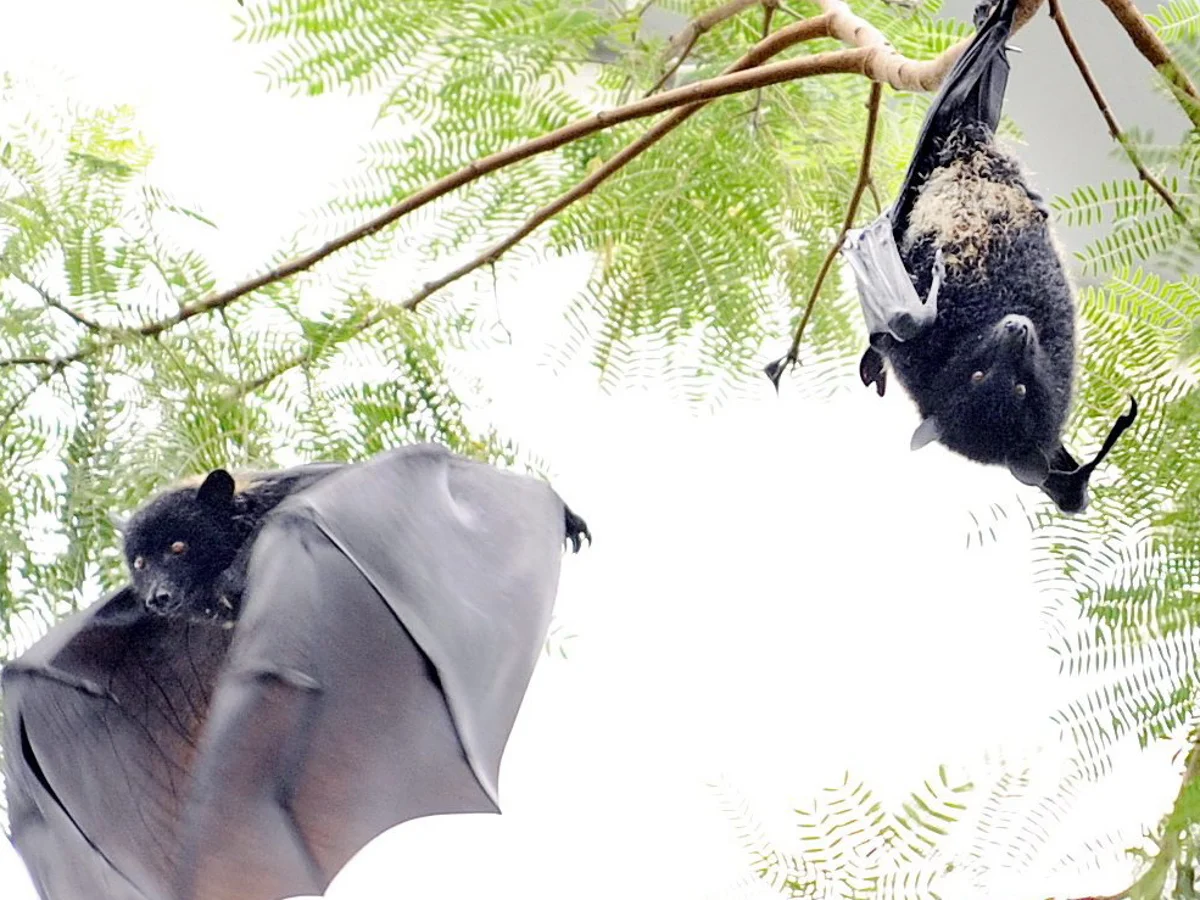
New Delhi, 15 December 2024: The world is at risk of facing another zoonotic pandemic, warned a former World Health Organization (WHO) director, as concerns over diseases that jump from animals to humans continue to rise. With rapid urbanization, deforestation, and increasing human-animal interaction, the conditions for zoonotic disease outbreaks are becoming more favorable. This stark prediction comes as the global community grapples with the long-term effects of COVID-19, which itself originated as a zoonotic virus.
Zoonotic Diseases: The Persistent Threat to Global Health
Zoonotic diseases, or infections transmitted between animals and humans, account for over 60% of emerging infectious diseases. Experts caution that human activities like wildlife trafficking, unsustainable agricultural practices, and climate change have created an environment conducive to zoonotic spillovers. Diseases such as Ebola, SARS, and avian influenza have demonstrated how quickly these pathogens can spread, with catastrophic consequences for public health.
Former WHO Director David Nabarro stressed the importance of vigilance, noting that zoonotic diseases are a natural consequence of human encroachment on wildlife habitats. “Our interconnected world makes it easier for such diseases to spread globally,” he said, underscoring the need for preventive measures.
How Human Activity Fuels the Risk of Pandemics
Several factors contribute to the increasing risk of zoonotic pandemics. Urbanization and deforestation are driving wildlife closer to human settlements, increasing the likelihood of pathogen transmission. Agricultural intensification, which often involves large-scale animal farming, provides breeding grounds for diseases like avian and swine flu.
Climate change is another significant driver. Rising temperatures and changing ecosystems are forcing animals to migrate, often bringing new pathogens into contact with human populations. The expansion of wet markets and illegal wildlife trade further exacerbates the situation, creating hotspots for zoonotic transmission.
Lessons from COVID-19: Are We Prepared?
The COVID-19 pandemic highlighted critical gaps in global health systems. While significant progress has been made in vaccine development and diagnostics, experts warn that current efforts to prevent future pandemics remain insufficient. Strengthening surveillance of animal populations and enhancing early warning systems are vital steps in mitigating risks.
“We need a one-health approach,” said Nabarro, emphasizing the interconnectedness of human, animal, and environmental health. Governments and organizations must invest in research, promote sustainable farming practices, and implement stricter regulations on wildlife trade to reduce zoonotic spillover events.
The Role of Global Collaboration in Pandemic Preparedness
Preventing the next pandemic will require coordinated global action. Sharing data on emerging diseases, fostering international cooperation, and investing in health infrastructure are crucial. Organizations like the WHO have called for increased funding and the establishment of a global pandemic treaty to address these challenges.
The need for equitable healthcare access was another critical lesson from COVID-19. Vulnerable populations, particularly in low-income countries, are disproportionately affected by zoonotic diseases due to limited resources and healthcare access. Strengthening these systems can save lives and prevent widespread economic disruptions.
The warning from the former WHO director serves as a reminder of the looming threat posed by zoonotic diseases. As the world continues to recover from COVID-19, it must prioritize proactive measures to prevent future pandemics. Addressing the root causes of zoonotic spillovers, investing in public health infrastructure, and fostering global collaboration will be essential in safeguarding humanity against the next health crisis.
The message is clear: the world cannot afford to be complacent. Another pandemic may be inevitable, but its impact can be minimized with foresight, preparation, and collective action.














Leave a comment