

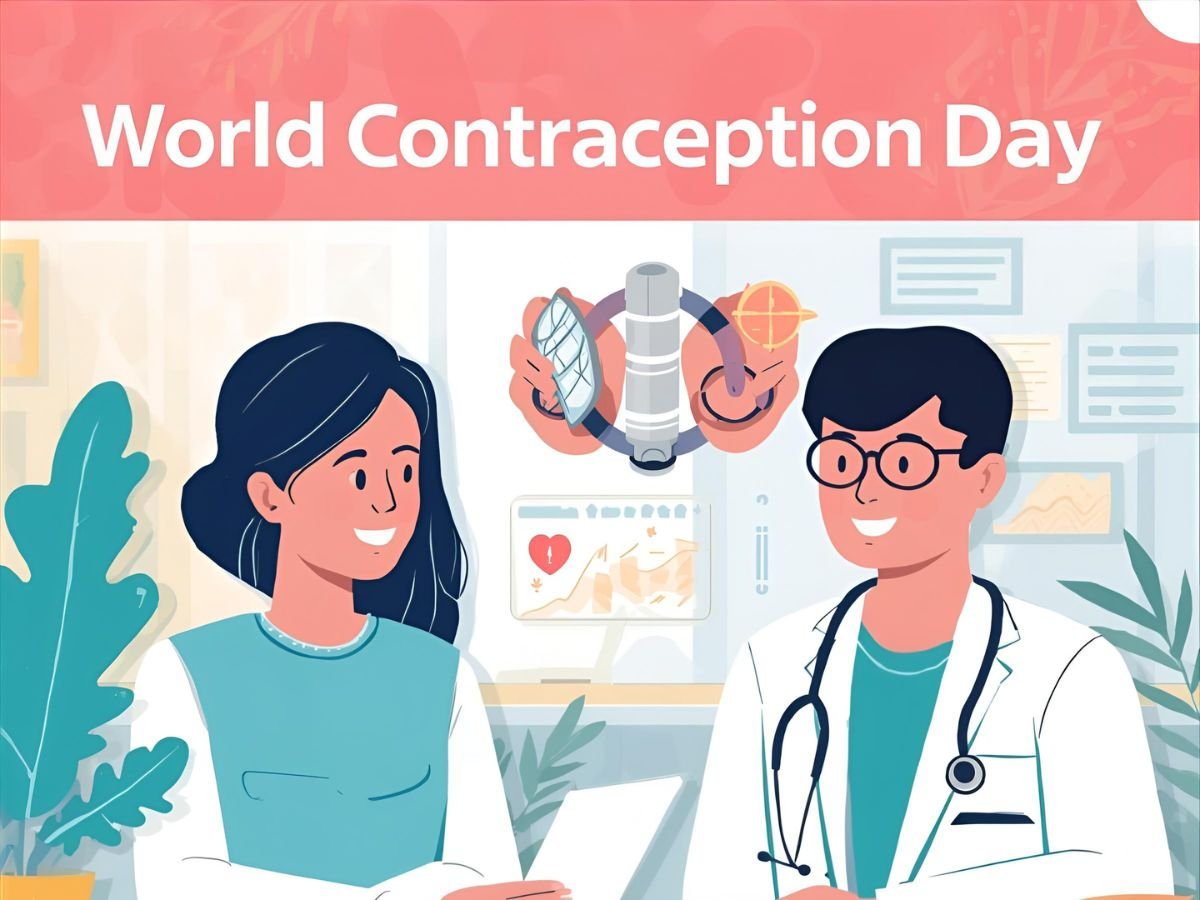
New Delhi, 25 September, 2025: “Family planning is not just about preventing pregnancy—it’s about protecting women’s health, empowering couples to make choices, and ensuring a healthier future for communities.” — Dr. A. Mehta, Gynecologist & Women’s Health Specialist.
Why This Year’s Message Feels Urgent
Every year on September 26, the world observes World Contraception Day. But in 2025, the message resonates louder. With rising concerns around maternal mortality, unplanned pregnancies, and the strain of rapid population growth on healthcare systems, experts warn that contraception can no longer be seen as optional—it’s essential.
Dr. R. Sharma, Senior Obstetrician, explains: “We still see too many young women coming to hospitals with high-risk pregnancies simply because they did not have access to reliable contraception. Education and awareness are as important as the pills or devices themselves.”
The Reality Behind the Numbers
- 214 million women worldwide still lack access to modern contraceptives.
- Unintended pregnancies remain a key driver of unsafe abortions.
- In countries like India, where cultural stigma still lingers, many couples hesitate to discuss birth control openly.
This silence, doctors warn, costs lives.
Breaking Down Modern Contraception in 2025
While pills and condoms remain the most widely used methods, healthcare in 2025 offers several safer, longer-lasting, and more effective options:
- Hormonal IUDs – Now lasting up to 8 years, with reduced side effects.
- Contraceptive implants – Small rods placed under the skin, offering up to 5 years of protection.
- Male contraceptive pill – Clinical trials are showing promise, making contraception no longer just “a woman’s responsibility.”
- Injectables – Monthly or quarterly shots, increasingly used in rural healthcare camps.
- Permanent methods – Safer surgical sterilization for couples who have completed their families.
“One myth we must break is that contraception harms fertility long-term. The truth is, once stopped, most methods allow a woman to conceive naturally within months,” says Dr. N. Iyer, Fertility Specialist.
The Hidden Health Benefits
Contraception isn’t only about birth control. Doctors highlight a wide range of medical benefits:
- Regulates irregular periods.
- Reduces painful cramps and anemia.
- Protects against certain cancers (ovarian and endometrial).
- Helps manage conditions like PCOS and endometriosis.
“For many women, contraception doubles as a treatment. It can change their quality of life—not just their family planning choices,” notes Dr. S. Banerjee, Endocrinologist.
Cultural Barriers Still Persist
Despite the medical evidence, contraception remains a taboo subject in many communities. Couples often rely on misinformation, which fuels fear.
- Some believe that pills cause permanent infertility.
- Others think IUDs “move around” inside the body.
- Many men still resist using condoms, leaving the burden on women.
Experts stress the importance of breaking the silence.
“We cannot achieve safe family planning if conversations stay behind closed doors. Schools, families, and healthcare systems must normalize talking about contraception,” says Dr. P. Menon, Public Health Expert.
A Doctor’s Advice for Couples in 2025
If you’re considering contraception, here’s what experts recommend:
- Get a personalized consultation. Not all methods suit everyone—age, lifestyle, and health conditions matter.
- Think long-term. If your family is complete, permanent solutions may be best.
- Don’t self-medicate. Over-the-counter pills may not always be safe without guidance.
- Involve both partners. Family planning works best when men share responsibility.
The Bigger Picture: Healthier Families, Healthier Nations
The benefits of safe contraception extend far beyond individual families. Experts agree that controlled population growth directly improves:
- Maternal and child health outcomes
- Economic stability
- Women’s empowerment and education
- National healthcare efficiency
As Dr. Mehta concludes: “Contraception is not just about preventing a child—it’s about giving every child born a better chance at health, education, and a future.”
Exclusive Angle Recap:
- Humanized tone with strong doctor quotes.
- Myth-busting and highlighting modern methods of 2025.
- Health benefits beyond contraception.
- Social and cultural impact for a gripping narrative.
World Contraception Day 2025 is a reminder that safe family planning is about more than preventing unplanned pregnancies—it’s about safeguarding women’s health, strengthening families, and building healthier societies. With modern options available, contraception is safer, more effective, and more accessible than ever before. But the real challenge lies in breaking cultural taboos, spreading awareness, and ensuring both men and women share responsibility.
As doctors emphasize, the choice of contraception should be guided by medical advice, tailored to individual needs, and embraced as a positive step toward empowerment. Ultimately, investing in family planning today means securing a healthier, more hopeful tomorrow.













Leave a comment