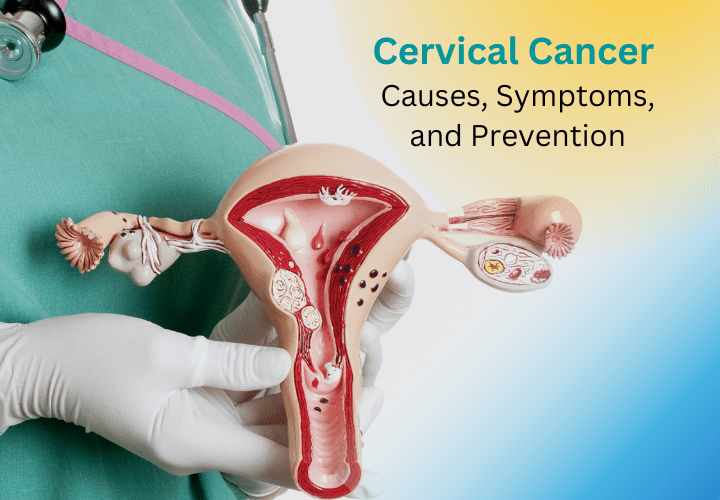
As the world observes World Cancer Day 2026 on February 4, oncologists are raising a critical alarm: cervical cancer, one of the most preventable cancers, continues to claim the lives of young women due to lack of awareness, delayed screening, and low vaccination uptake. Health experts warn that unless prevention efforts are strengthened, thousands of avoidable deaths will continue to occur every year.
What Is Cervical Cancer and Why Young Women Are at Risk
Cervical cancer is primarily caused by persistent infection with high-risk HPV (human papillomavirus) strains, a virus transmitted through sexual contact. Despite effective HPV vaccines and screening tests, cervical cancer remains a leading cause of cancer deaths among women worldwide.
Contrary to common perception, cervical cancer is increasingly affecting women in their late 20s and 30s. Factors like early marriage, early sexual activity, lack of vaccination, and irregular screening contribute to rising cases in this age group.
“This long progression period should make cervical cancer rare. Ignorance and stigma are closing that window for many young women,” says a senior oncologist.
Early Signs of Cervical Cancer Every Woman Should Know
Early detection is crucial. Symptoms of cervical cancer often include:
- Abnormal vaginal bleeding
- Bleeding after intercourse
- Persistent pelvic pain
- Unusual vaginal discharge
Many young women ignore these warning signs, mistaking them for minor gynaecological issues. By the time they seek care, the disease may have advanced, reducing treatment effectiveness.
HPV Vaccination: The Most Effective Cervical Cancer Prevention
The HPV vaccine is a life-saving tool that can prevent up to 90% of cervical cancers caused by HPV. Administered ideally between ages 9 and 14, the vaccine dramatically reduces the risk of developing cervical cancer later in life.
Unfortunately, misinformation, fear of side effects, and cultural taboos around sexual health have limited vaccine uptake in many regions. Experts emphasize that the HPV vaccine is safe, effective, and critical for cancer prevention.
“Skipping the HPV vaccine today could mean facing cervical cancer tomorrow,” warns an oncologist.
Cervical Cancer Screening Saves Lives
Regular screening through Pap smears or HPV testing can detect precancerous changes before cancer develops. Early detection allows simple outpatient procedures to prevent progression to invasive cancer.
Despite this, many women only seek screening after symptoms appear. Barriers include fear, embarrassment, limited awareness, and restricted access to healthcare. Experts advise starting screening in the mid-20s and following recommended intervals for maximum protection.
Global Strategies to Eliminate Cervical Cancer
The World Health Organization (WHO) has set targets to eliminate cervical cancer as a public health threat through:
- Vaccinating 90% of girls against HPV by age 15
- Screening 70% of women by age 35 and 45
- Ensuring 90% of women with precancer or cancer receive timely treatment
Achieving these goals requires community-level awareness, school-based education, and strong public health initiatives to reach young women globally.
World Cancer Day 2026: Take Action Against Cervical Cancer
Doctors, policymakers, and patient advocates emphasize: no woman should die from cervical cancer when prevention is possible. By investing in awareness, encouraging vaccination, and promoting routine screening, countless young lives can be saved.