

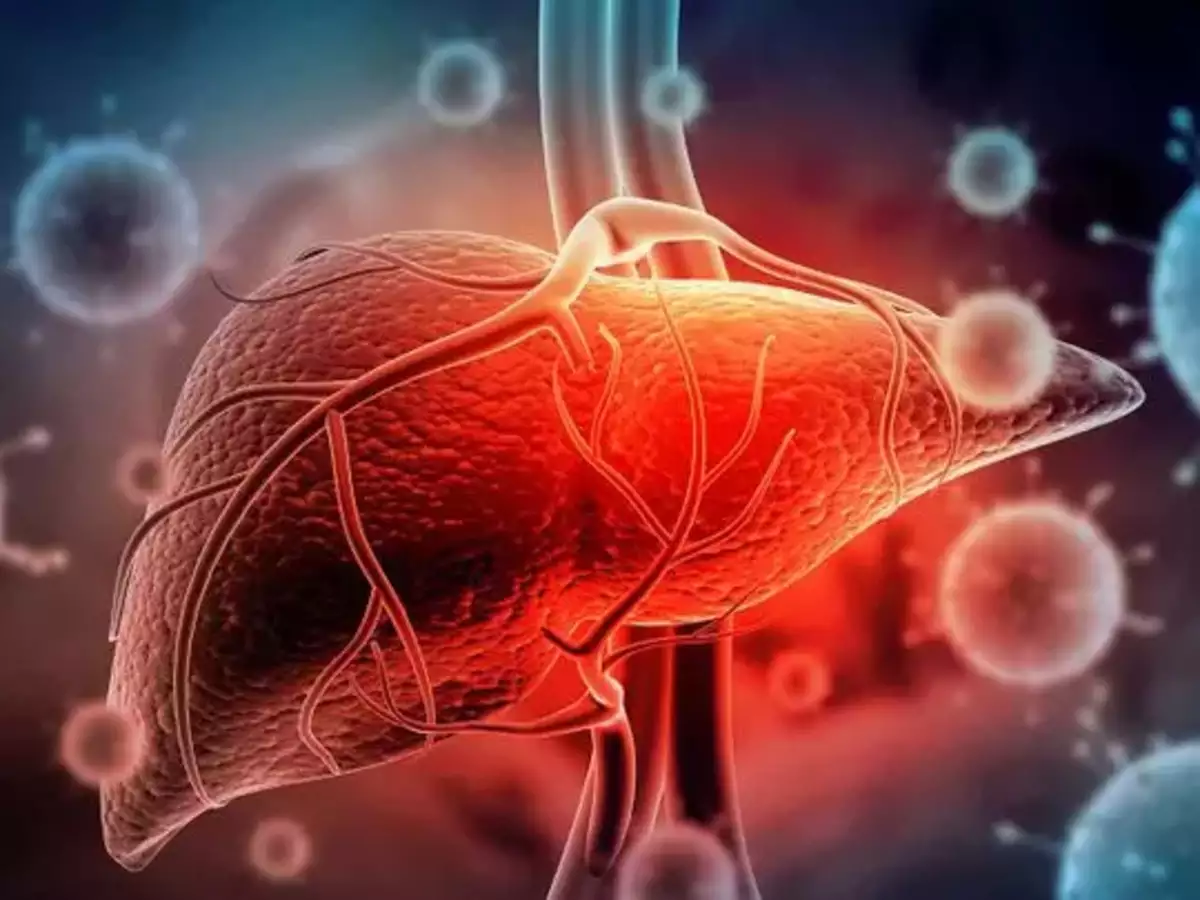
Fatty liver disease is becoming increasingly common worldwide, largely due to sedentary lifestyles, unhealthy diets, and rising rates of obesity and diabetes. Known medically as Nonalcoholic Fatty Liver Disease (NAFLD), the condition occurs when excess fat builds up in the liver. While small amounts of fat in the liver are normal, too much can lead to inflammation and long-term liver damage.
Experts warn that fatty liver often develops silently, meaning many people may have the condition without realizing it. If left untreated, it can progress to serious complications such as Liver Cirrhosis or even Liver Cancer. Recognising early warning signs is crucial for timely treatment and lifestyle changes.
Here are seven early symptoms of fatty liver disease that should never be ignored.
1. Persistent fatigue
One of the most common but overlooked symptoms of fatty liver disease is constant tiredness. People with fatty liver may feel unusually exhausted even after getting adequate sleep. This happens because the liver plays a key role in metabolism and energy production. When it becomes overloaded with fat, the body’s energy levels can drop significantly.
2. Pain or discomfort in the upper right abdomen
The liver is located in the upper right side of the abdomen. Individuals with fatty liver disease may experience mild pain, pressure, or discomfort in this area. The sensation can feel like a dull ache and may worsen after eating heavy or fatty meals.
3. Unexplained weight gain
Sudden or gradual weight gain, particularly around the abdomen, may signal underlying metabolic problems linked to fatty liver disease. Excess body fat, especially visceral fat, increases the risk of fat accumulation in the liver.
4. Loss of appetite
A reduced appetite or feeling full quickly may also indicate liver stress. When the liver is inflamed or enlarged due to fat accumulation, digestion and appetite signals can be disrupted.
5. Nausea or digestive problems
Frequent nausea, bloating, or indigestion can sometimes be early indicators of liver dysfunction. The liver plays a vital role in processing nutrients and detoxifying harmful substances. When its function is compromised, digestive discomfort may occur.
6. Dark patches on the skin
Dark, velvety patches of skin—especially around the neck, armpits, or groin—can be a sign of Insulin Resistance, a condition strongly linked to fatty liver disease. These patches, medically called acanthosis nigricans, may indicate metabolic imbalance and increased risk of liver fat buildup.
7. Yellowing of skin or eyes
In more advanced stages, fatty liver disease can lead to Jaundice, where the skin and whites of the eyes appear yellowish. This happens when the liver struggles to process bilirubin, a waste product in the blood.
What increases the risk?
Doctors say several factors can increase the risk of developing fatty liver disease, including obesity, high cholesterol, type 2 diabetes, poor diet, and lack of physical activity. Diets high in processed foods, sugary drinks, and saturated fats are particularly linked to the condition.
How to protect your liver
The good news is that fatty liver disease is often reversible in its early stages. Health experts recommend maintaining a healthy weight, exercising regularly, reducing sugar intake, and following a balanced diet rich in fruits, vegetables, whole grains, and lean proteins.
Regular health check-ups and liver function tests can also help detect the condition early.
As fatty liver disease continues to rise globally, recognising these early warning signs can help individuals take preventive steps and protect their liver health before serious complications develop.















Leave a comment