


There is a serious concern when it comes to having shortness of breath which is also called as dyspnea in medical language especially if it persists or worsens over time, and there can be various reasons for that; however, this usually indicates the presence of underlying heart issues. It is essential to understand the relationship between shortness of breath and cardiovascular health for early intervention and effective control.
The presence of dyspnea may indicate heart problems because the major function of the heart involves pumping oxygenated blood all over the body tissues. When there is inadequate supply of blood by the heart due to inefficiency in its pumping action other vital organs such as lungs might not get enough oxygen. Consequently, people’s bodies may respond by breathing too fast or struggling to breathe.
Shortness of breath can be caused by several heart conditions:
• Heart Failure: When the heart’s ability to pump blood declines, fluid can accumulate in other tissues and lungs thereby causing pulmonary edema. This fluid build-up can obstruct normal respiration especially during sleep or exercise.
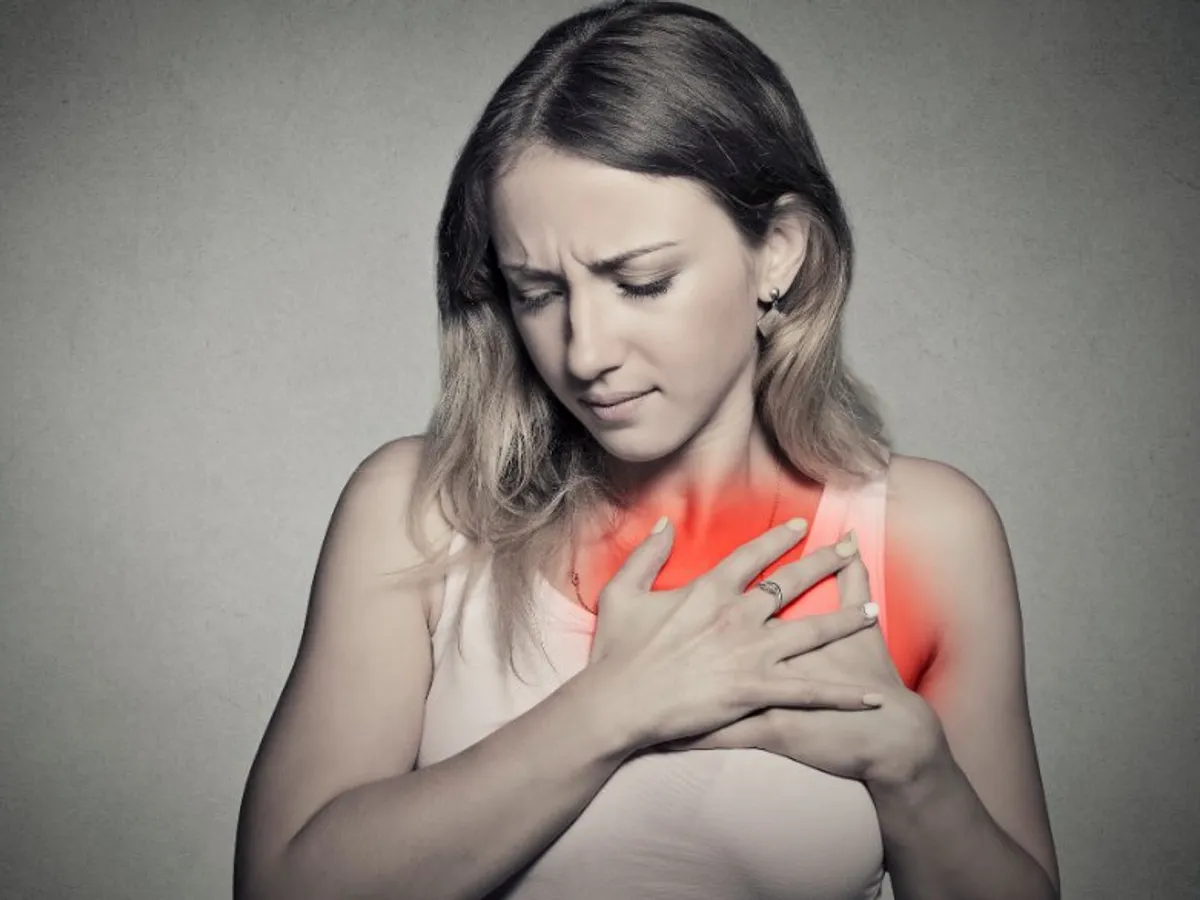
• Coronary Artery Disease (CAD): Plaque formation reduces the diameter of coronary arteries that supply oxygenated blood to cardiac muscles, leading to angina pectoris. Insufficient oxygen delivery to the myocardium may cause breathlessness and chest pain, especially on exertion requiring more oxygen.
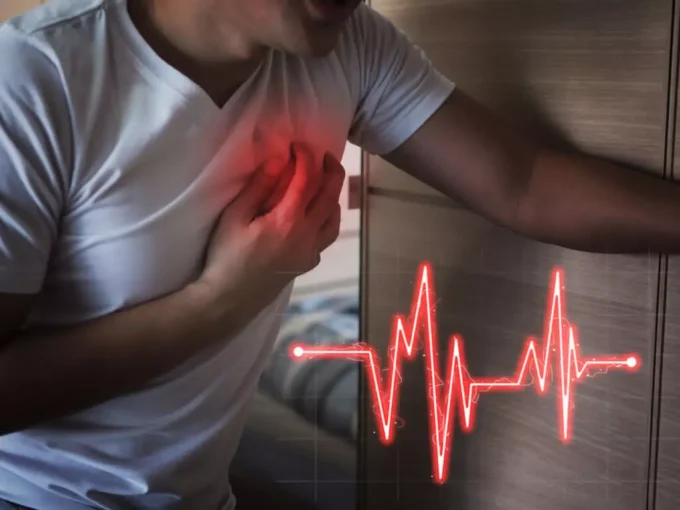
• Arrhythmias: Abnormal heart rhythms including atrial fibrillation (AFib) and ventricular tachycardia can impair effective pumping action of the heart. Onset of dyspnea, palpitation, chest pain even at rest may result due to this condition.
• Disorder of the heart valve: Diseases such as aortic stenosis or mitral regurgitation may affect these valves and interfere with blood flow within the chambers of the heart. This disturbance of the flow of blood might cause fatigue, chest tightness or shortness in breath.
• Cardiomyopathy: These conditions are known to be slow and get hold of the myocardium, which weakens its ability to pump blood. Less effective heart function may lead to dyspnoea especially during exertion.
Once you have got continuous or even increasing breathlessness it is important that you seek advice from a medical practitioner who can treat your potential heart condition before it gets worse. For this reason, an on-time examination by an expert in health care is vital for proper diagnosis and management. Heart’s functioning may be assessed as well as any deviations found through such diagnostic procedures like; cardiac catheterization, echocardiography, stress testing and electrocardiography (ECG/EKG).
The available therapies for heart-related dyspnea depend on the cause. Such may consist of medicines (like ACE inhibitors, beta-blockers or diuretics), nutritional and activity changes and, occasionally, operations (such as valve substitution, or coronary artery bypass graft).
Although dyspnea is capable of functioning as an early sign of different heart disorders comprising cardiomyopathy, valvular heart disease, arrythmias, heart failure and coronary artery disease in a nutshell, it serves as an early sign that all is not well with the cardiac activities. It is important to immediately respond by inviting a medic to prevent things from getting out hand if you notice that you are experiencing shortness of breath due to heart complications. The moment you realize that you have worrying or continuous symptoms; do not delay in finding a doctor since it is only through this that proper evaluation and care can be initiated.










Leave a comment