

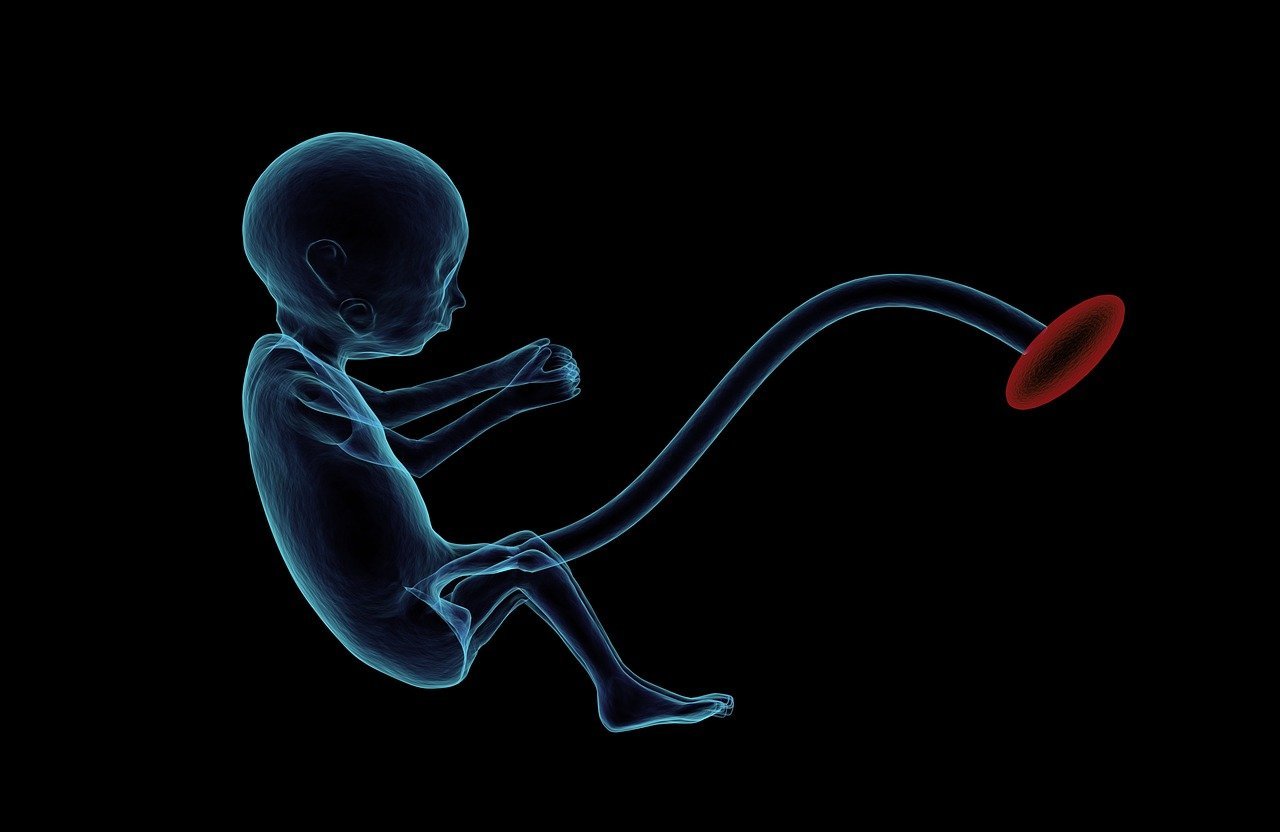
Pregnancy is a time of deep change and development not only for the woman who is carrying a child but also for the unborn baby inside her womb. Consequently, out of so many that are vital during pregnancy Omega-3 unsaturated fatty acids appear as superheroes taking the lead in developing a brain, visual organs and nervous system of an embryo.
Omega-3 fatty acids are a form of polyunsaturated fat which can be found in various foods; the biggest reserves lie in fatty fish including salmon, mackerel, and sardines, flax seeds, chai seeds as well as walnuts. The three primary classes of omega-3 fatty acids include alpha-linoleic acid (ALA), eicosapentaenoic acid (EPA), and docosahexaenoic acid (DHA). DHA is of special significance to the growth of a fetus.
- Brain development is highly focused on two areas where this compound is most found; within brains and retinas – this implies that during pregnancy it supports fetal brains greatly by travelling through the placenta which results in an increased size of such brains as well as growth rate of fetal nervous systems. The adequate intake by mothers themselves helps them achieve astuteness levels which are significant than when they lack consuming it well enough made possible through their eating habits.
- Eye Health: DHA as well as brain development is said to play an important function in the growth of the fetal retina. Clinical evidences show that omega-3 containing fats taken by mother can prevent eyesight complications hence ensuring a child enjoys strong eyesight thanks to the presence of DHA; Researchers have claimed that pregnant women who eat foods high in this kind of fat have reduced chances for early eye disorders among their newborns.
- Reduced Chances of Delivering early: Consuming omega-3 fatty acids may lower the chances of delivering a premature baby with low weight baby. Studies have shown that pregnant women may be less likely to deliver their babies prematurely if they consume enough amounts of omega-3 fatty acids leading to favorable outcomes for both mother and child.
- During Pregnancy, Omega-3 fatty acids have more uses besides fetal growth. They aid in reducing inflammation and hence lower blood pressure; they also help maintain heart health supporting systems, and as such are necessary during the physiological alterations in the body that occur when one is pregnant.
- Postpartum Mental Health: Studies suggest that consuming enough omega-3 fatty acids in pregnancy could reduce the chances of suffering from postnatal depression. Moreover, it appears that DHA has a part in mood control and hence may promote emotional stability during the postpartum period.
To ensure that there is enough Omega-3 fatty acids taken into your body when a woman is pregnant, it is very possible for her to use balanced diet having fatty fish, flaxseeds, chia seeds, and walnuts or she may use supplementary where the diet is insufficient but before embarking on any kind of new drugs during pregnancy, it is important for women to first seek advice from their healthcare providers so as know the right quantity that should be taken.
To cap it all, omega-3 fatty acids play a vital role in fetal development with particular emphasis on the development of eyes and the brain hence reducing chances of preterm labor as well as supporting maternal health before birth while contributing towards the postnatal mental health aid. Omega-3 rich foods should therefore be prioritized among others when expecting a child as this will not only keep the pregnant women strong but also aid the growth of their babies thereby laying a foundation for good health forever.













Leave a comment